
Finca in Deià: Living between olive groves and a rugged coast
Wednesday morning begins with the clatter of crockery on the Plaça de la Constitució, where the weekly market is setting up its stalls while somewhere a church bell rings against the mountain. It is precisely at this moment, between olive oil stalls and neighbours greeting one another over their shopping, that it becomes clear why people choose a finca in Deià rather than an apartment on the main road. Up here, in the steep lanes with natural stone walls and green shutters, time moves differently. Anyone strolling through the old town centre will find narrow passageways and staircases and may not be able to explain why musicians and artists of all people have made this spot their home for decades, yet somehow understands it all the same. The village lives from olive oil, small galleries and a gastronomy that ranges between Mallorcan cuisine and upscale hotel restaurants. At the same time, hillside locations with wide-ranging views and longer access roads are part of everyday life, as are winding roads that set the pace. For some, this is pure tranquillity; for others, it is a challenge with a pram or wheeled suitcase. Both are true, depending on exactly where you live and how much difference in elevation you are willing to accept. Those who embrace it find a place that is neither a backdrop nor a museum, but a village where people live, cook and sell while visitors pass through with open eyes. It is precisely this blend of everyday life and retreat that makes Deià a place where finca accommodation does not feel like a stopover, but rather like a starting point for days spent between coastal paths, market visits and quiet views. The following sections show where these days can lead.
We currently have no accommodation in Deià
These properties across Mallorca may suit you.
11 properties found11 Holiday rentals in Mallorca
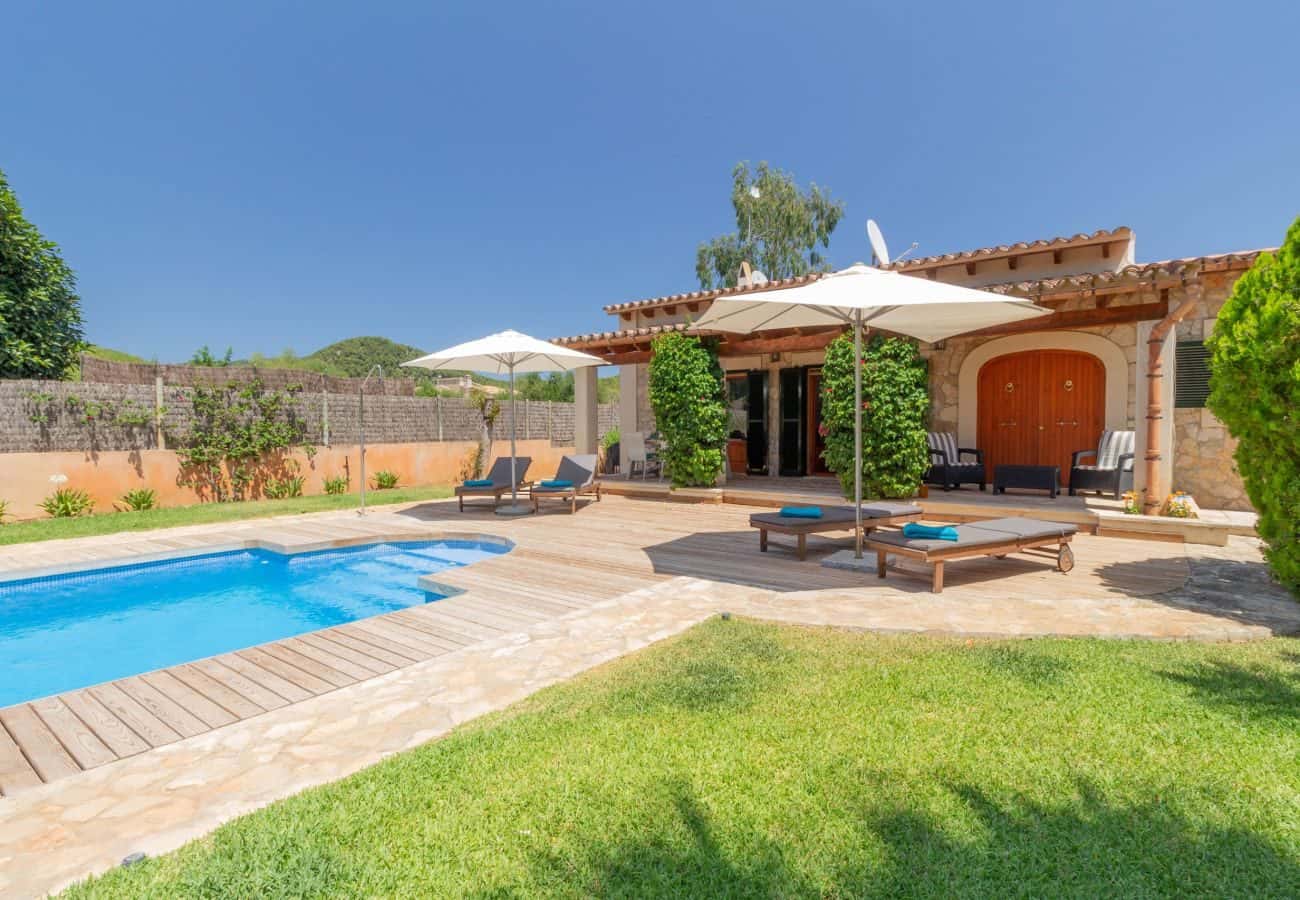
Vista Verde
near Pollença (North)
- 6 guests
- 3 bedrooms
- 3 bathrooms
Registration no.: ETV/4875
per night
€221.14 – €574.96
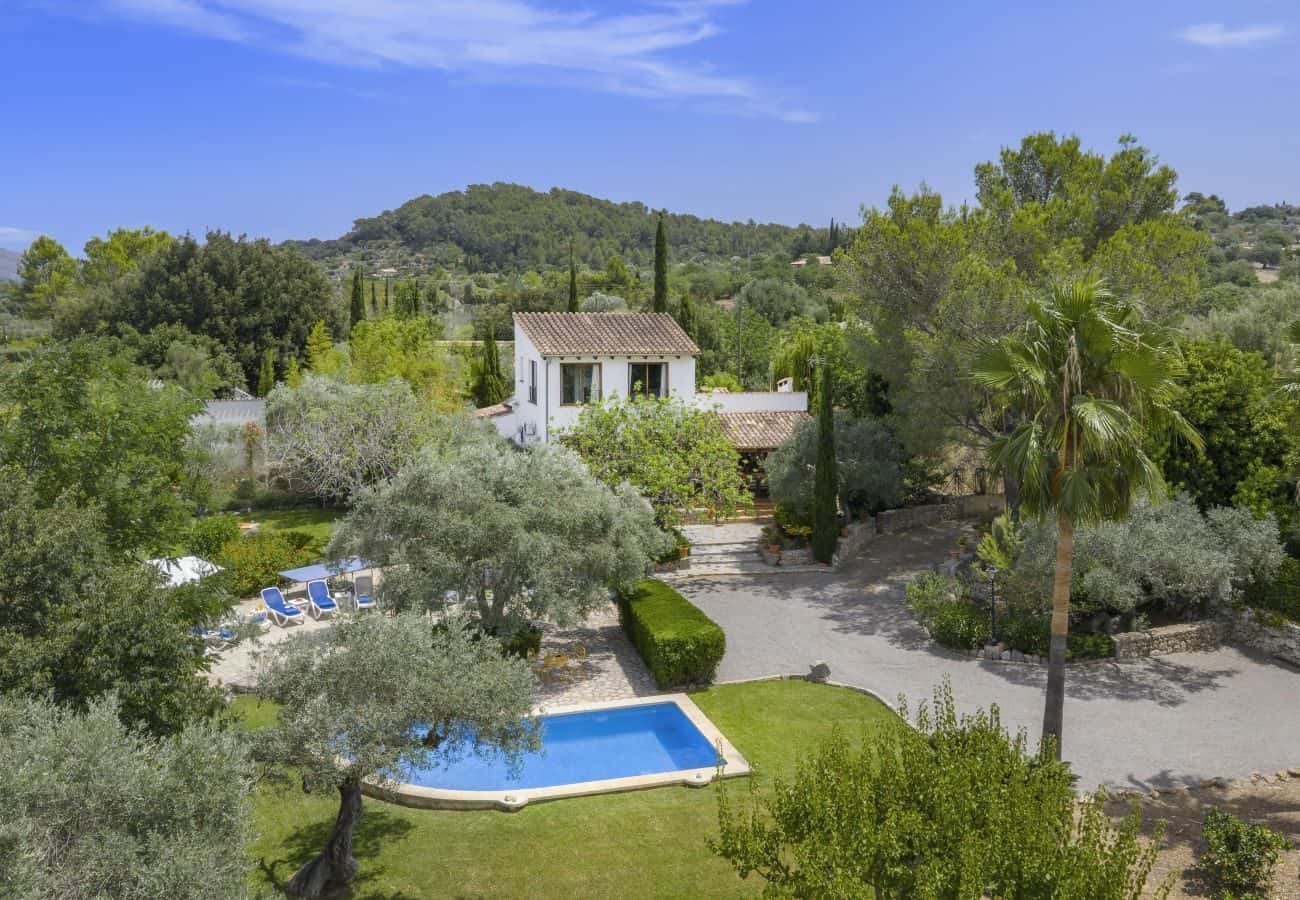
Cal Perdiu Vell
near Pollença (North)
- 6 guests
- 3 bedrooms
- 3 bathrooms
Registration no.: ETV/8616
per night
€252.11 – €671.42
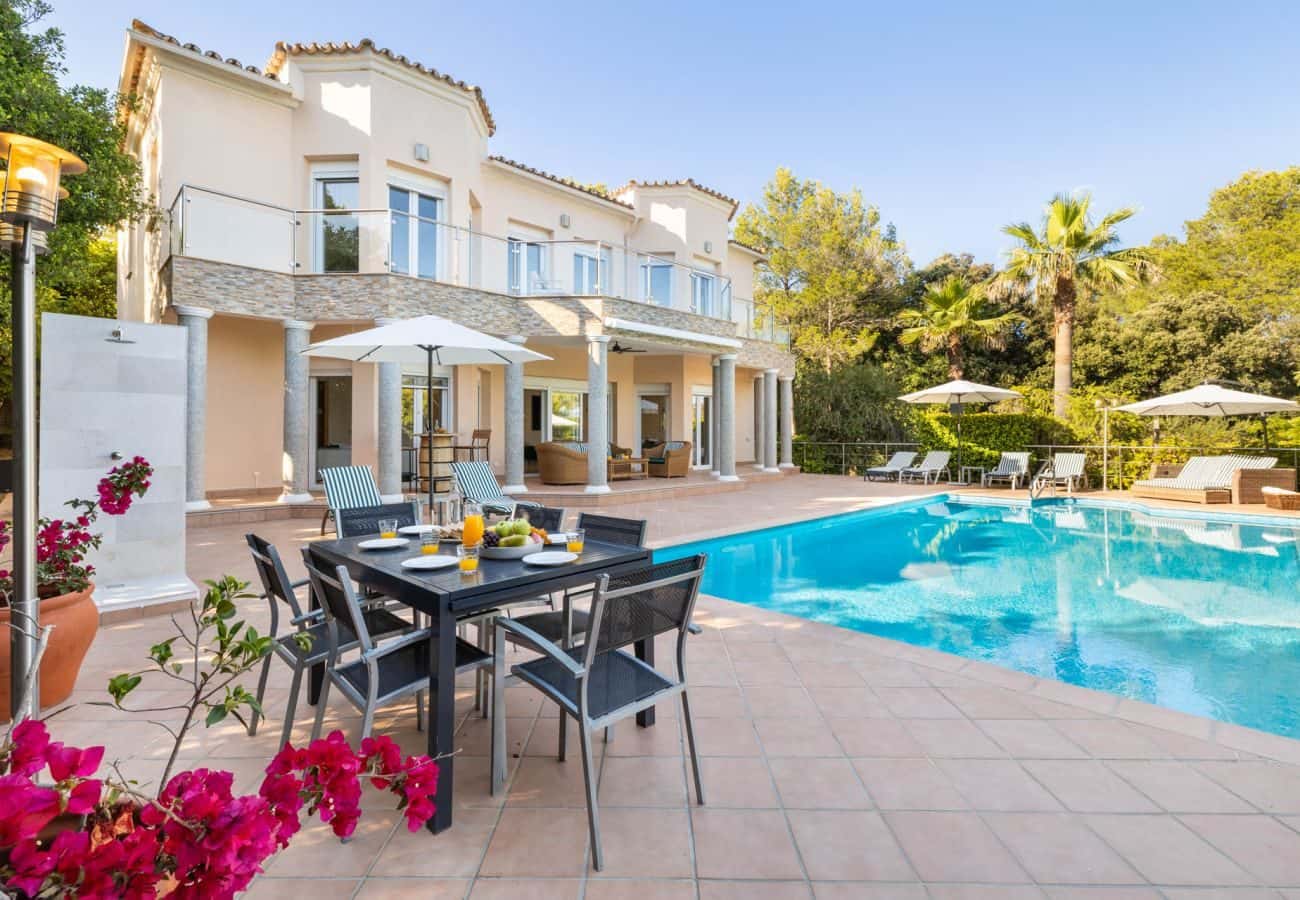
Villa Verde Subach
near Pollença (North)
- 8 guests
- 4 bedrooms
- 5 bathrooms
Registration no.: ETV/10057
per night
€336.13 – €886.55
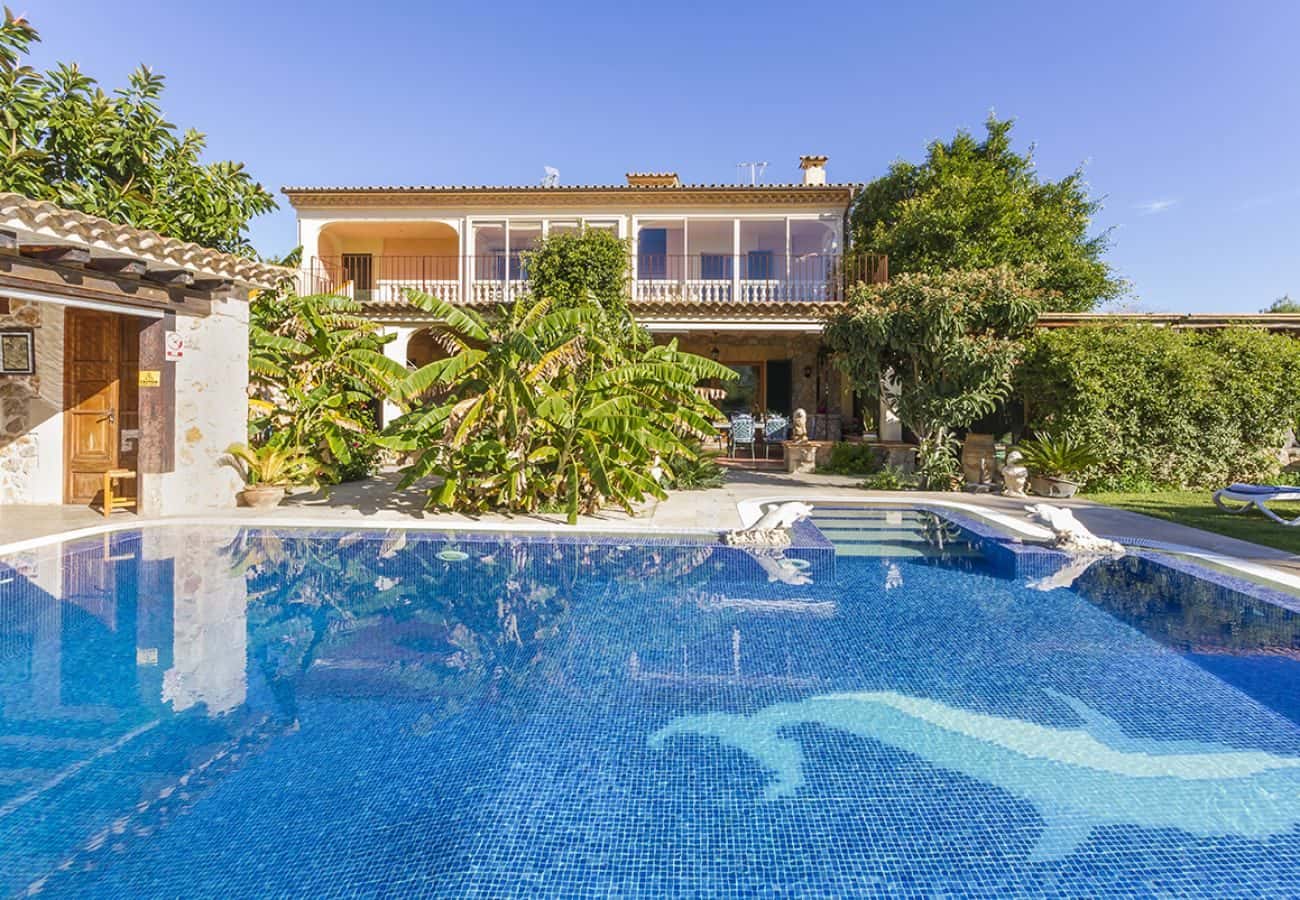
Can Josep
near Pollença (North)
- 8 guests
- 4 bedrooms
- 4 bathrooms
Registration no.: ETV/2445
per night
€423.98 – €878.25
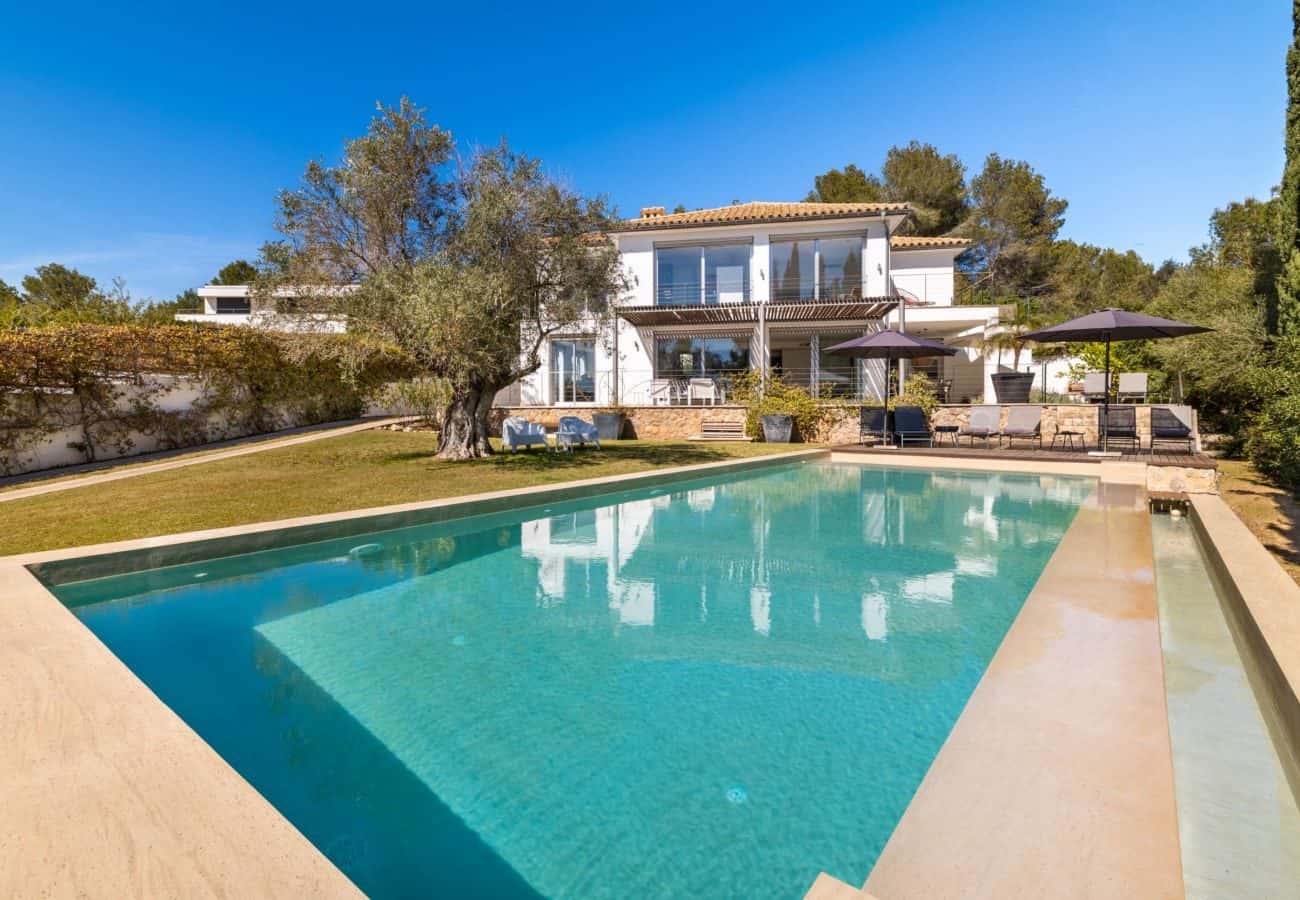
Villa Vista
near Pollença (North)
- 8 guests
- 4 bedrooms
- 4 bathrooms
Registration no.: ETV/10049
per night
€450.42 – €1,029.41
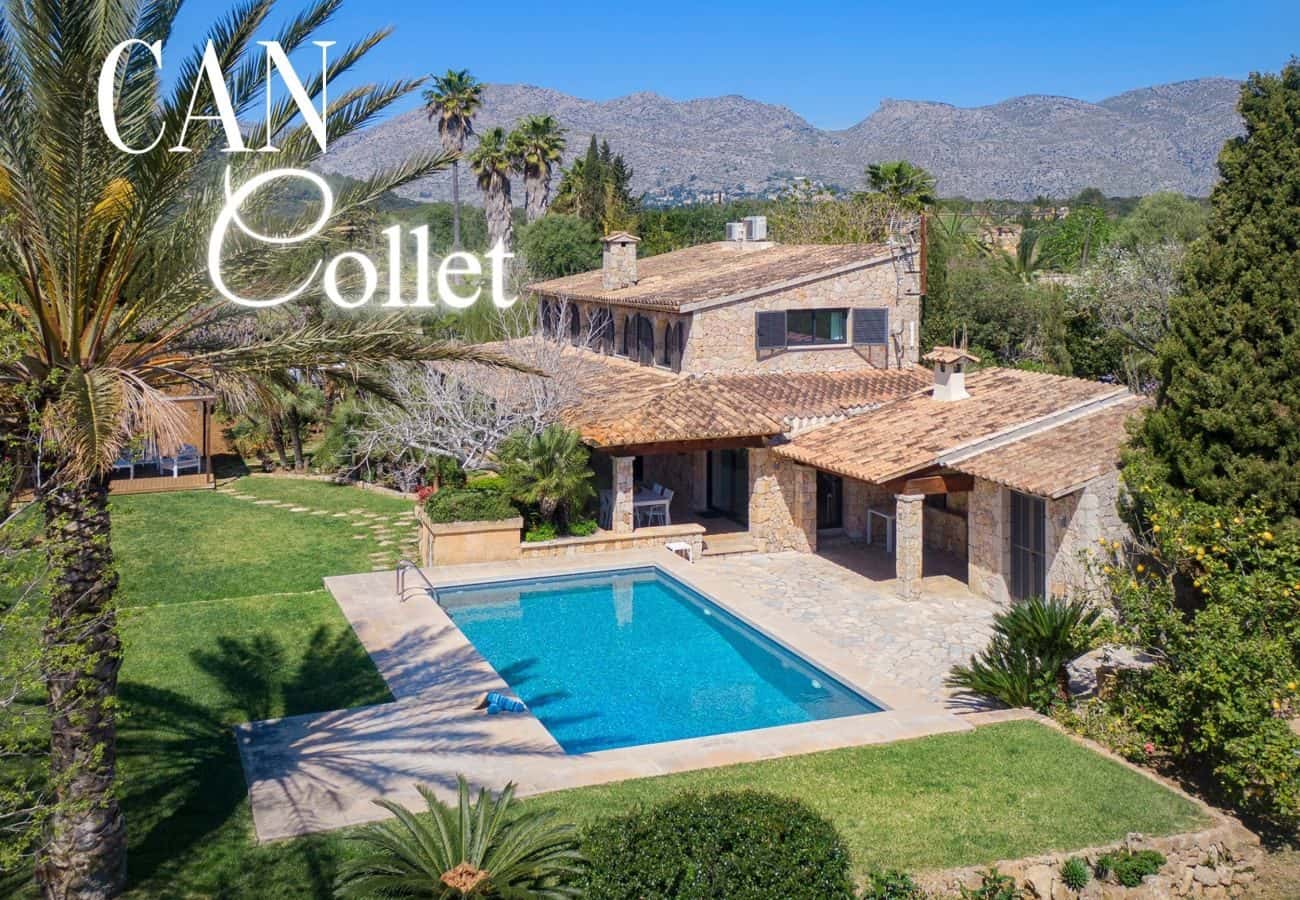
Can Collet
near Pollença (North)
- 6 guests
- 3 bedrooms
- 2 bathrooms
Registration no.: ETV/11408
per night
€478.99 – €1,260.51
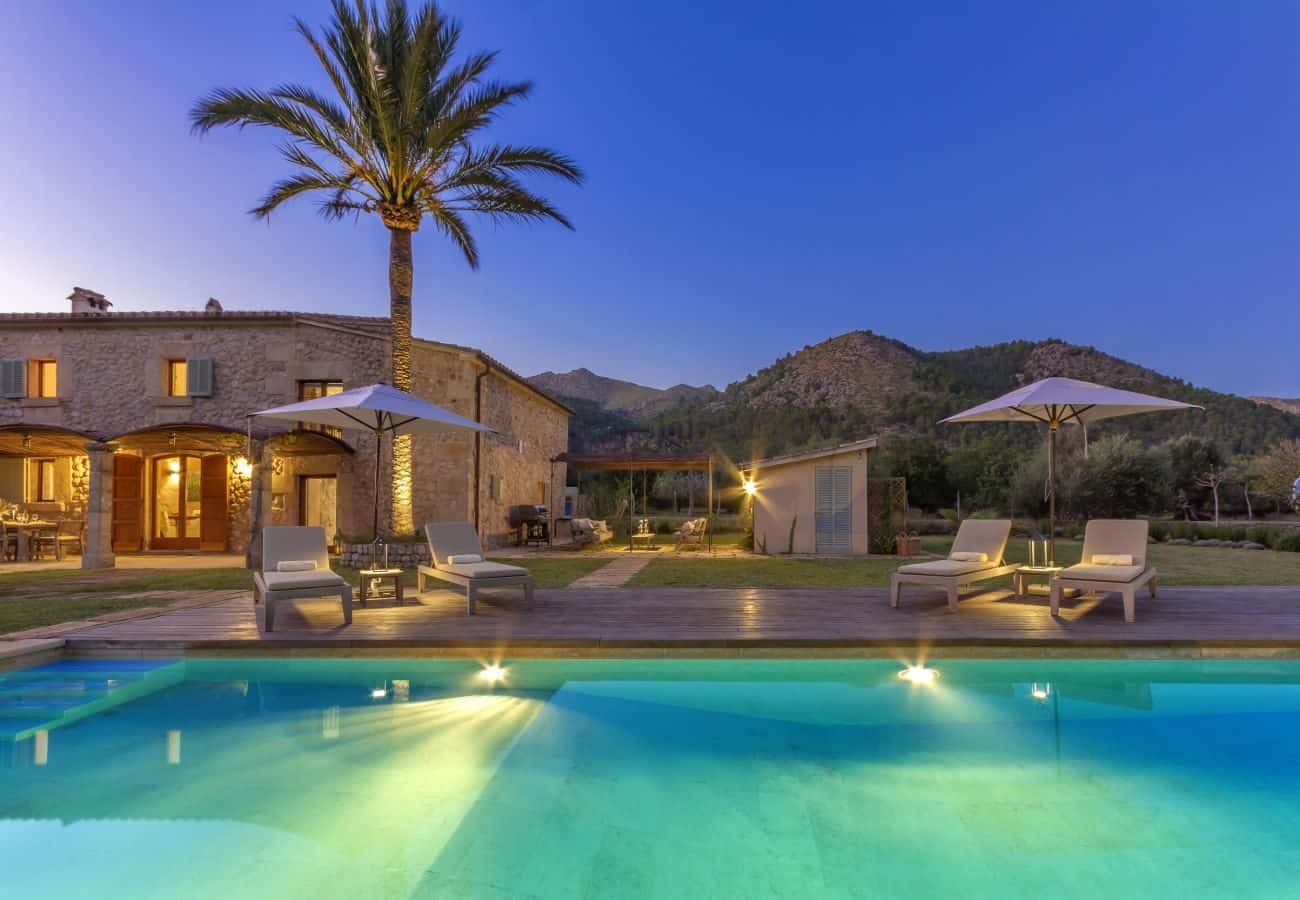
Can Pau
near Pollença (North)
- 8 guests
- 4 bedrooms
- 4 bathrooms
Registration no.: ETV/11866
per night
€533.61 – €1,260.51
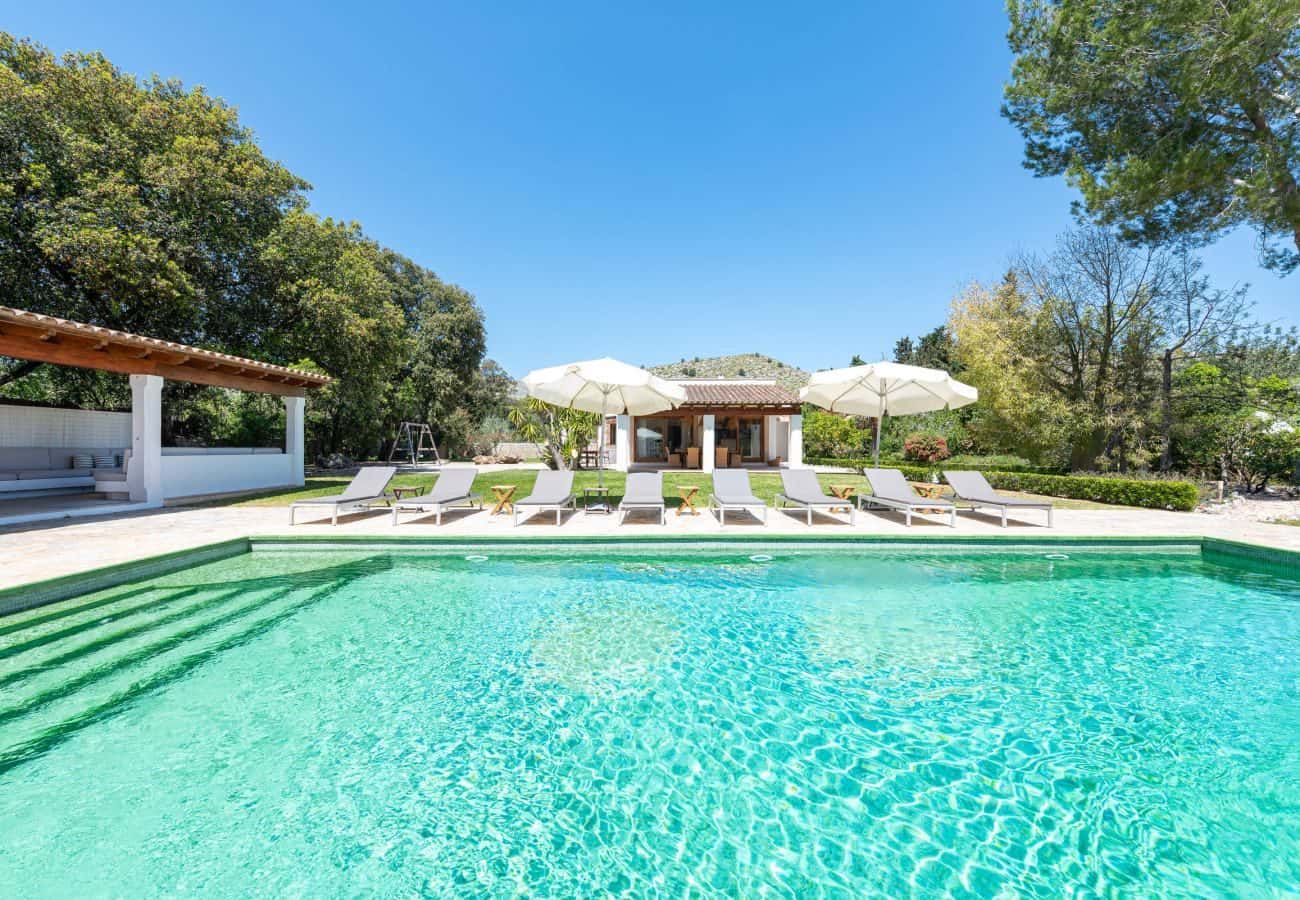
Cal Rei Gran
near Pollença (North)
- 12 guests
- 5 bedrooms
- 5 bathrooms
Registration no.: ETV/2637
per night
€714.28 – €1,806.72
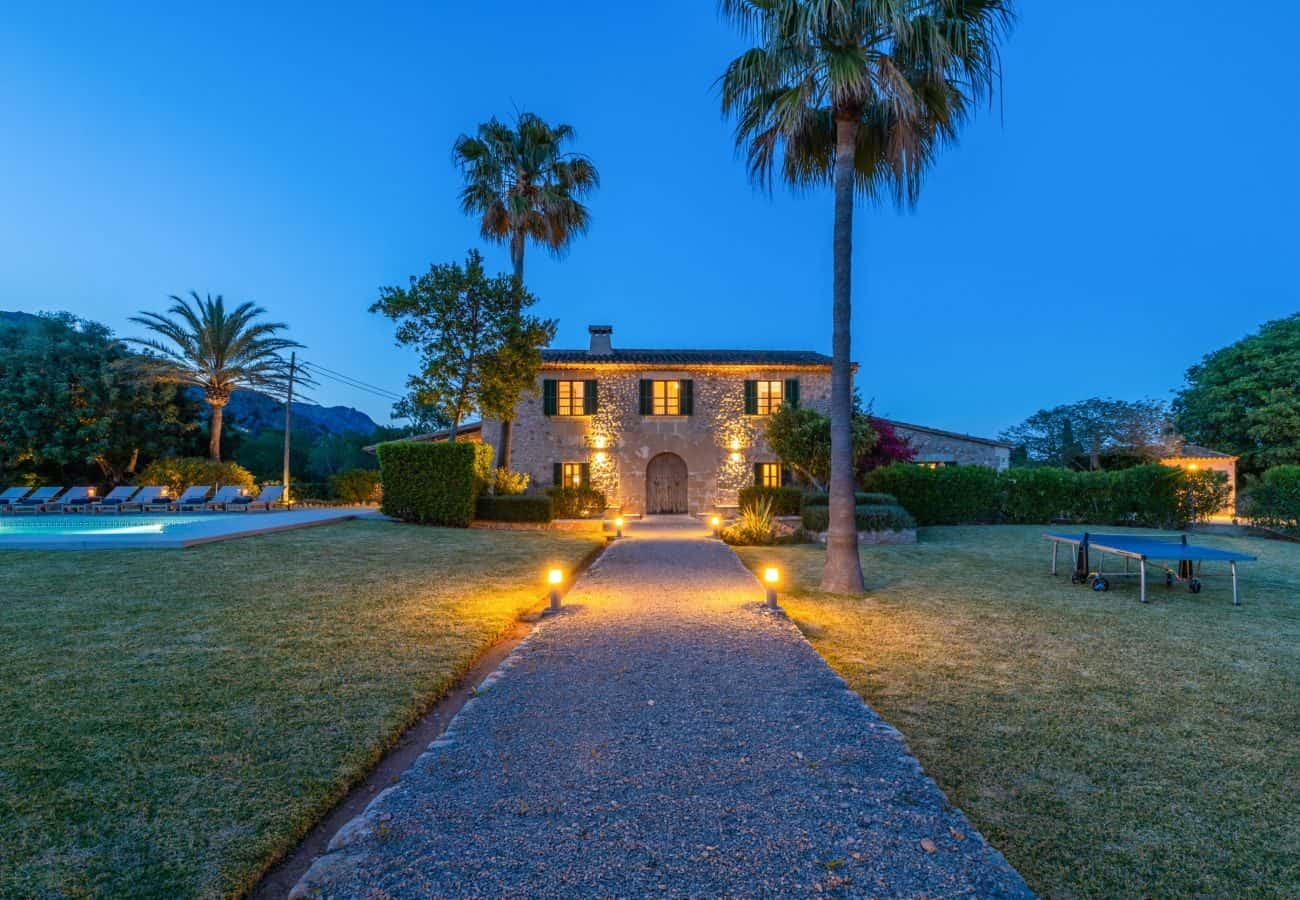
Can Corme
near Pollença (North)
- 10 guests
- 5 bedrooms
- 5 bathrooms
Registration no.: ETV/4866
per night
€1,075.64 – €2,008.40
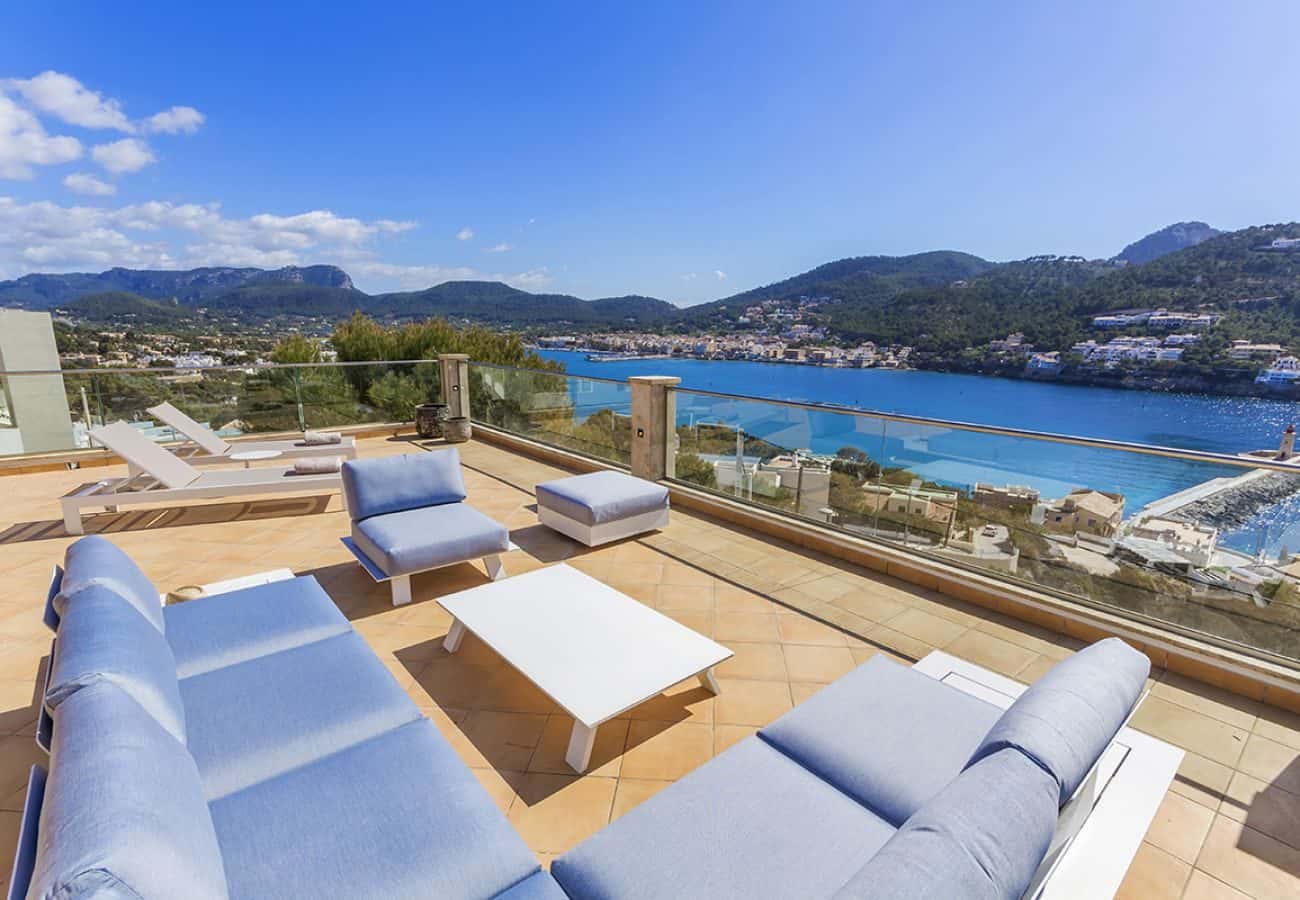
Villa Views Port Andratx
near Andratx (West)
- 7 guests
- 4 bedrooms
- 3 bathrooms
Registration no.: ETV/9286
per night
€1,176.47 – €1,848.74
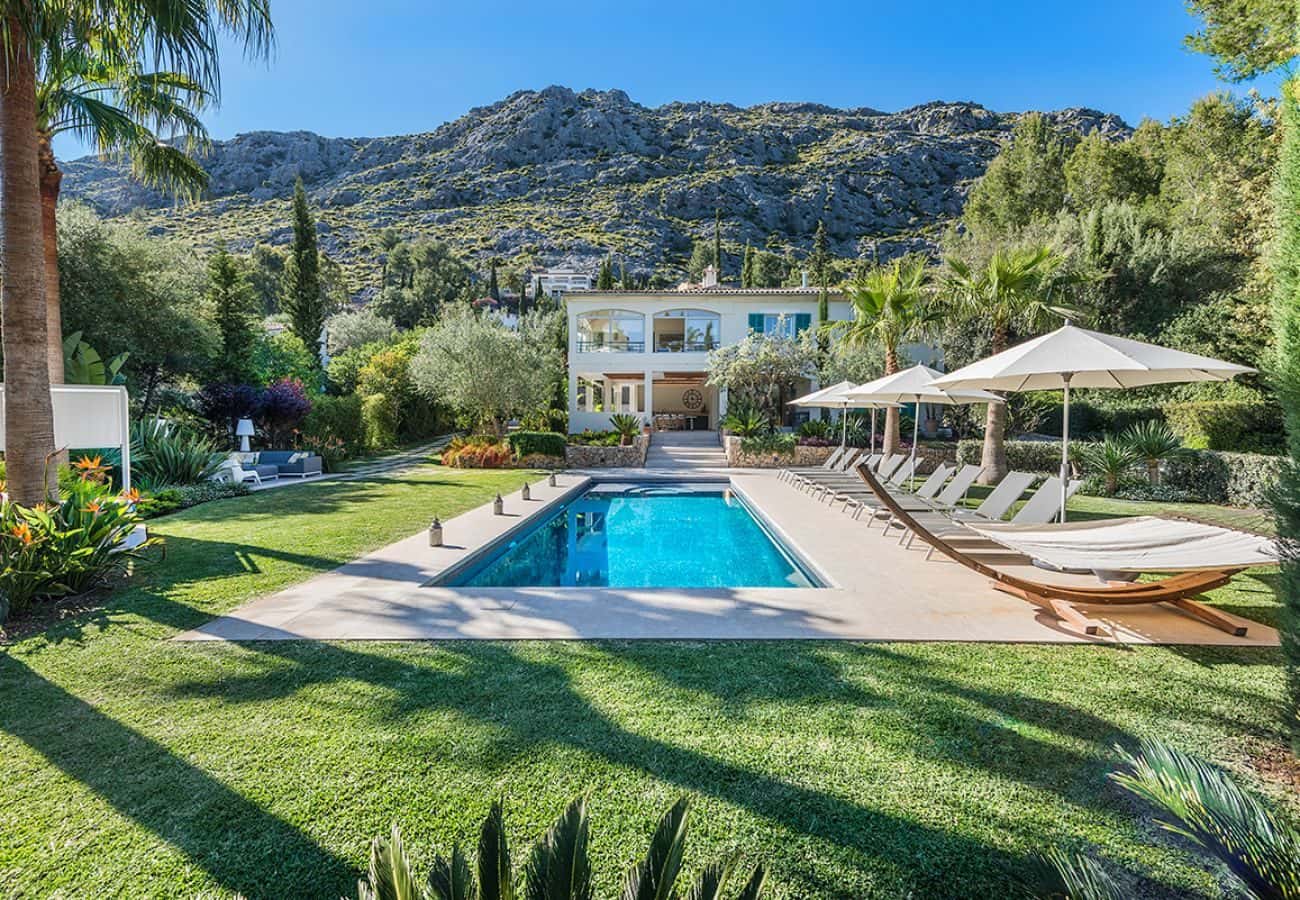
Villa Longa
near Pollença (North)
- 10 guests
- 5 bedrooms
- 5 bathrooms
Registration no.: ETV/312
per night
€1,310.93 – €1,899.16
There are currently no holiday homes listed here for Deià.
Deià at a glance
Weather

21.3 °C
Partly cloudy
Hourly forecast

12 °C
12%

11.7 °C
29%

15.6 °C
23%
12.6 °C
30%
12.8 °C
31%
16.2 °C
24%
14.1 °C
26%

17.9 °C
17%

20 °C
9%
21.1 °C
4%
21.7 °C
10%
21.2 °C
6%
21.7 °C
7%
21.3 °C
3%
- Next hour

20.5 °C
2%
19.3 °C
2%
14.7 °C
4%
16.5 °C
5%
14.4 °C
3%
14.8 °C
2%

15.8 °C
7%
14.4 °C
3%
Forecast for the coming days
Sunday
Sunny07:1017:568%21.7°11.7°Monday
Overcast07:1117:5510%22.5°13.4°Tuesday
Sunny07:1217:538%23.1°13.3°Wednesday
Overcast07:1317:5227%21.4°13.9°Thursday
 Patchy rain nearby07:1417:5159%21.2°13.3°
Friday
Patchy rain nearby07:1517:5056%20.4°13.7°Saturday
Sunny07:1717:4812%19.9°14.9°Sunday
Patchy rain nearby07:1817:4726%18.9°13.8°Monday
Patchy rain nearby07:1917:4642%17.6°12.6°Tuesday
Patchy rain nearby07:2017:4557%18.2°12°Wednesday
Partly cloudy07:2117:4415%16.9°12.3°Thursday
Patchy rain nearby07:2217:4357%16.6°12.2°Friday
Patchy rain nearby07:2317:4245%17.9°11.9°Saturday
Sunny07:2417:419%18.4°12.7°
Updated: 10/25/26, 2:18 PM
Weather information without guarantee. For safety-critical decisions, consult official weather services.
Island-wide climate averages · October
Palma Airport reference station (AEMET, 1991-2020)
Sea temperature source: Puertos del Estado / Copernicus Marine Service · Bay of Palma · 2003-2022
Getting there at a glance
Palma airport
34.6 km by road · 50 min
Deià
- Hire car or taxi
- 50 min via Ma-15 / Ma-20
- Scheduled bus
- 203
Bus lines
| Line | Route | Departures/day | First (Mon–Fri) | Last (Mon–Fri) |
|---|---|---|---|---|
| 203 | Valldemossa / Deià | 429 | 06:29 | 22:47 |
From official GTFS timetable data (TIB/SFM), without real-time information. Figures count stops within 1 km in the limited timetable dataset, not trips per operating day.
Places nearby
Straight-line distance from the town centre
- Port de Valldemosa (Es Port) · 2.0 km
- Valldemossa · 4.8 km
- Es Nogueral · 5.2 km
- L'Horta · 5.9 km
- Sóller · 6.2 km
- El Port (Port de Sóller) · 6.6 km
Nearby
Straight-line distance from the town centre
Beaches
- Cala Deia · 1.6 km
- Es Canyeret · 2.2 km
- Ses Canyes · 2.2 km
- Can Repic · 5.9 km
- Es Port de Valldemossa · 6.1 km
- Marina · 6.1 km
Sights
- Museu Arqueològic de Deià · 0.1 km
- Robert Graves · 0.6 km
- Mirador des Galliner · 1.7 km
- Cingle d'en Visc · 1.8 km
- Mirador de sa Foradada · 1.8 km
- Son Marroig · 1.9 km
Weekly markets
- Weekly Market in Deià · Wednesday · 09:00-13:00
Upcoming dates
- Blacklight painting workshop
- Movicanto classes
- Movicanto
- Movicanto classes
- Movicanto
- Movicanto courses
- Movicanto
- Movicanto courses
- Movicanto
- Book club
Map
Your finca in Deià between olive groves and the sea
Anyone wandering through the lanes of Deià in the late afternoon can practically see the light clinging to the natural-stone walls – a warm golden hue settling over the tightly clustered houses of the historic village centre. This very image makes it clear why a holiday home in Deià, Mallorca, becomes a dream destination for so many: the village lies on the northwest coast, nestled in the Serra de Tramuntana, with a layout of steep paths and natural-stone houses closely nestled against the lanes. Those who choose a finca in Deià stay amid this centuries-old setting, just a few steps from the small exhibition spaces scattered across the village centre, where local art is displayed.
Deià once owed its prosperity to olive oil, and traces of this past still shape the appearance of the surrounding terraced slopes today. Later, the village attracted musicians and artists who lived and worked here – an atmosphere that still gives the village something distinctive, which cannot be explained by the cobbled lanes alone. Those wishing to explore beyond the familiar spots will find, via the Cingle d'en Visc, access to a very different side of Deià, far removed from the artists' stories with which the village is otherwise associated. My tip: in the early evening, when day visitors gradually head towards the coast or down into the valley, the village centre feels especially peaceful – a good time for a leisurely walk.
There are also two very different residential settings outside the centre: those choosing a location on the slope above the village or in the direction of Cala must expect longer access roads and greater changes in elevation – but in return, the view often opens up far beyond the roofs and terraces all the way to the sea. To the northeast lies Sóller with its broader valley, and the two places even share part of their municipal boundary; to the southwest lies Valldemossa on the same Tramuntana axis, likewise a direct neighbour with a shared boundary. Both invite you to spend a day exploring, each with its own character, if you feel like leaving the valley for a few hours. Precisely because Deià is so multifaceted – village centre, hillside location, coastal direction – it is worth looking carefully when choosing your accommodation to see which location suits your own pace of travel.
Arrival via winding coastal roads
From Palma, the route takes the Ma-1110 and then the Ma-10 into the mountains of the Serra de Tramuntana, a route that is not a motorway and does not aspire to be one: winding, with stretches through towns, sometimes along the hillside, sometimes with views of the sea. Anyone wanting to rent a finca in Deià should regard this drive as part of the holiday, rather than an annoying obligation between the airport and the poolside lounger. Palma Airport is around 32 kilometres away by road, and anyone booking a finca in Deià is best advised to plan this final leg at leisure rather than under time pressure.
Those travelling without a hire car can still get there easily: public bus services along the Tramuntana coast connect the village, with route 203 running from Palma, Valldemossa and Sóller and departing from the Estació Intermodal. There is a stop at S'Empeltada, near the properties located there – practical for anyone who does not want to carry their luggage too far. The bus does not go down to the beach, however: those heading to Cala Deià get off in Deià and walk the final stretch, as TIB route 203 ends in the village, not by the water.
My tip for everyone arriving in their own car: if possible, drive the Ma-10 outside the midday hours in high summer, when excursion traffic and narrow bends coincide and turn a short journey into an exercise in patience. Early morning or late afternoon offer more calm on the road and more enjoyment of the views that repeatedly open up between olive groves and the sea. Anyone who has enjoyed this drive at leisure once will understand why many value their finca in Deià not only as a destination, but as part of the journey itself.
Swimming on the rocky coast near Deià
Anyone expecting a wide sandy beach lined with sun loungers is in the wrong place at Cala Deià – and that is precisely what makes it so appealing. The bay forms the rocky coastal side of the municipality, with clear water lapping against rock and pebbles rather than breaking onto sand. Those looking for a holiday apartment in Deià will find a short route here from the olive grove straight to the sea, even if the beach itself remains narrow and offers no wide area for spreading out towels and toys.
This narrowness is part of the bay's character: it is among Mallorca's particularly narrow bathing coves, and when many visitors arrive at the same time, free space for lying down quickly becomes scarce. During the season, the pebble beach fills up rapidly, which suits the rocky backdrop of high cliffs and wooded slopes, but also means that reliable shady spots on the beach itself cannot be guaranteed. My tip: Those who want to experience the bay in peace should come in the early morning, before the narrow access paths and steps fill with day visitors – a personal sun umbrella should be packed anyway.
Getting there also remains deliberately low-key: there is no spacious beach road, and anyone travelling by bus should know that although the route goes to Deià, no one will spare them the final descent to the bay. This very effort keeps the cala pleasantly relaxed despite its popularity outside the weekends of the high season, and those who walk down peacefully from their own finca are rewarded with one of the most atmospheric spots on the Tramuntana coast.
Between Washhouses, Church and Museum
Anyone strolling through the old centre of Deià will find its true main attraction there, with no admission ticket required: natural stone walls, green shutters, narrow passageways and steep staircases shape the scene, and it is precisely this maze of lanes that gives the mountain village its charm. For a worthwhile tour, it is a good idea to begin at the old washhouses, an inconspicuous yet interesting spot where the village's laundry was once scrubbed. From there, the route leads up to the parish church of Sant Joan Baptista, which, together with the adjoining cemetery, is among the main sights.
In the cemetery by the church lies the simple grave of Robert Graves, the British writer who once made Deià his adopted home. Those wishing to learn more about his life can then continue to the archaeological museum and finally to Casa de Deià – Robert Graves's former home, now set up as a museum and offering insights into the author's daily life and work. My tip: Before travelling, it is worth checking the museum's currently published visitor information, as opening hours and the programme occasionally change.
Those with time and inclination can add Son Marroig to the tour, a well-known attraction and cultural site a little outside the village centre, with views of the coast. Whether children enjoy visiting the museum depends less on their age than on their individual interests – some children love old stonework and stories, while others are more quickly drawn back outdoors. Overall, Deià is well suited to a leisurely cultural and scenic excursion, whether as a walk through the lanes, a hike in the surrounding area or a museum visit – and anyone returning after such a day can let the village's impressions linger once more over a glass of wine on the terrace.
Wednesday market, boutiques and tables with a view
On Wednesdays, the central village area by the municipal car park near Plaça de la Constitució is transformed: stalls line up, voices mingle, and residents emerge from the surrounding houses alongside regular visitors who have this date firmly marked in their calendars. The weekly market runs year-round on Wednesdays; even in the quieter winter months, it remains part of the village rhythm, when the lanes are otherwise more subdued. The selection remains manageable and is aimed more at anyone looking spontaneously for something fresh than at those planning a large weekly shop. Anyone hoping to stock up on a grand scale will be more likely to be disappointed here – for a broader range or specialised purchases, larger towns or Palma remain the more practical choice. My tip: come in the early morning, when the selection is still complete and you can browse the stalls at leisure before the midday heat empties the lanes.
Away from market day, the village reveals itself as a place of small, owner-run shops: boutiques with clothing that favours individuality over mass-produced goods, along with galleries tucked away among the lanes. The offering feels international in places, which many visitors particularly appreciate because no uniform high-street chain look dominates here. Anyone wishing to browse should take their time – the shops invite lingering rather than a quick purchase.
When it comes to food, the full range is on display: Mallorcan cuisine with olives, olive oil, citrus fruits, vegetables and seafood from the region, alongside Mediterranean dishes and, for a special evening, upscale hotel restaurants. El Olivo, for example, set within the surroundings of the Residencia, represents refined Mediterranean cuisine that merits a planned restaurant visit rather than a spontaneous bite in between. Those who prefer uncomplicated dining will find plenty of alternatives in the village's smaller establishments, with ingredients that are just as good. In this way, a market day with full bags and an evening of fine dining can be wonderfully combined into one single, thoroughly satisfying day.
Who Deià is really suited for
Those travelling with children will find Deià a place to discover, where walks and breaks can be adapted to the slopes. The lanes invite exploration, but little legs need a break in the shade more often than on flatter terrain. That is precisely why a finca in Deià is especially suitable for families who want to set their own pace rather than follow a fixed excursion schedule. The Cingle d'en Visc, on the other hand, is hardly manageable with pushchairs or other aids on its uneven, narrow ground; it is better to leave the buggy at home here.
Cala Deià itself is not a classic family beach, but rather suited to sure-footed children and adults willing to accept a steep walk from the village and limited parking. It can still be visited, just with care and sturdy footwear rather than flip-flops. Anyone wishing to commute regularly between Deià and Palma should know that the village is better suited to irregular trips or occasional working from home than to a daily commute; the winding route demands time and concentration. My tip: if you have flexibility at work, plan your Palma days deliberately and enjoy the valley's slower pace for the rest of the week.
The Robert Graves Museum, too, is more suited to curious visitors of all ages than to any fixed age group; what matters is an interest in literature and local history, not the year on your ID. Anyone planning to hike in the Tramuntana for longer should allow for water, sun protection and an up-to-date route check, as private properties and changing paths require extra attention. It is precisely for this combination of tranquillity, culture and demanding landscape that having your own finca as a retreat is worthwhile, a place from which each day can be planned anew and at leisure.
Routes, parking and small preparations
Anyone parking their car in Deià should generally plan to cover the final stretch on foot. This also applies to the route to the Ca n'Alluny Museum, the former home of Robert Graves. The side roads leading there are steep and offer hardly any room to pass – during high season, this narrowness can be particularly noticeable. Outside the main travel season, the museum feels noticeably quieter – a good reason to schedule a visit for a spring or autumn morning rather than an August day with crowded lanes.
Even short routes around Deià can be more strenuous than their length suggests; the inclines are easily deceptive. Sturdy shoes are therefore not an exaggeration, but simply sensible if you want to explore the lanes and adjoining hiking trails. For longer tours in the Serra de Tramuntana, the following also applies: take sufficient water and sun protection, and check the route beforehand, as private properties and changing routes may require particular attention.
My tip for anyone looking for everyday life rather than scenery: The weekly market in Deià takes place year-round on Wednesdays, even in the depths of winter, when the lanes are otherwise quieter. It is precisely during these quiet months that the market shows how much it belongs to the town's established rhythm, far from the summer bustle. After such a morning, one is happy to retreat to one's own terrace, overlooking the olive groves, with no rush at all.
Frequently asked questions
How far is it from Palma Airport to Deià, and what is the best way to get there?
The road distance from the airport is about 32 kilometres. You drive via the Ma-1110 and the Ma-10, not on a motorway but on a winding route through towns. After the urban section, you enter the Serra de Tramuntana, and by the time you reach the Ma-10, bends and small towns set the pace. So allow a little more time than the distance alone might suggest.
Can you get to Deià and Cala Deià without a car?
Deià itself is well connected: Bus route 203 runs along the Tramuntana coast from Palma, Valldemossa and Sóller and takes you to the village. However, this bus does not go down to the bay. Only a steep footpath leads from the village to Cala Deià, which is hardly suitable for pushchairs or wheeled suitcases – anyone wanting to get to the water must walk the last stretch and accept the limited parking options there as well.
Is Cala Deià suitable for a beach day with children?
Only to a limited extent. The cove is a narrow rocky and pebble shore without a wide sandy area for playing, and there are no reliable shaded spots by the water; instead, high cliffs and wooded slopes provide scenery rather than coolness. Access and parking remain limited, and the footpath down from the village leads noticeably downhill. Cala can still be visited with children, especially if they are already sure-footed and wear sturdy footwear instead of flip-flops.
When does the weekly market take place in Deià and what does it offer?
On Wednesdays, the central village area by the municipal car park near Plaça de la Constitució is transformed into a small market, year-round, including during the quiet winter months. The selection remains modest and caters equally to residents, regular visitors and tourists, rather than to anyone planning a large weekly shop. For more extensive stock-up purchases, larger towns or Palma are simply the more practical option.
Which sights in the centre of Deià should you not miss?
A worthwhile walk begins at the old washhouses, continues to the parish church of Sant Joan Baptista and the adjacent cemetery, where Robert Graves lies in a simple grave, and ends at the archaeological museum and the writer's house. The village centre itself, with its natural stone walls and narrow passageways, is considered the real main attraction, entirely without a classic admission-based destination.
What should you know for trips to the Mirador de sa Foradada?
The viewpoint is not in the town center, but on the road between Deià and Valldemossa, near Son Marroig. From the parking lot to the platform, it is only a short, easy stretch, manageable without any hiking equipment. The Sa Foradada peninsula itself remains separate from this: it has no direct access to the sea from there, but can only be reached by boat or on its own, longer hike. Those who visit the Mirador therefore see the striking rock formation from a distance – all the more reason to consider beforehand whether a short photo stop is enough or whether a more extensive tour to the peninsula itself should be planned.