
Finca in Binissalem: Living among vineyards and sandstone
Saturday morning, the sun is already high above Plaça de l'Església, and the stalls smell of fresh bread, Sobrasada and ripe tomatoes. One neighbour greets the next, someone fills a bag with olives, a child tugs at their mother's sleeve towards the sweet stall. It is precisely at this moment that you understand why a finca in Binissalem promises something different from a residence on the coast: here, a place lives its own everyday life, independent of beach towels and parasols. The houses made of local sandstone that characterise the historic centre tell of generations who have lived and worked here, not of the holiday architecture of recent decades. Binissalem is an established place to live and work, not a mere holiday resort, and that is precisely what gives a stay here its special tranquillity. Those who stay here do not wake up on the beach, but right in the centre of the island, in the Raiguer, close to the Serra de Tramuntana – surrounded by vineyards that have been cultivated since Roman times. Phylloxera caused severe damage in the 19th century, but winegrowing was rebuilt, and you can still sense this history today in every glass you taste at one of the surrounding bodegas. For visitors seeking a peaceful alternative to coastal towns and heavily frequented excursion destinations, this is a promise with substance. Those who stroll through the lanes in the morning and sit on a finca by candlelight in the evening soon realise that this place offers more than a stopover between Palma and Inca. It is a destination in its own right for anyone who wants to get to know the real Mallorca – with time, peace and a glass of regional wine.
We currently have no accommodation in Binissalem
These properties across Mallorca may suit you.
11 properties found11 Holiday rentals in Mallorca
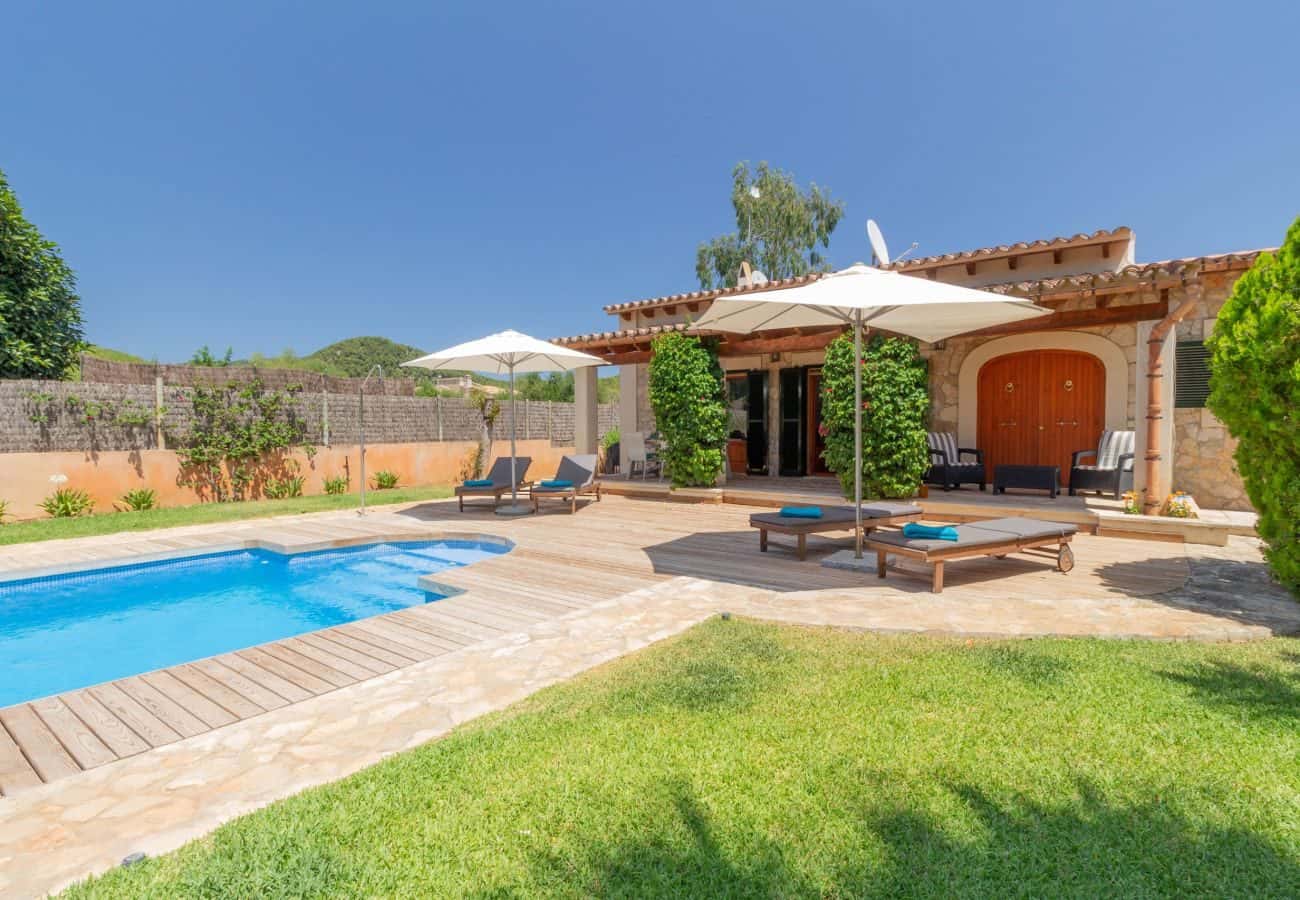
Vista Verde
near Pollença (North)
- 6 guests
- 3 bedrooms
- 3 bathrooms
Registration no.: ETV/4875
per night
€221.14 – €574.96
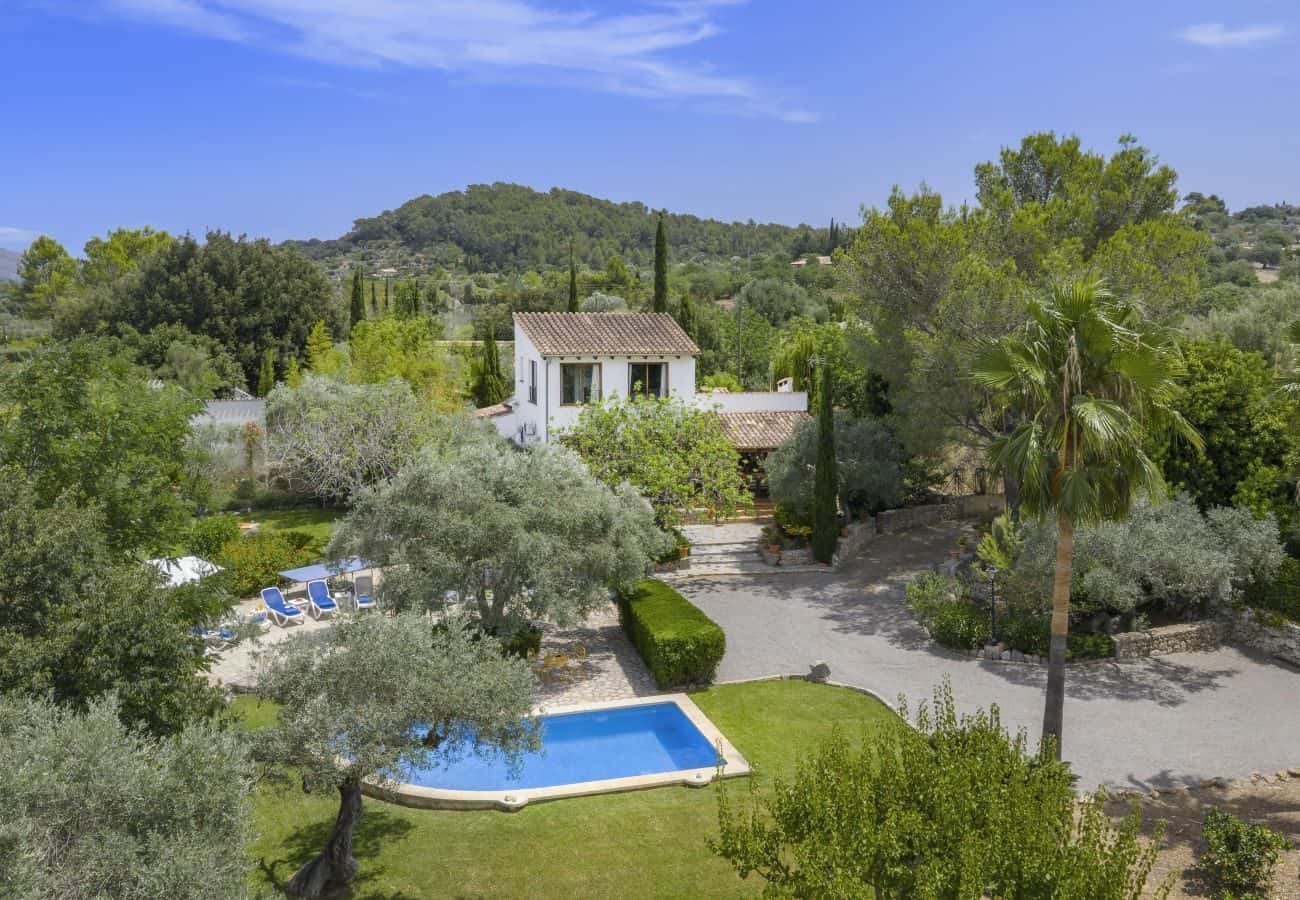
Cal Perdiu Vell
near Pollença (North)
- 6 guests
- 3 bedrooms
- 3 bathrooms
Registration no.: ETV/8616
per night
€252.11 – €671.42
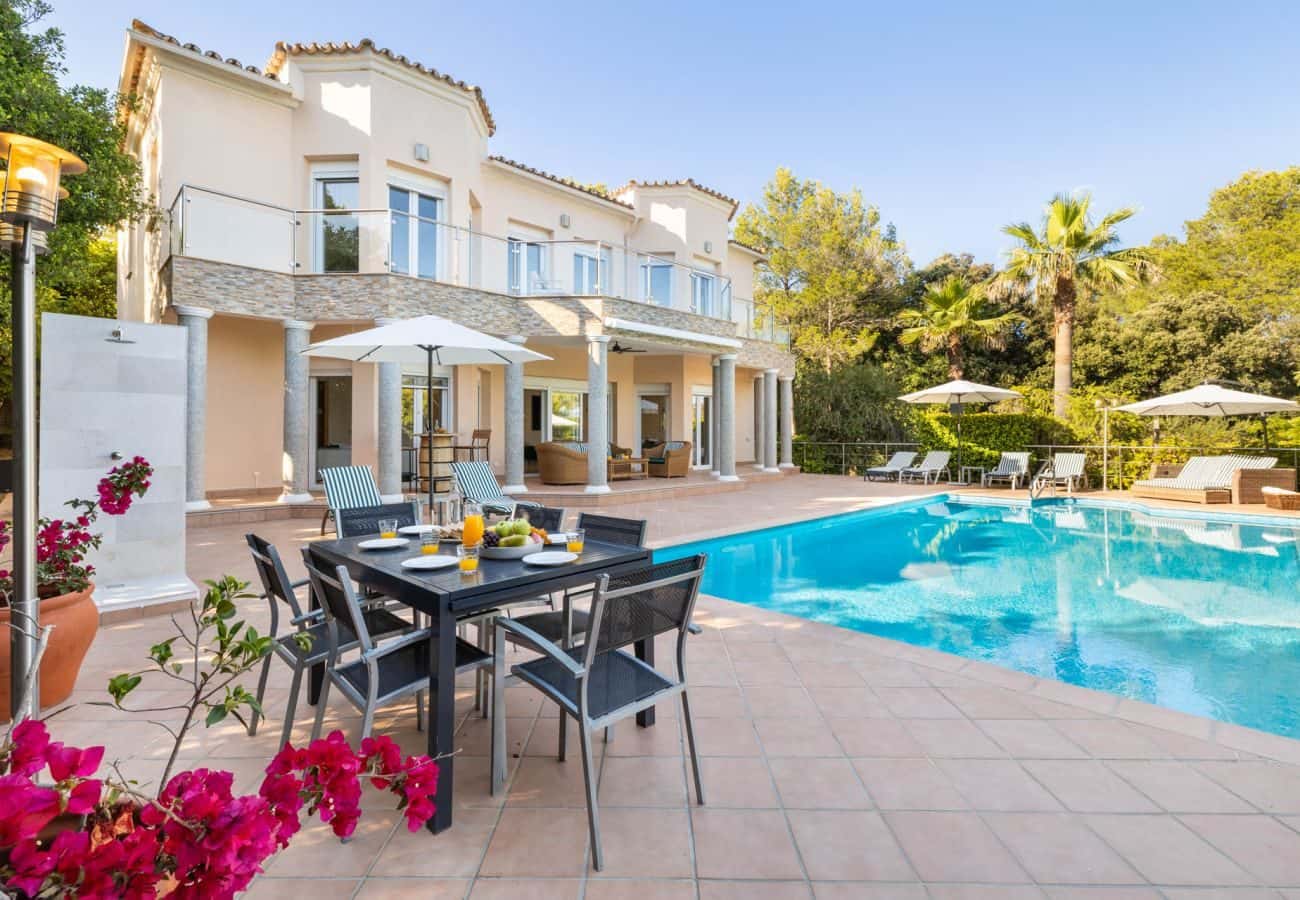
Villa Verde Subach
near Pollença (North)
- 8 guests
- 4 bedrooms
- 5 bathrooms
Registration no.: ETV/10057
per night
€336.13 – €886.55
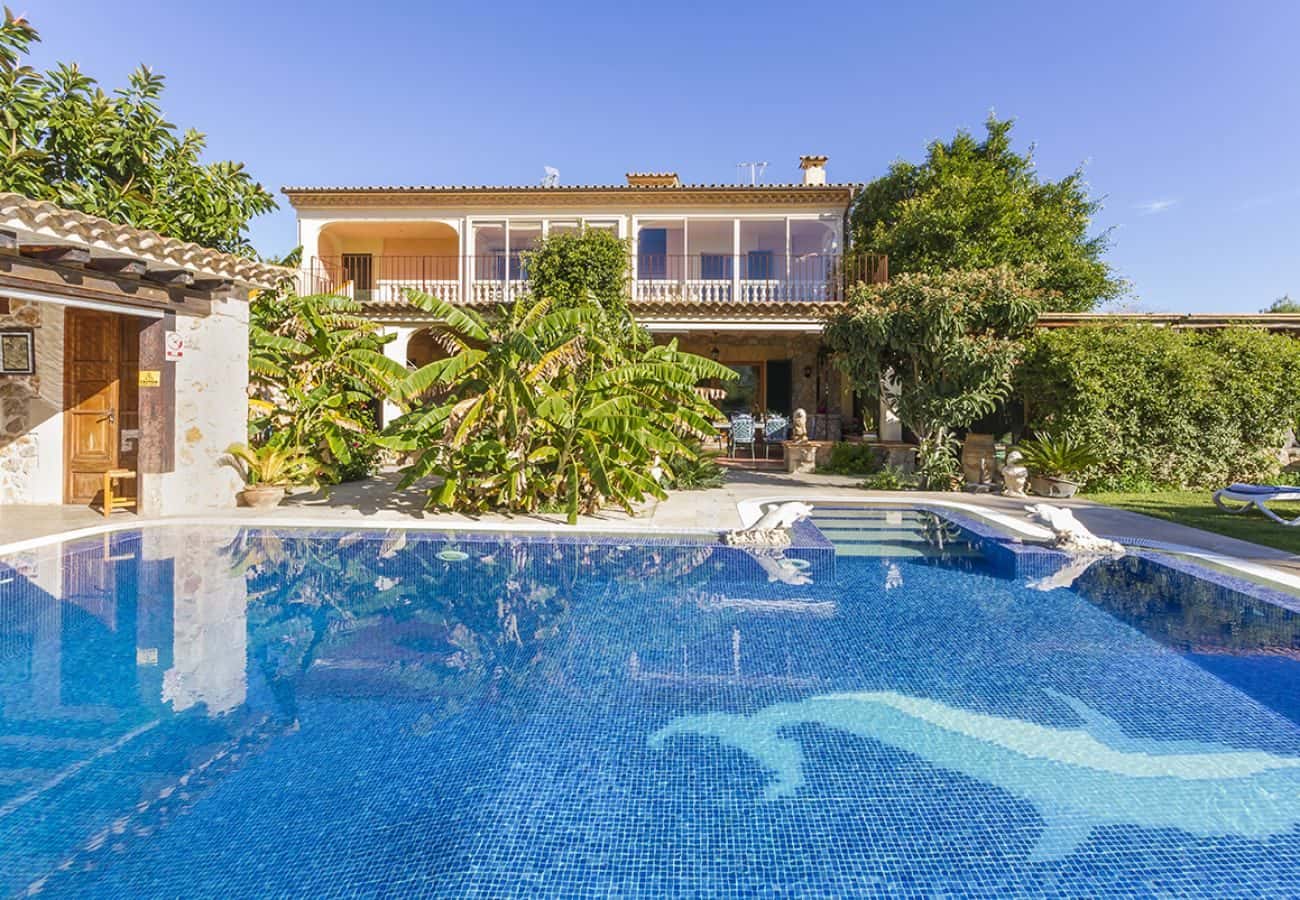
Can Josep
near Pollença (North)
- 8 guests
- 4 bedrooms
- 4 bathrooms
Registration no.: ETV/2445
per night
€423.98 – €878.25
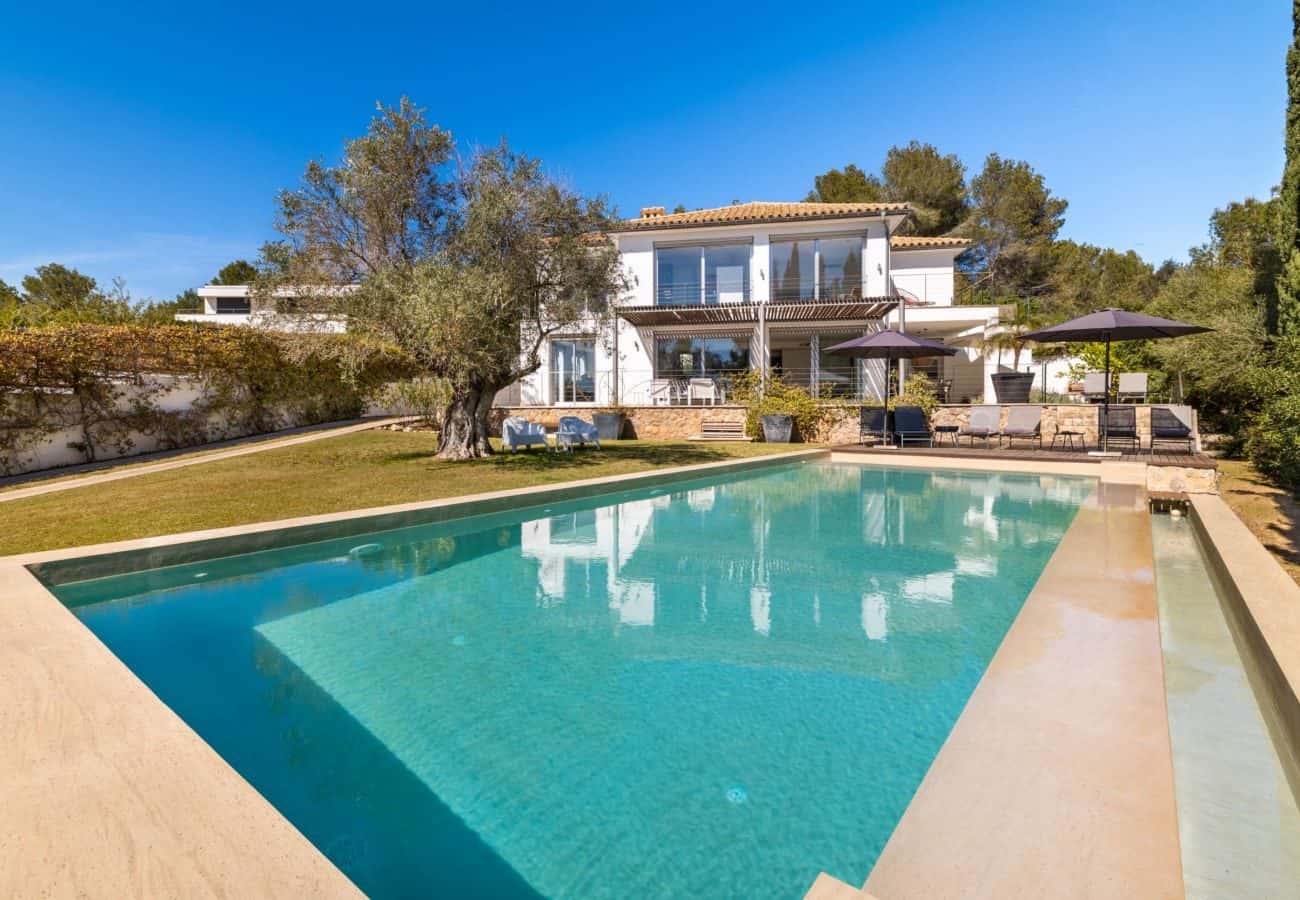
Villa Vista
near Pollença (North)
- 8 guests
- 4 bedrooms
- 4 bathrooms
Registration no.: ETV/10049
per night
€450.42 – €1,029.41
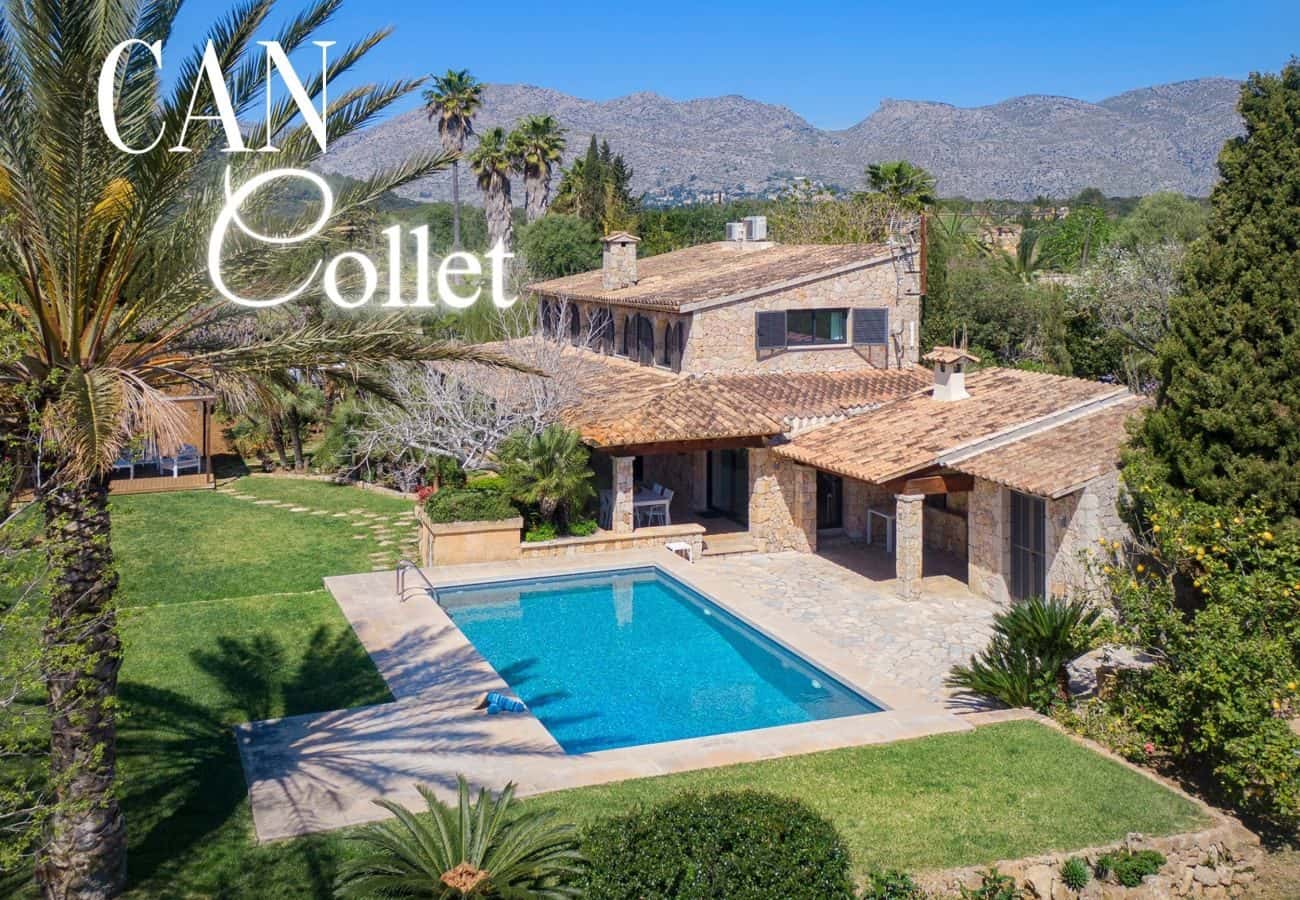
Can Collet
near Pollença (North)
- 6 guests
- 3 bedrooms
- 2 bathrooms
Registration no.: ETV/11408
per night
€478.99 – €1,260.51
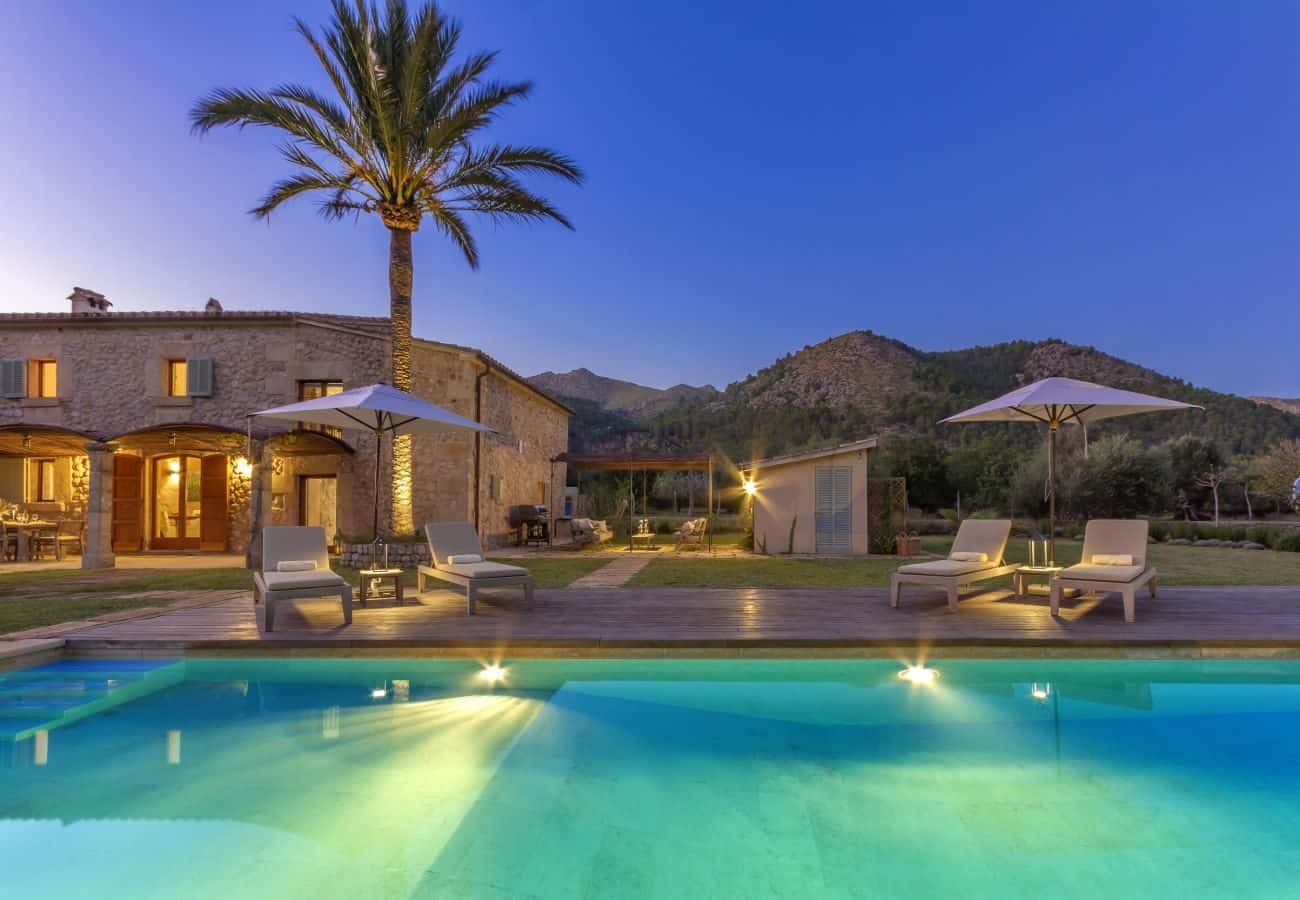
Can Pau
near Pollença (North)
- 8 guests
- 4 bedrooms
- 4 bathrooms
Registration no.: ETV/11866
per night
€533.61 – €1,260.51
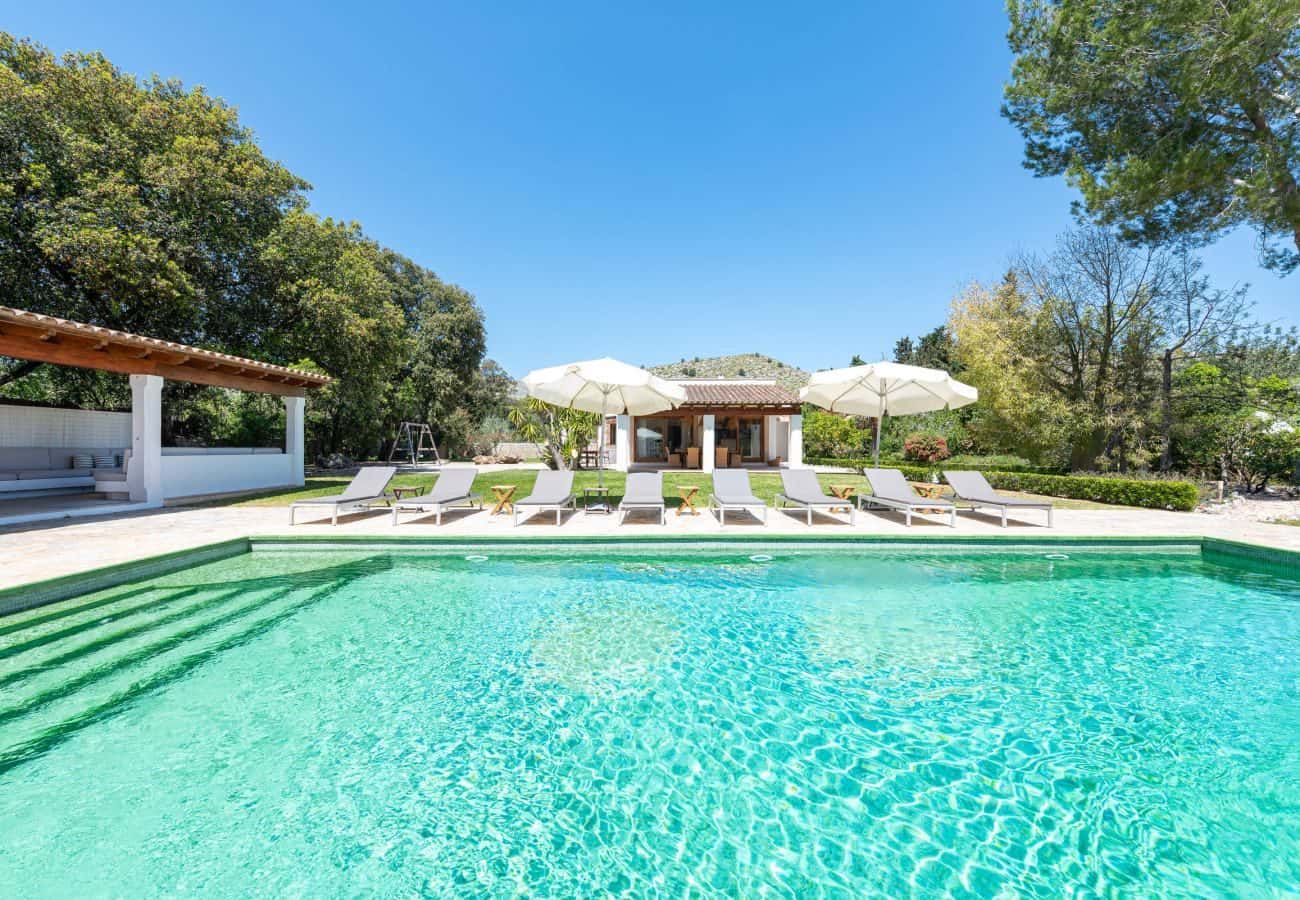
Cal Rei Gran
near Pollença (North)
- 12 guests
- 5 bedrooms
- 5 bathrooms
Registration no.: ETV/2637
per night
€714.28 – €1,806.72
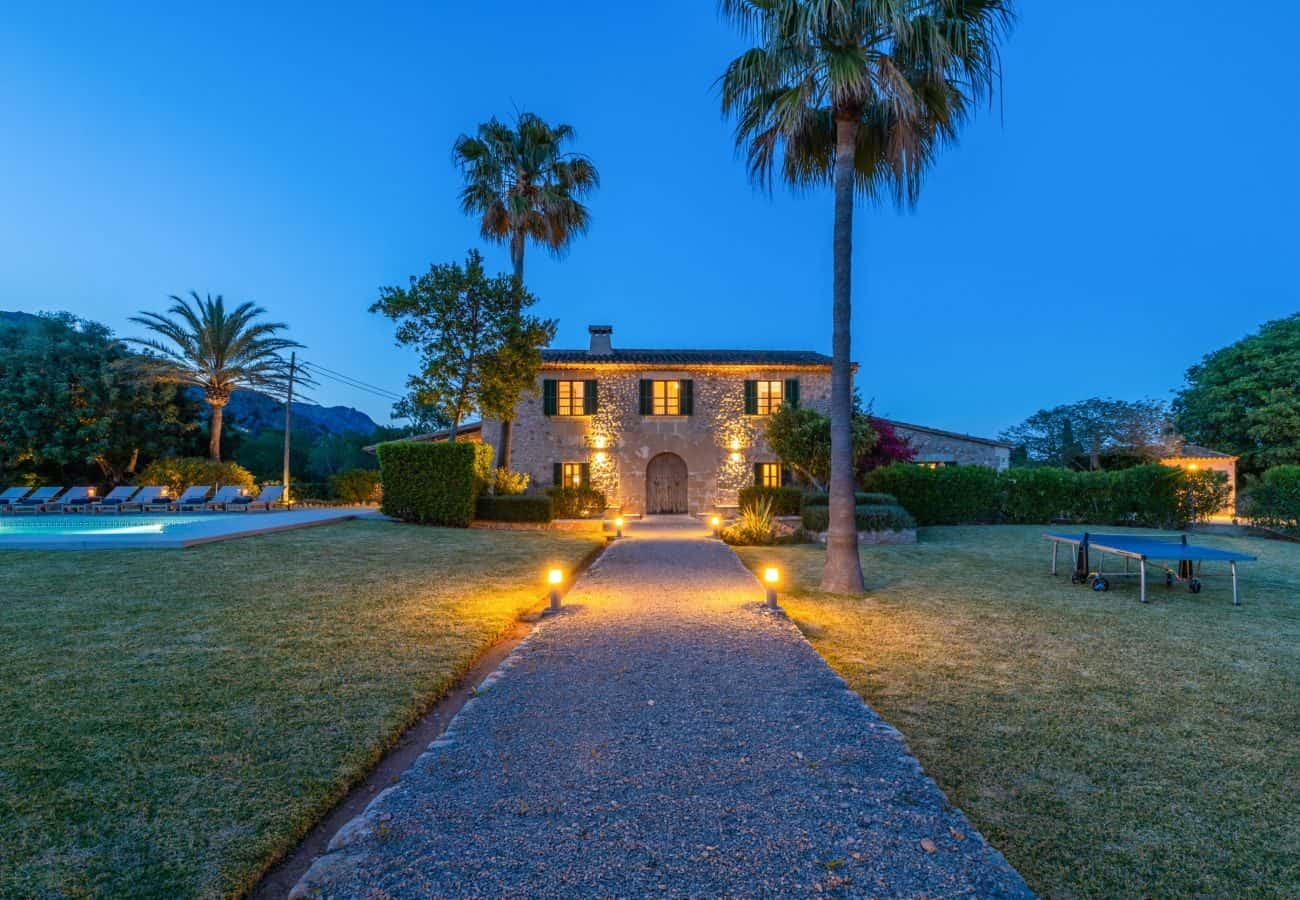
Can Corme
near Pollença (North)
- 10 guests
- 5 bedrooms
- 5 bathrooms
Registration no.: ETV/4866
per night
€1,075.64 – €2,008.40
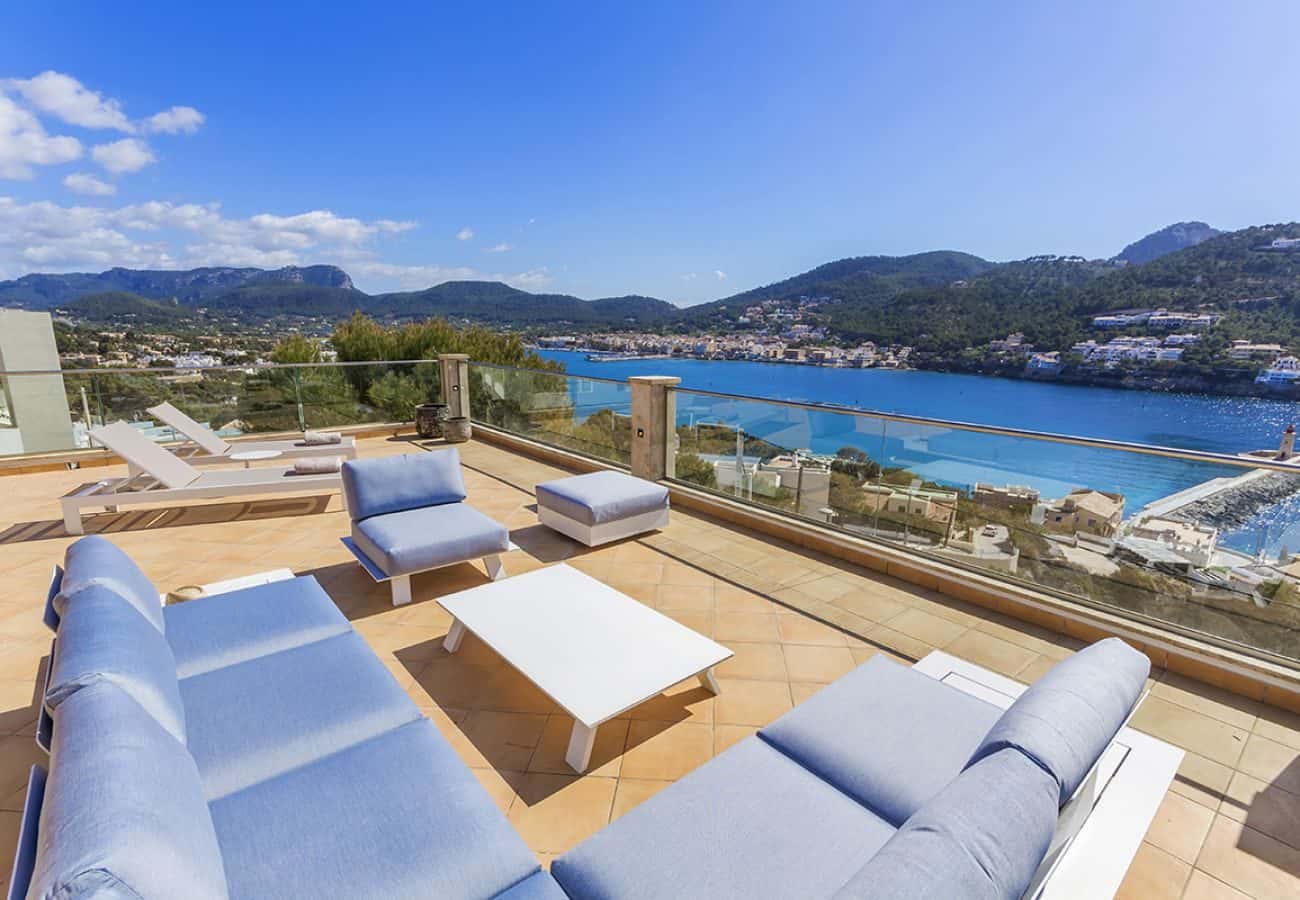
Villa Views Port Andratx
near Andratx (West)
- 7 guests
- 4 bedrooms
- 3 bathrooms
Registration no.: ETV/9286
per night
€1,176.47 – €1,848.74
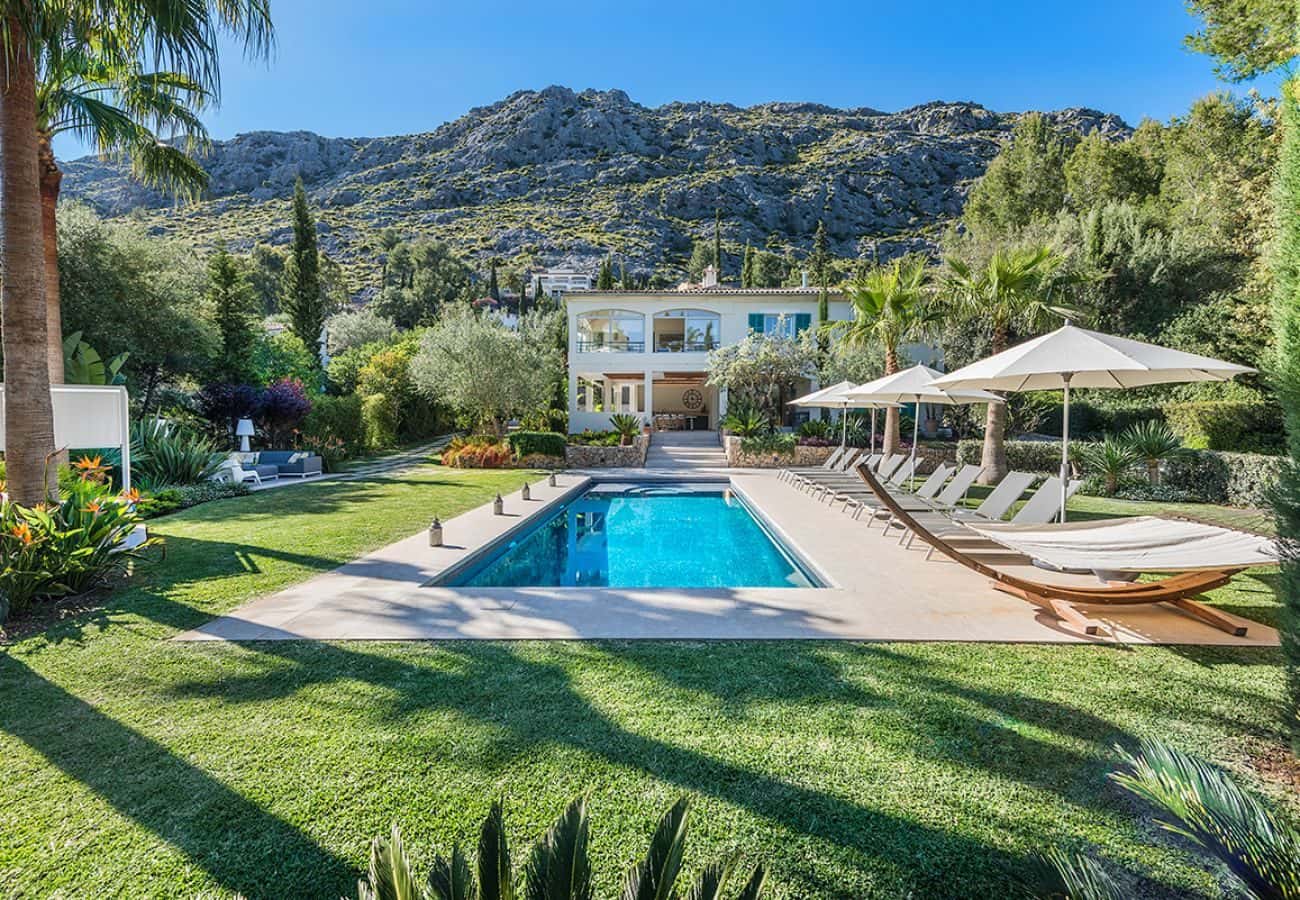
Villa Longa
near Pollença (North)
- 10 guests
- 5 bedrooms
- 5 bathrooms
Registration no.: ETV/312
per night
€1,310.93 – €1,899.16
There are currently no holiday homes listed here for Binissalem.
Binissalem at a glance
Weather

20.7 °C
Sunny
Hourly forecast

11.7 °C
12%

11.2 °C
29%

13.4 °C
25%
12.3 °C
30%
12.4 °C
31%
14.3 °C
26%
14.2 °C
26%

17.8 °C
17%

19.7 °C
9%

20.9 °C
4%
21.5 °C
10%
21.5 °C
6%
21.5 °C
7%
21.1 °C
3%
20.7 °C
1%
- Next hour
19.2 °C
2%
14.5 °C
4%
14.9 °C
6%
13.9 °C
3%
14.3 °C
2%

14.1 °C
8%
13.8 °C
3%
Forecast for the coming days
Sunday
Sunny07:0917:558%21.5°11.2°Monday
Overcast07:1017:5411%22.3°12.9°Tuesday
Sunny07:1117:539%23.1°12.8°Wednesday
Overcast07:1217:5128%21.2°14°Thursday
 Patchy rain nearby07:1317:5060%21°13.1°
Friday
Patchy rain nearby07:1517:4965%20.5°13.6°Saturday
Sunny07:1617:4811%20°13°Sunday
Patchy rain nearby07:1717:4736%19.1°12.1°Monday
Patchy rain nearby07:1817:4545%17.5°11.4°Tuesday
Patchy rain nearby07:1917:4457%18°10.7°Wednesday
Partly cloudy07:2017:4316%16.6°10.7°Thursday
Patchy rain nearby07:2117:4259%16.3°10.8°Friday
Patchy rain nearby07:2217:4152%18°10.6°Saturday
Sunny07:2417:4011%18.9°10.3°
Updated: 10/25/26, 2:16 PM
Weather information without guarantee. For safety-critical decisions, consult official weather services.
Island-wide climate averages · October
Palma Airport reference station (AEMET, 1991-2020)
Sea temperature source: Puertos del Estado / Copernicus Marine Service · Bay of Palma · 2003-2022
Getting there at a glance
Palma airport
25.0 km by road · 28 min
Binissalem
- Hire car or taxi
- 28 min via Ma-30 / Ma-13
Places nearby
Straight-line distance from the town centre
- Consell · 3.4 km
- Lloseta · 3.9 km
- Alaró · 5.0 km
- Biniamar · 5.4 km
- Biniali · 5.5 km
- Sencelles · 6.4 km
Nearby
Straight-line distance from the town centre
Beaches
- Calado P · 14.9 km
- Es Caló de Sa Fusta Zb · 14.9 km
- Na Llòbriga · 14.9 km
Sights
- Llorenç Villalonga · 0.2 km
- creu de Pedaç · 2.0 km
- creu del camí d'Alaró · 2.4 km
- Ermita del Cocó · 3.1 km
- Can Ribes · 3.4 km
- Son Fiol · 3.4 km
Weekly markets
- Weekly Market in Binissalem · Friday · 08:00-13:00
Map
Wine, sandstone and tranquillity in the centre of the island
Imagine arriving in the late afternoon, with the sun already lower in the sky and bathing the old façades in a warm light that makes the sandstone positively glow. That very moment explains why a holiday home in Binissalem, Mallorca, has so many returning guests: the town lies right in the island’s interior, in the Raiguer, not far from the Serra de Tramuntana, yet feels entirely different from the holiday resorts on the coast. Binissalem has remained an established place to live and work, not a tourist centre, and you can feel that as you walk through its lanes. Anyone looking for a finca in Binissalem also gets a piece of genuine island life, complete with a church tower, the bustle of the weekly market and neighbours who still greet one another in the street.
Wine-growing in Binissalem is not merely a backdrop, but the foundation of its history: vines were already cultivated on Mallorca in Roman times, and around the town, the calcareous soils, mild climate and proximity to the mountains have proved an ideal combination for viticulture. Today, the region is regarded as one of the island interior’s well-known wine-growing areas, giving walks through the surrounding fields a pleasantly earthy, slightly spicy note, especially during the harvest months. In the 19th century, phylloxera caused severe damage, but wine-growing was subsequently rebuilt – a story of setback and new beginnings that still gives the town its substance today.
In the historic centre, spacious townhouses and manor houses from the 18th and 19th centuries shape the scene, built from the pale sandstone that gives the entire old town its warm hue. Later in the day, the narrow streets often become quieter, and that is precisely when a stroll is particularly worthwhile, as the evening light bathes the stone façades in warm colours. My tip: if you want to experience the lanes without the bustle, deliberately plan your walk for early evening rather than midday. For anyone wishing to escape the bustle of the coast, Binissalem is therefore an alternative with its own character, promising both tranquillity and culture.
Arriving between Palma and Inca
Those coming from Palma follow the Ma-20 and then the Ma-13, around 24 kilometres to the centre of Binissalem. The town lies like an intermediate stop halfway along the route, before the road continues towards Inca, centrally located in the Raiguer of the island’s interior. This central position is precisely what makes it practical if you want to rent a finca in Binissalem: Palma is close enough for a stroll around the city, Inca close enough for an excursion, and yet you can quickly be back home in the evening. A finca in Binissalem benefits from this location between the island’s two major destinations without seeming hectic itself.
Binissalem is also easy to reach without a car, as the town is connected to bus services, with stops including those on Carrer Alcúdia and Carrer Palma. This makes it easier to find your way around, especially on the first day of your holiday when you do not yet know the area, and makes spontaneous trips to neighbouring Alaró more straightforward. Those who already enjoy using public transport will find Binissalem a significantly more interesting base than many a scattered finca location away from towns.
In the historic centre itself, it is better to leave the car behind. The narrow lanes were not made for a flood of cars, and anyone arriving by car is best advised to park a little outside and walk the last few metres. My tip: bear this in mind especially on market days or around local festivities, when there is noticeably more going on in the centre than usual, with church bells, delivery traffic and busier activity; then it is easier to find a space outside than right in the middle. In any case, this short walk is not a detour, but the nicest part of arriving at your finca.
No beach on your doorstep, but the sea is waiting
Anyone looking for a holiday apartment in Binissalem should correct one expectation right from the start: there is no beach or bathing cove in the village centre itself. Binissalem lies inland, with no coastline of its own, and when you open the shutters in the morning, you hear swallows and the clatter of roller shutters in the lanes, not the sound of waves. This is not a disappointment, but a statement: here, everything revolves around wine, sandstone and tranquillity, not sand between your toes right on the doorstep.
That does not mean beach days are off limits – only that they require planning. Binissalem itself is not a suitable starting point for reaching the sea on foot; anyone wanting to spend a day by the water needs a car or a bus to the coast. My tip: deliberately plan such outings as a separate day trip, rather than a spontaneous dip in between, so the day remains relaxed instead of hectic.
Those who prefer things quieter are better off spending the afternoon in the village itself: as the day draws to a close, the lanes often become peaceful, and the light softens, making the sandstone façades glow in a warm hue. Anyone wishing to trade the bustle of the coast for vineyards and quiet lanes will find precisely that to be the true appeal of a stay here – the sea is waiting, but it never pushes itself into the foreground.
Bell Tower, Lanes and a Walking Tour
Anyone strolling through the historic centre of Binissalem will almost inevitably end up at the Church of Santa Maria de Robines. It forms the architectural focal point of the town centre, and its tall bell tower can already be seen from the surrounding streets. The name preserves the older designation Robines and is therefore more than a façade: a linguistic testament to how the town has developed over the centuries. As a religious building, it carries this history forward without presenting itself as a museum. All around, sandstone façades and spacious townhouses and manor houses from the 18th and 19th centuries shape the scene, an ensemble that was protected in 1983 for its artistic and historical value.
From the church, it is worth making a detour to Plaça de l'Església and then continuing into the old-town lanes – a first walk that almost suggests itself: church, church square, a few lanes, then a break somewhere in the centre. Along the way, façades, portals and stonework catch the eye, all of which can be comfortably viewed from the public street without disturbing residents' daily lives. That is precisely what gives this town centre its charm: it is lived in, not an open-air museum, yet still rich in historic substance. The church, square and historic streets are so close together that you do not need any means of transport for this first stroll.
My tip: if you want to experience the lanes in gentler light, come in the late afternoon or early evening – then the small streets become noticeably quieter, and the warmer light makes the sandstone façades positively glow. If you set off on foot from your finca, you need neither a car nor any hurry, just a little time to look upwards, to where stonework and portals tell of everyday life in past centuries. Keep in mind that the historic centre is not a quiet retreat in the literal sense: church bells, delivery traffic and livelier activity around market days and festivities are all naturally part of it.
Market Day, Supplies and Life Beyond the Stalls
Those who want to cater for themselves will find solid basic amenities: supermarkets and grocery stores are well represented, along with restaurants, hairdressers, beauty services, and sports and fitness options for everything beyond the fridge. That may sound unremarkable, but it is exactly what makes for a relaxed stay in the town: you do not have to get in the car for every little thing. My tip: do your first shopping on the day you arrive, then the fridge is stocked for the remaining days, and you can take your time settling into the surroundings.
Things really come alive at the weekly market, which spreads around Plaça de l'Església and the adjoining streets. The stalls display fruit, vegetables, herbs and seasonal produce alongside cheese, sobrasada and other cured meats, as well as olives, olive oil, bread, pastries and sweets – a small cross-section of what the island produces agriculturally. Compared with the large markets in other island towns, this market remains noticeably more compact and locally oriented. It is not a large tourist market, but a place where the neighbourhood does its weekly shopping. Those who prefer it quieter should come towards the end of the market, when the initial crowds have subsided and there is still plenty of choice at the stalls.
It is precisely this mix of self-catering and market life that also makes the town interesting for visitors who are enthusiastic about everyday Mallorcan culture and do not come solely for sunbathing. Those who want to experience both can start at the market and follow it with a stroll through the quieter side streets, where the town reveals its more relaxed side away from the sales stalls. Those wishing to immerse themselves even more deeply in its agricultural character will find a fitting addition for a second wander in neighbouring Consell, with its wine-growing surroundings and local shops. For anyone looking for a place with a different rhythm from the usual holiday areas, this contrast between market bustle and quiet everyday life is a good reason to spend their next stay right here.
Who Binissalem is really suitable for
Anyone who enjoys doing their own shopping, tasting wine and seeking everyday Mallorcan life rather than a holiday resort will find that a finca in Binissalem provides exactly the right setting. Self-caterers and people interested in authentic island life will get their money’s worth here, as the town works well as a quiet base for excursions in the centre of the island and on the edge of the Serra de Tramuntana, without having to forgo the amenities of a lively centre. Those using public transport will find Binissalem more interesting than many a scattered finca location in the surrounding area, provided that their chosen accommodation is close to the town and transport stops.
With children, Binissalem is suitable for a quiet and manageable outing, as the centre is compact and easy to explore on foot. Nevertheless, the following applies: the historic area is not entirely car-free, so children should stay close at hand in the narrower lanes. Those staying on the outskirts gain more distance and peace, but need to allow for longer walks to the centre. Those who prefer a livelier atmosphere should stay closer to the centre; those seeking quiet can accept the slightly longer distances.
Anyone wishing to get around without a car should check carefully how far their chosen accommodation is from transport stops and shops, as this determines everyday life without their own vehicle. Sporty cyclists, meanwhile, like to use the town as a stopover on the way to Coll de sa Batalla near Caimari, before the actual climb begins. Those arriving in autumn for the Festa des Vermar will also find plenty there even without an interest in wine itself: atmosphere and cuisine are an important part of the festival. For anyone who prefers to cook for themselves during the day and sit on the terrace with a glass of wine in the evening, a finca apartment between vineyards and a mountain silhouette is a harmonious retreat.
Everyday living between sandstone and vineyards
With a historic town house or a rural property, you should explicitly check the heating, sunlight, humidity and structural condition in winter, not just during a summer viewing. Thick walls pleasantly keep out the August heat, but this very feature can become a challenge in the off-season when the sun barely reaches through the small windows.
In the historic centre, church bells, delivery traffic and increased activity during markets and festivals are part of everyday life – anyone seeking especially quiet nights should bear this in mind. If you live on the edge of the village among scattered houses, it is worth considering shopping, school runs, work and evening appointments in advance, as journeys there are organised differently from in the dense centre and require a little more planning in daily life.
If you have a car, it is worth keeping a little more distance from the centre: a parking space outside the narrowest part of the old town saves you from manoeuvring through narrow lanes and makes the end of the day noticeably more relaxed. Those who know these little peculiarities do not just live beautifully in Binissalem, but wisely too – with short distances to the centre and the tranquillity of the vineyards on the doorstep, which makes this everyday life between stone and vines so special.
Frequently asked questions
Is there a beach in Binissalem?
No, there is no beach or swimming cove in the town centre. Binissalem is located inland, with no coastline of its own, far from any bay. Anyone who still wants to spend a day by the sea will not get far on foot; a car or a bus to the coast is necessary. Instead, the town itself focuses on winegrowing, sandstone lanes and the tranquillity of the island’s centre, far away from the bustle of the coastal settlements.
How far is it from Binissalem to Palma?
Via the Ma-20 and the Ma-13, it is around 24 kilometres to the centre of Palma. Binissalem is centrally located inland, in the Raiguer, and serves many as a practical stopover between the capital and Inca. There are also bus connections, so the journey does not necessarily have to be made by car.
What does the weekly market in Binissalem offer?
On Plaça de l’Església and in the surrounding streets, you will find fruit, vegetables, herbs and seasonal produce, as well as cheese, sobrasada, cold cuts, olives, olive oil, bread, pastries and sweets. It is a compact, locally oriented market rather than a large tourist market, and it is aimed primarily at self-caterers.
Is Binissalem good to explore with children?
The compact center is easy to take in on foot and is well suited to a relaxed outing with children. The church, church square, and old town streets are close together, making an initial walk possible without long distances. However, the historic area is not entirely car-free, so children should stay close at hand in the narrow lanes. Those staying on the edge of town gain more distance and peace, but must accept longer walks to the center in return.
Should you drive directly into the center?
Better not: it is best to keep your car out of the historic core and park outside the narrowest part of the old town. Those arriving by car should plan for a little more distance from the center and walk the last few meters. The short distances there are best explored on foot anyway, while narrow lanes and sandstone facades leave little room for traffic.
Which sights shape the town center?
At the center are the Church of Santa Maria de Robines with its tall bell tower, the Plaça de l'Església, and the historic ensemble of 18th- and 19th-century houses made of local sandstone. The entire center was protected as an artistic and historical ensemble in 1983; the church remains the town's architectural focal point.