
Finca in eastern Mallorca: between coves, castles and wine towns
Hardly has the sun risen above the rooftops of Artà when the first market carts are already rolling into the historic centre, and amid wheels of cheese, sobrasada, almonds and freshly baked bread, that bustle arises which turns an ordinary morning into a small event. Anyone staying at a finca in eastern Mallorca does not wake up in a postcard setting, but right in the middle of everyday life that has hardly changed its ways for generations. The region stretches from the wine-covered hills near Felanitx to the fjord-like coves of the southeast coast, from the fortified walls of Castell de Capdepera to the quiet pebble coves beyond Cala Ratjada. It is precisely this range that makes it so appealing: one day you stroll along the car-free seafront promenade of Cala Millor, the next you stand on the battlements of a castle that only returned to the possession of Capdepera municipality in 1983 after negotiations with the heirs, looking out over the town and coast. In between lie villages such as Sant Llorenç des Cardassar, whose compact centre can easily be explored on foot, and towns such as Manacor, which has more to offer than church towers and narrow lanes. I know hardly any corner of Mallorca where peaceful country life and lively coastal towns come together so effortlessly. That is exactly why I keep sending guests in this direction who do not want to forgo either quiet evenings or a proper day at the beach. The following sections take you through arrival and getting there, to the beaches and sights, to markets and restaurants, and to the question of who this part of the island is really suited to. Sit back; I will show you what makes this area so distinctive – and why having your own finca here is often a wiser starting point than a hotel room on the coast.
We currently have no accommodation in East
These properties across Mallorca may suit you.
11 properties found11 Holiday rentals in Mallorca
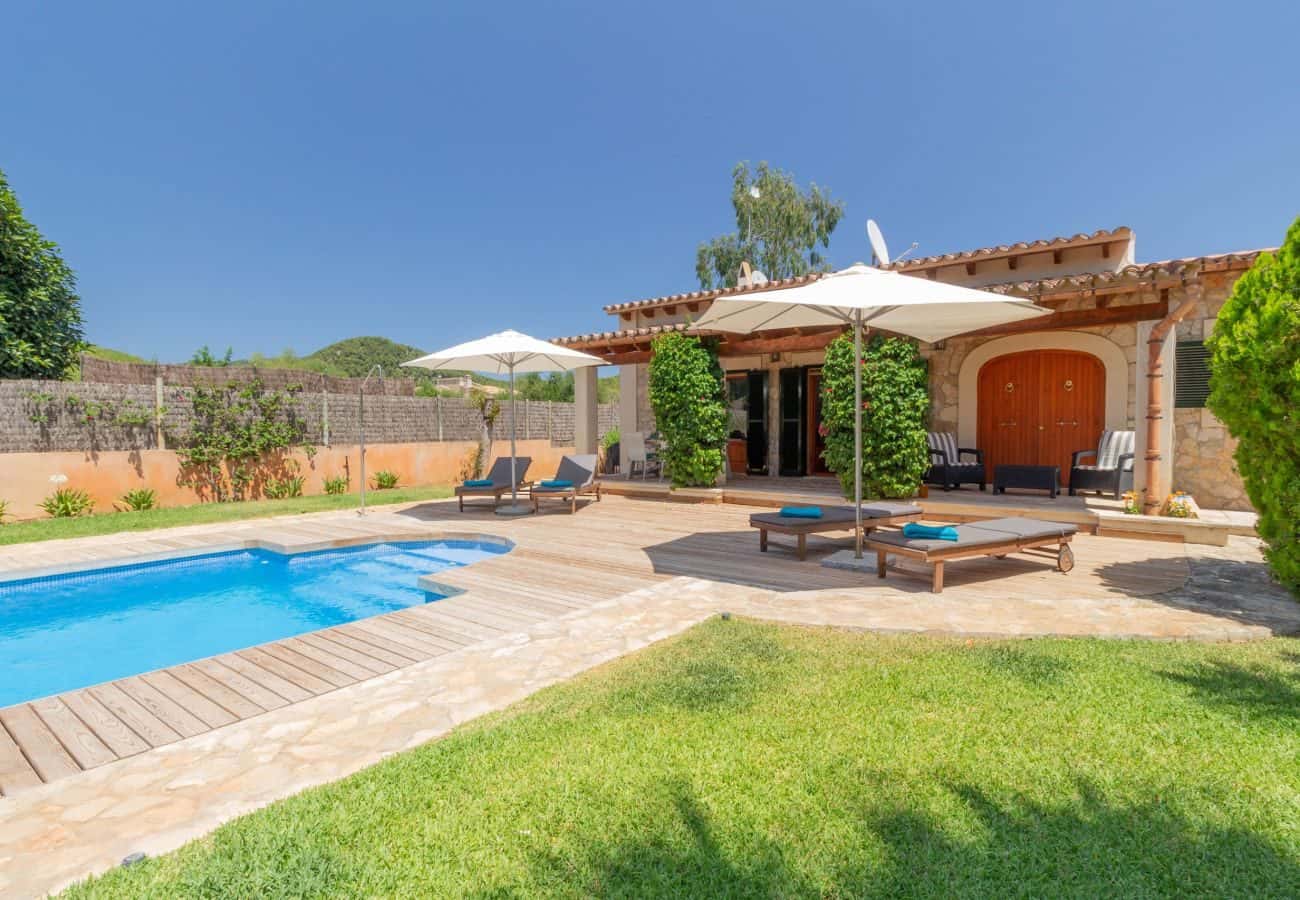
Vista Verde
near Pollença (North)
- 6 guests
- 3 bedrooms
- 3 bathrooms
Registration no.: ETV/4875
per night
€221.14 – €574.96
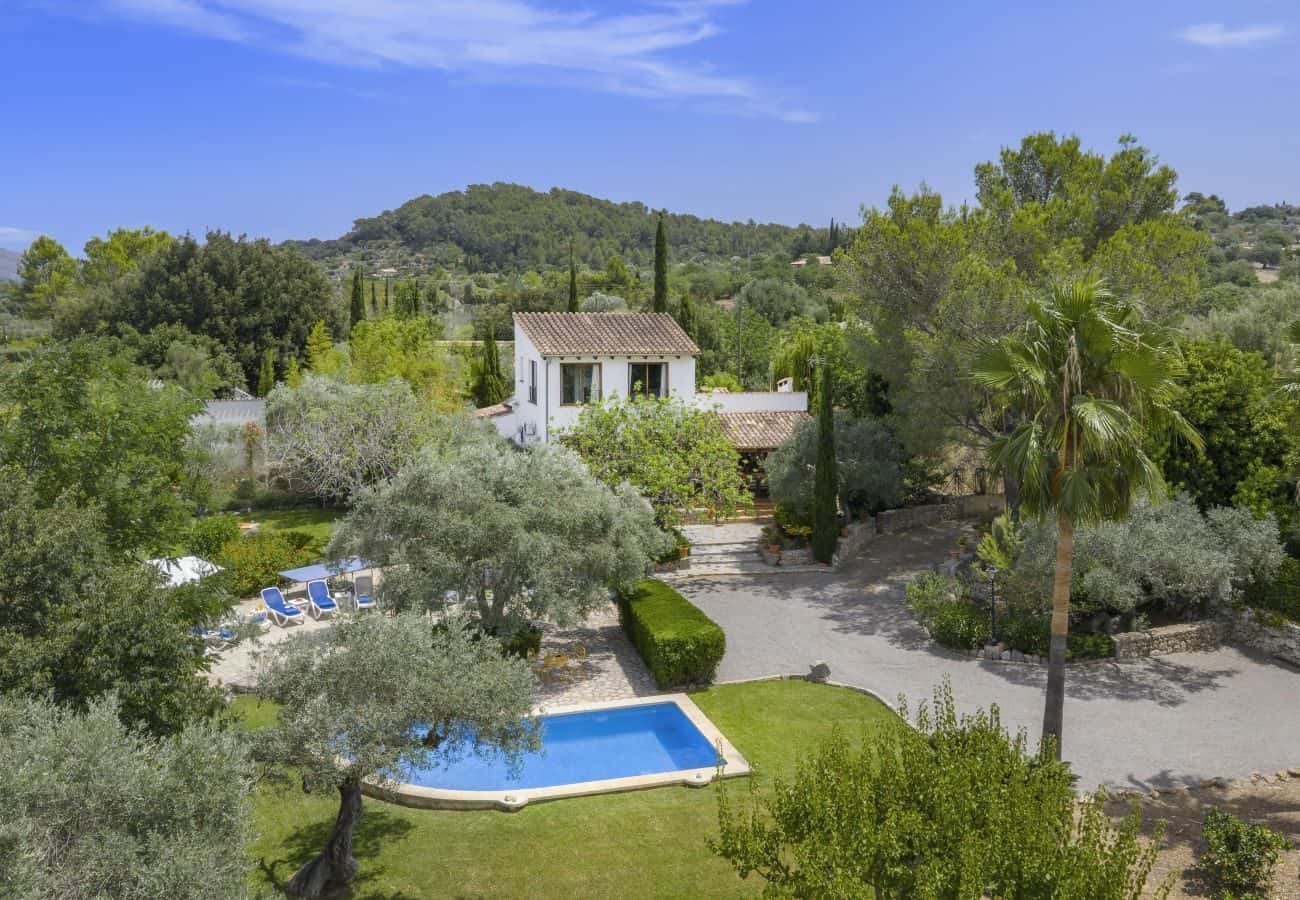
Cal Perdiu Vell
near Pollença (North)
- 6 guests
- 3 bedrooms
- 3 bathrooms
Registration no.: ETV/8616
per night
€252.11 – €671.42
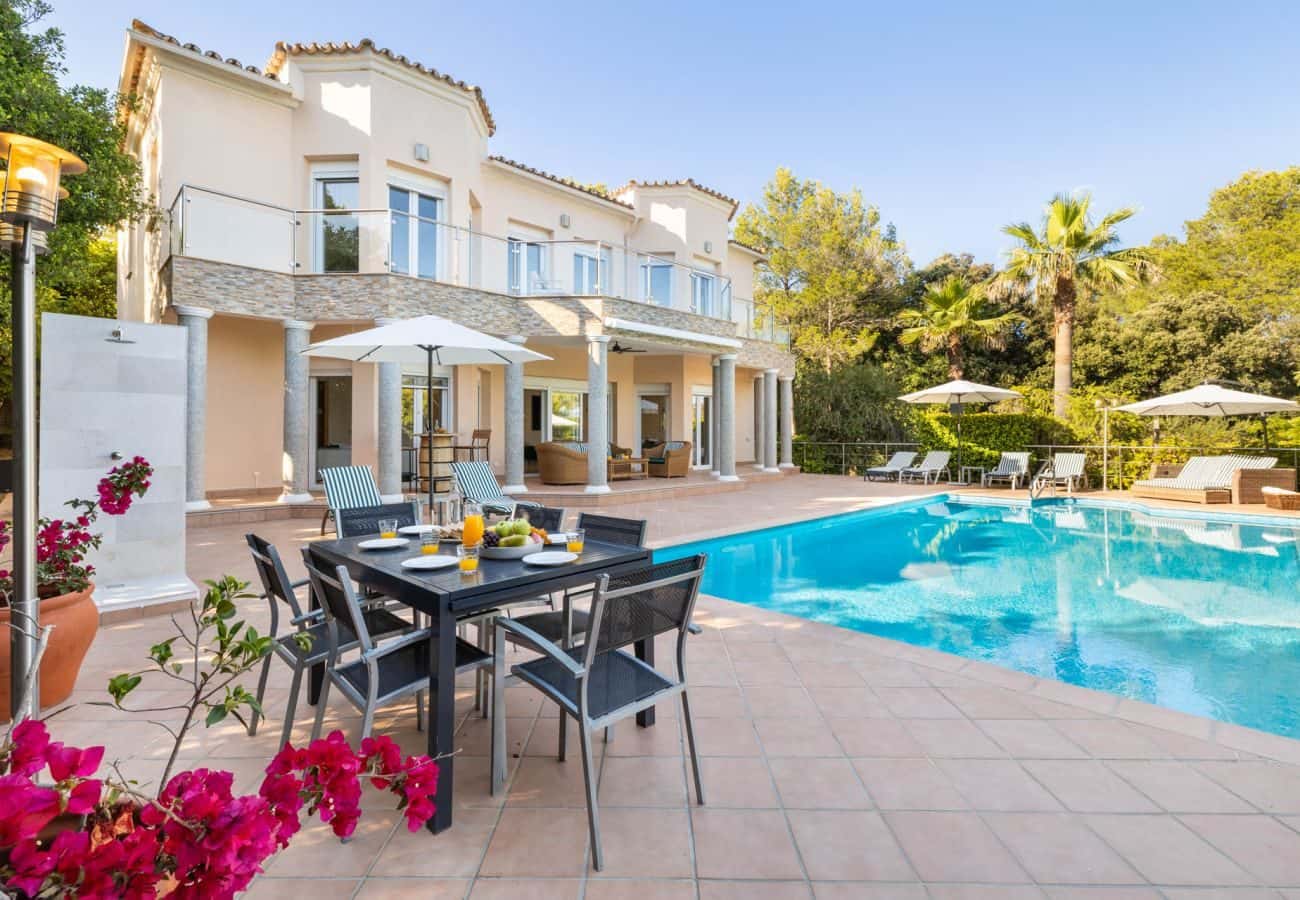
Villa Verde Subach
near Pollença (North)
- 8 guests
- 4 bedrooms
- 5 bathrooms
Registration no.: ETV/10057
per night
€336.13 – €886.55
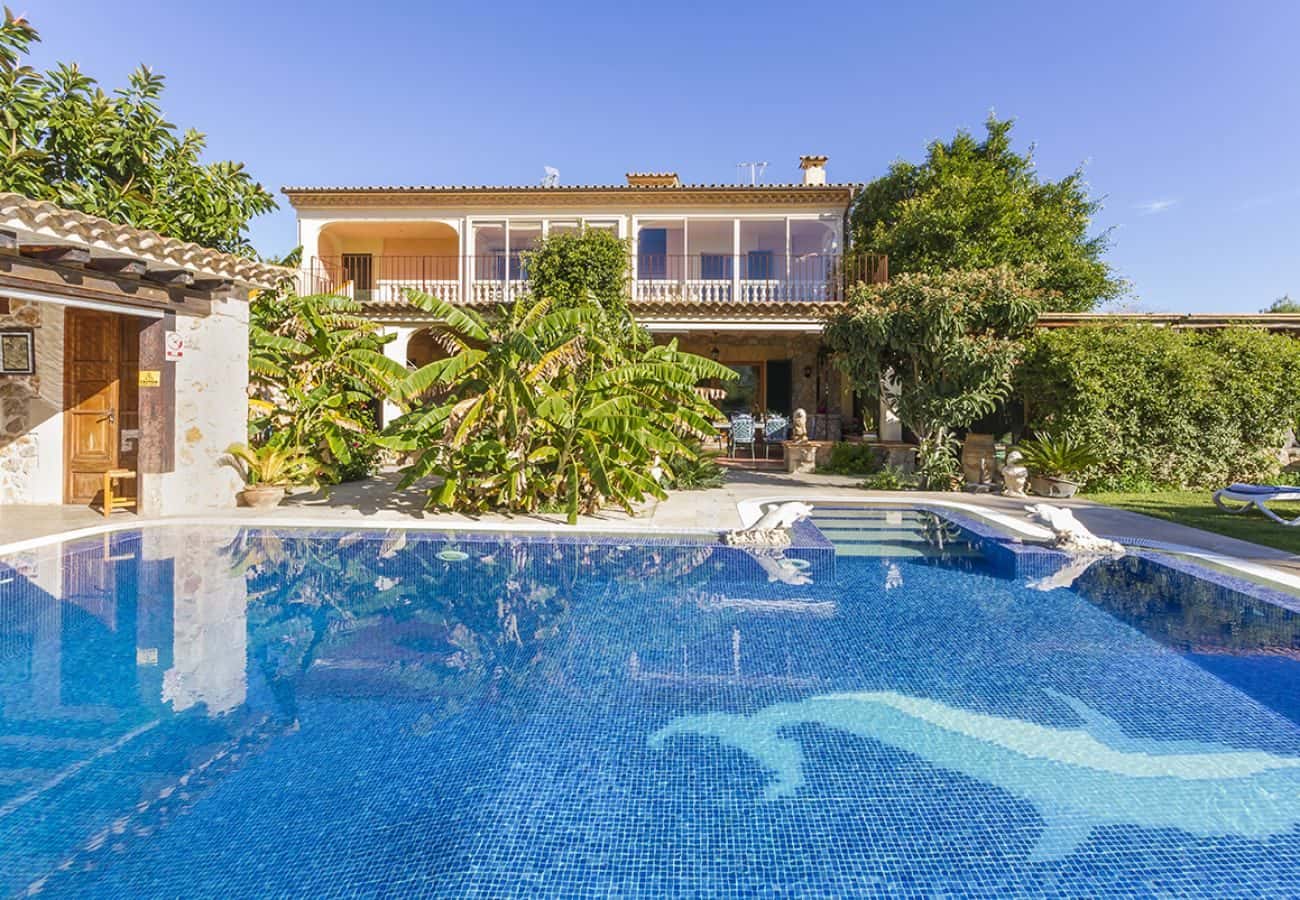
Can Josep
near Pollença (North)
- 8 guests
- 4 bedrooms
- 4 bathrooms
Registration no.: ETV/2445
per night
€423.98 – €878.25
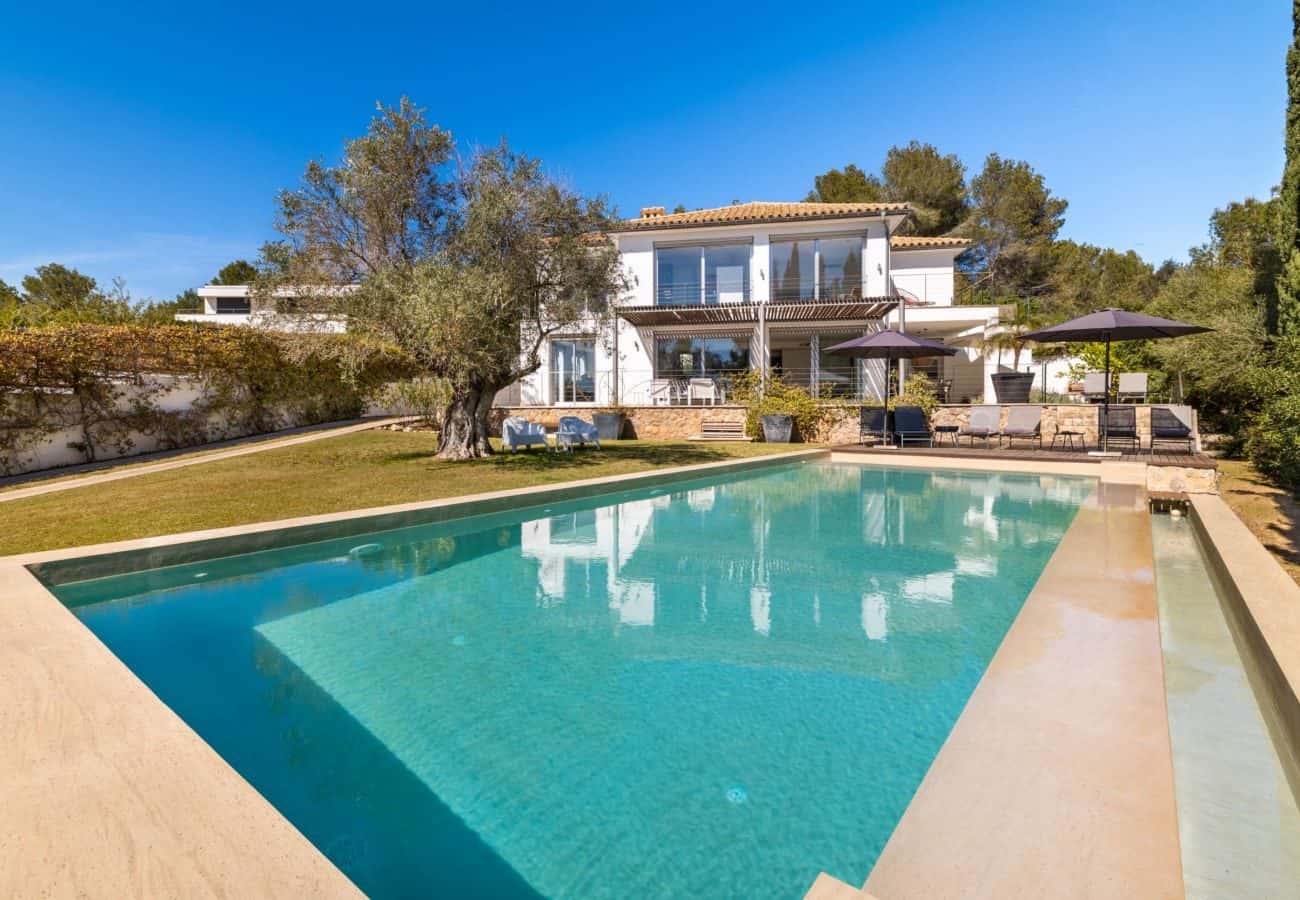
Villa Vista
near Pollença (North)
- 8 guests
- 4 bedrooms
- 4 bathrooms
Registration no.: ETV/10049
per night
€450.42 – €1,029.41
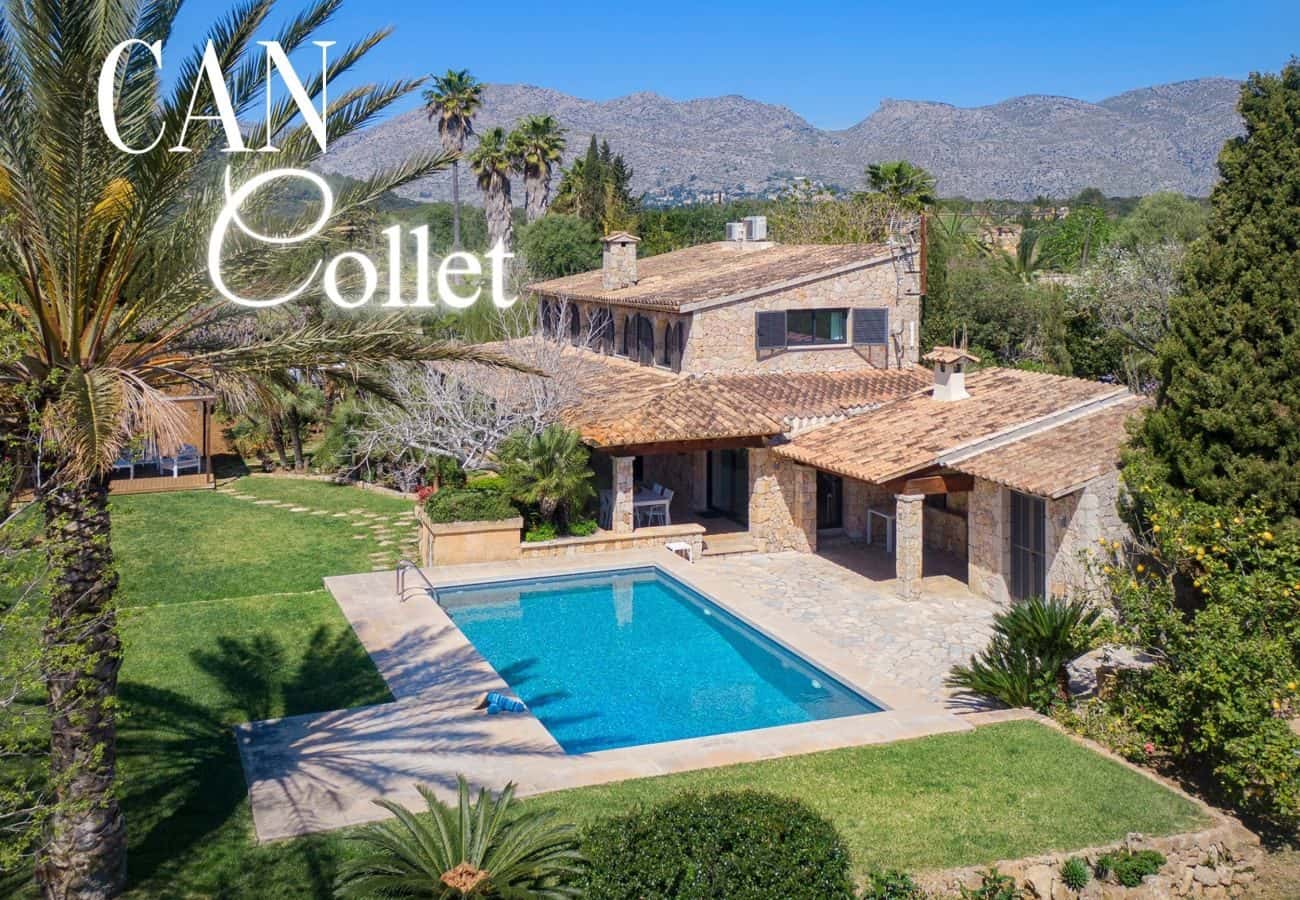
Can Collet
near Pollença (North)
- 6 guests
- 3 bedrooms
- 2 bathrooms
Registration no.: ETV/11408
per night
€478.99 – €1,260.51
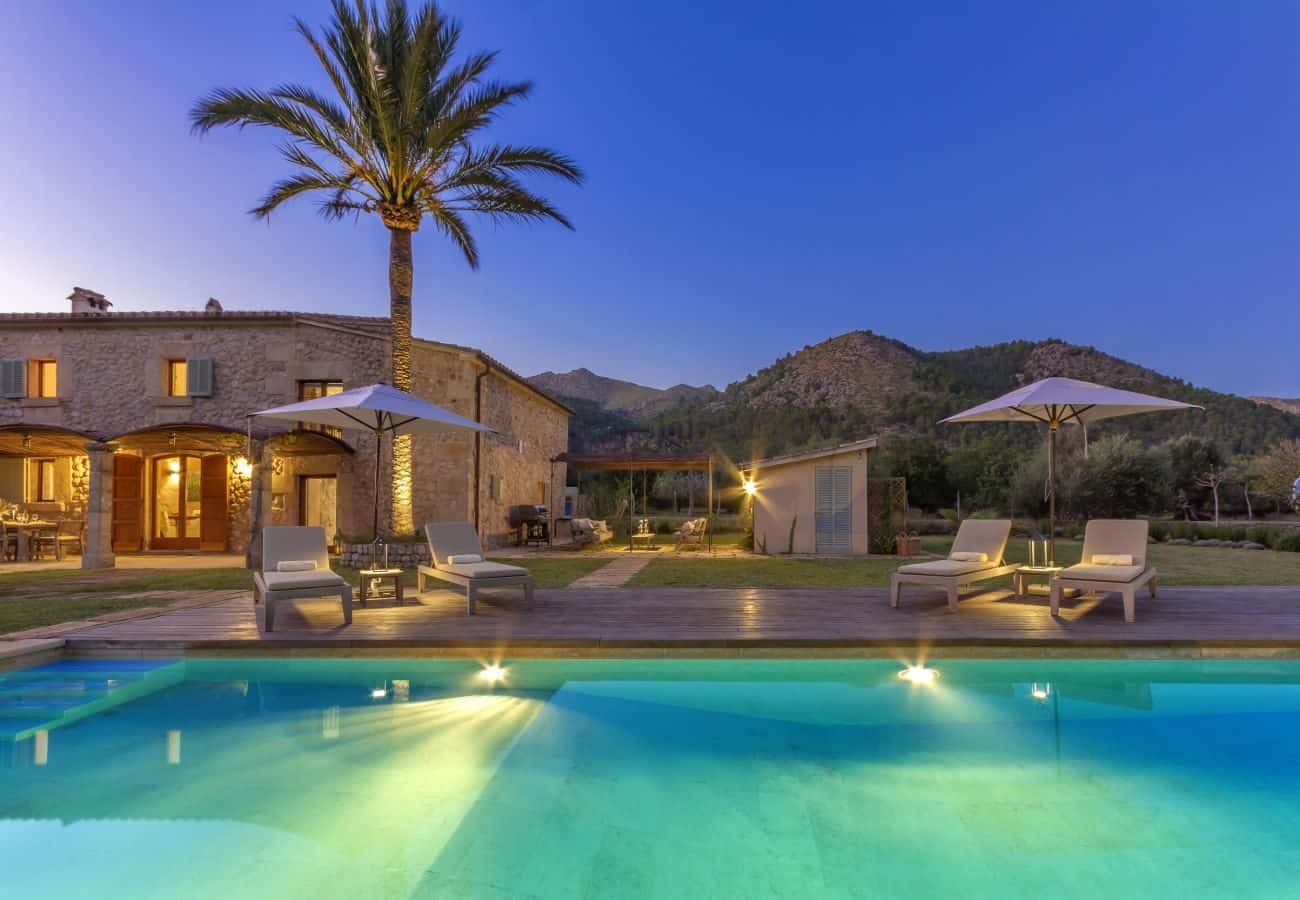
Can Pau
near Pollença (North)
- 8 guests
- 4 bedrooms
- 4 bathrooms
Registration no.: ETV/11866
per night
€533.61 – €1,260.51
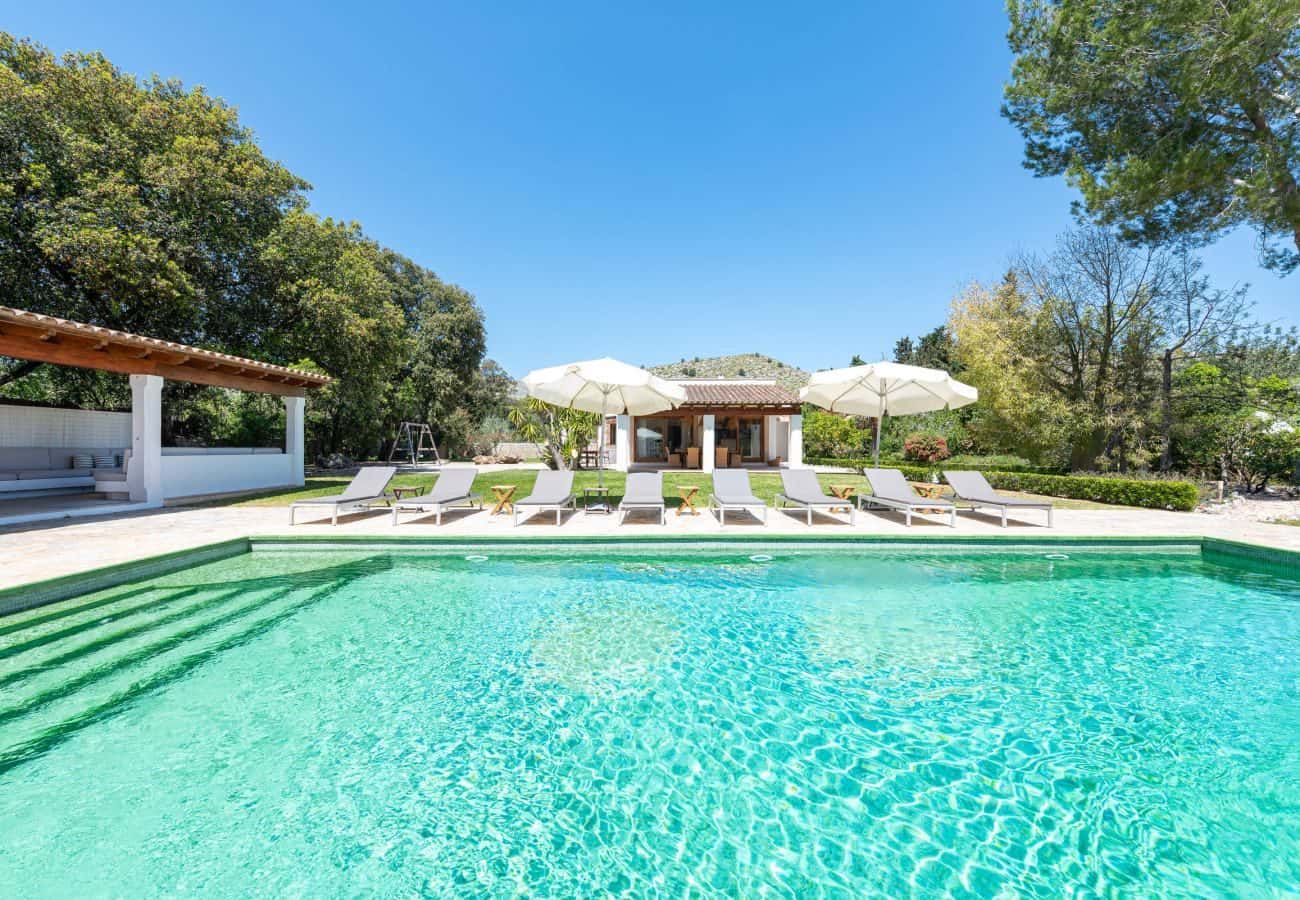
Cal Rei Gran
near Pollença (North)
- 12 guests
- 5 bedrooms
- 5 bathrooms
Registration no.: ETV/2637
per night
€714.28 – €1,806.72
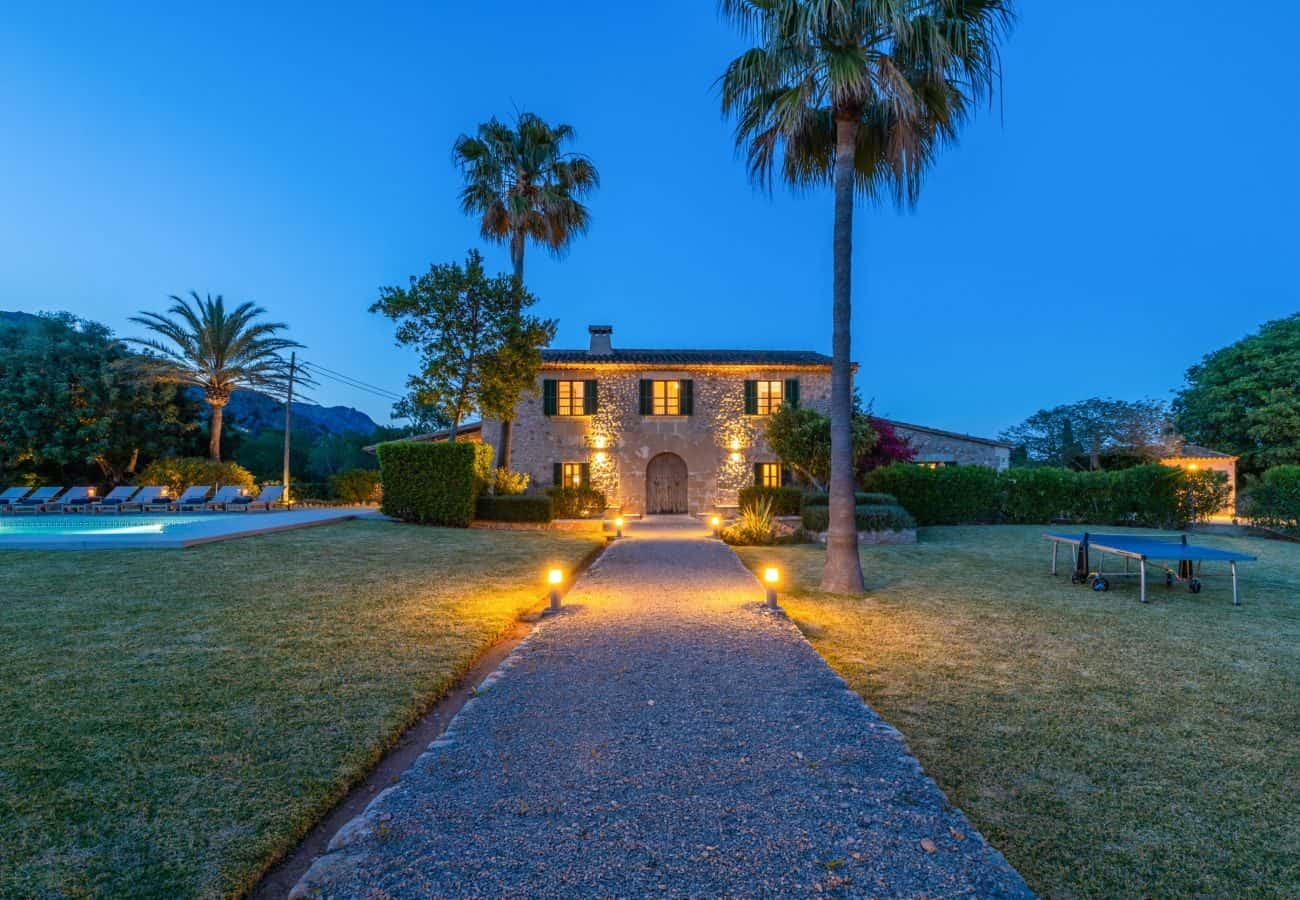
Can Corme
near Pollença (North)
- 10 guests
- 5 bedrooms
- 5 bathrooms
Registration no.: ETV/4866
per night
€1,075.64 – €2,008.40
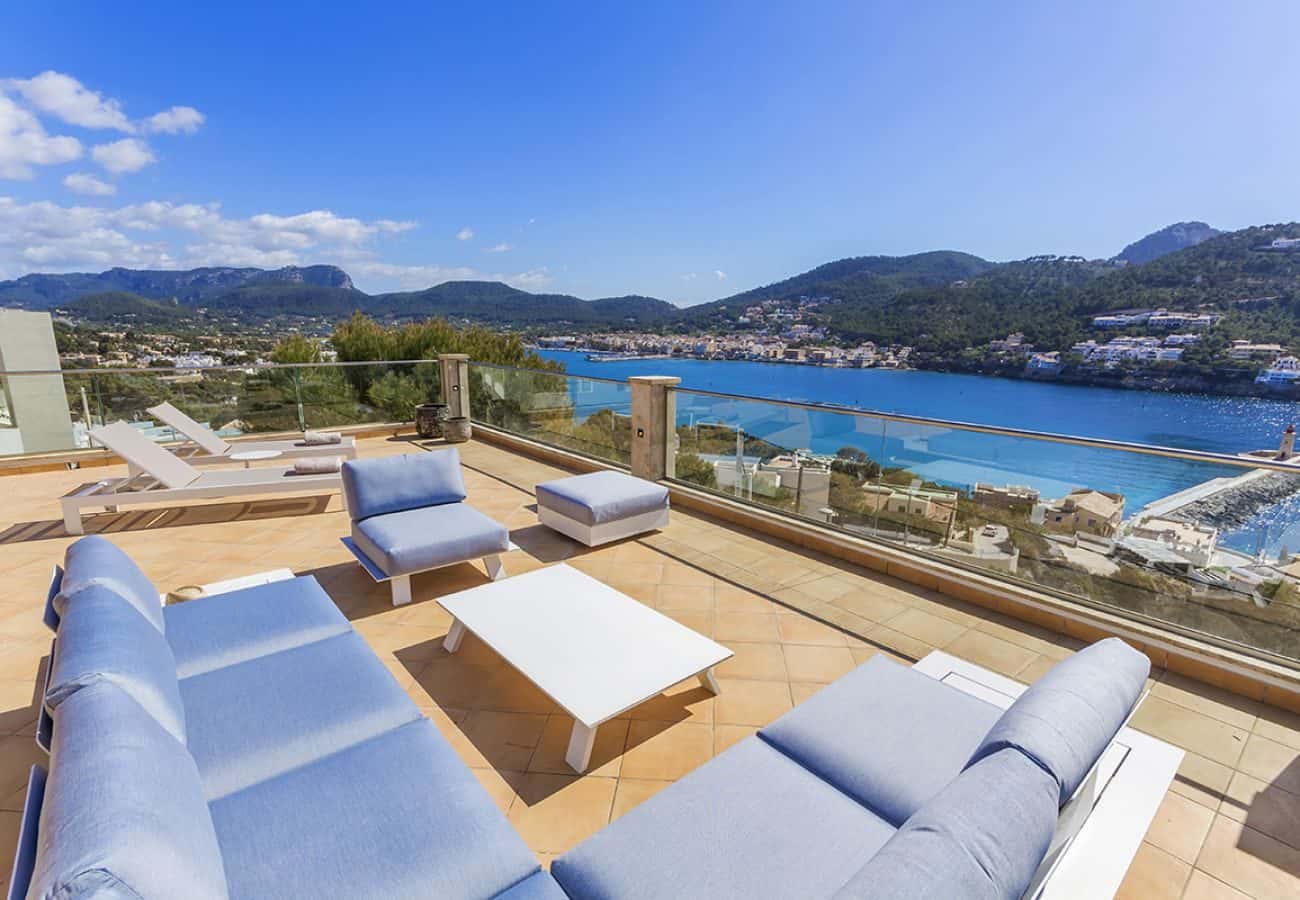
Villa Views Port Andratx
near Andratx (West)
- 7 guests
- 4 bedrooms
- 3 bathrooms
Registration no.: ETV/9286
per night
€1,176.47 – €1,848.74
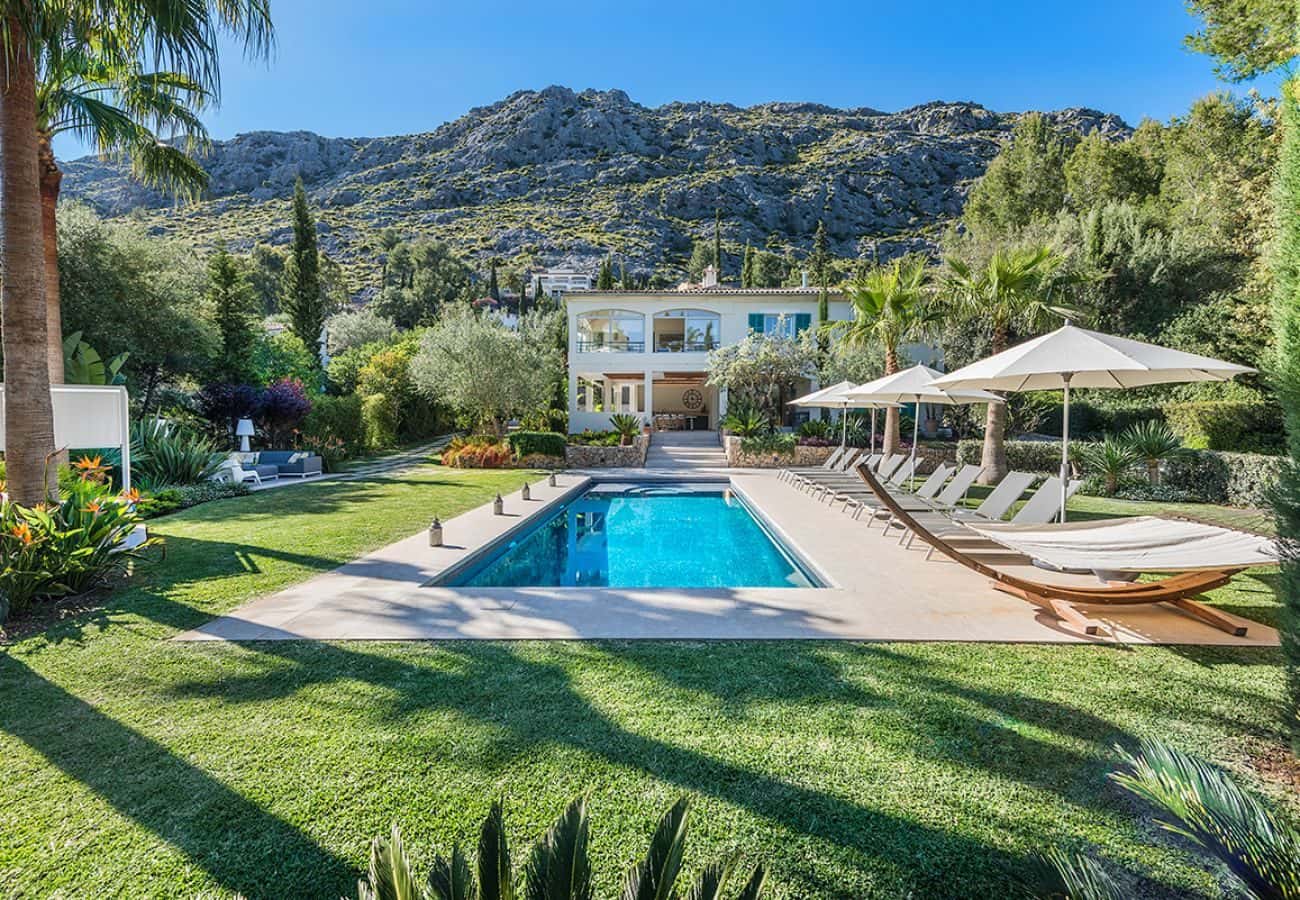
Villa Longa
near Pollença (North)
- 10 guests
- 5 bedrooms
- 5 bathrooms
Registration no.: ETV/312
per night
€1,310.93 – €1,899.16
There are currently no holiday homes listed here for East.
Finca in eastern Mallorca: coves, castles and wine towns
Six municipalities make up this region: Artà, Capdepera, Felanitx, Manacor, Sant Llorenç des Cardassar and Son Servera stretch from the island's far northeastern tip down to the southeastern coast. Anyone looking for a holiday home in eastern Mallorca will find a surprisingly diverse setting: rugged stretches of coastline, gently rolling hills with vineyards, and small towns where everyday island life still takes place. Capdepera marks Mallorca's northeasternmost point, a circumstance that gives the place something final about it, as though the island really ends here and the sea takes over. It is precisely this combination of seclusion and accessibility that makes a finca in eastern Mallorca a worthwhile base.
Economically, the area developed from the land itself over centuries. In Felanitx, for example, an important centre of Mallorcan wine production emerged in the 19th century, traces of which can still be seen today in wineries and vineyards around the town. Anyone driving through the hinterland can often spot the rows of vines from afar, laid out in long lines across the red soils. This agricultural tradition provides a pleasant contrast to the tourist bustle of the coast and makes it clear that eastern Mallorca is more than a collection of holiday resorts.
Nowhere is this dual character as evident as in Artà, where the weekly market is at once a shopping opportunity, meeting place and lively visit to the old town, located right in the historic centre. Those wishing to avoid the bustle should plan their stroll for the early hours, while the lanes are not yet crowded. On the southeastern coast, meanwhile, Cala d'Or has developed into the region's tourist centre, with an entirely different energy from tranquil Artà. Between these poles there is ample room for a finca holiday that allows both: quiet days in the hinterland and lively evenings on the coast.
Getting around between towns and coves
Public buses and trains cover eastern Mallorca only in parts, which is why most people renting a finca in eastern Mallorca opt for their own rental car. Some towns are connected to the bus network: Son Servera has stops in the northern and southern parts of town, and Felanitx also has several bus stops in the centre. However, Son Servera has no active passenger railway station; those relying on rail are more likely to end up in Manacor. Several stops there share the name Estació de tren, and there is also the Sa Mora stop – potentially quite confusing for those unfamiliar with the area, though a look at the line name quickly clarifies things. Anyone staying in a finca in eastern Mallorca gains precisely the flexibility with their own car that timetables alone cannot offer.
Some destinations are more easily reached via small detours than by the direct main road. Two side roads leading off the route between Porto Cristo and Cales de Mallorca take you to Cala Anguila, and there is also a bus stop nearby. Towards Castle Hill, take the Ma-14, which runs through the landscape at the foot of the eastern hills and is one of the region's more scenic approaches. No bus stop is listed at Castell de Santueri itself, so a car or bicycle remains the most reliable choice here. Those travelling between Manacor and Artà will most likely use the road through Sant Llorenç des Cardassar, which connects the two towns directly.
Planning ahead is worthwhile even at the destination itself. At Cala Auberdans, near Costa de Canyamel, you can park free of charge, though informally, in the surrounding residential streets and cul-de-sacs off Vía Calès – spaces are limited; those arriving early in the morning will find an opening more easily. My tip: especially in the summer months, it is worth setting off early, before the narrow streets around the cove become busier. Those wishing to climb up to Castell de Capdepera should walk through the town and then take the ascent to the castle itself – sturdy footwear pays off here. However different the routes may be, each of them can be planned calmly from your own finca and tackled without time pressure.
Beaches ranging from pebbles and sand to fjord-like coves
The coast in eastern Mallorca often changes character after just a few kilometres. Along the southeast coast, fjord-like coves with fine sandy beaches line up next to one another, while other sections appear considerably rougher. The seabed at Arenal is sandy, making it well suited to a relaxing day by the water. The four small coves near Es Carregador are quite different: there you can expect coarse pebbles, some sand, rocks and algae in the water, an attraction for some, but rather inconvenient for families with small children. Anyone looking for a holiday apartment in eastern Mallorca will therefore find very different beach days depending on the location, from calm sand to wilder rocky terrain.
Around s'Illot, the coast shows its rockier side. The bay separates the Bay of Alcúdia from the Bay of Pollença and, behind the pebble shore, offers a pine forest with picnic tables that provides shade in places, even if it is not continuously naturally shaded. Those who venture further into the surrounding area will come across rocky coves without an easily accessible sandy beach and with uneven terrain, where sturdy footwear and a little caution are advisable. Those who prefer sand will find Cala Ratjada a more suitable destination for a stay directly by the sea, with shorter distances between the lounger and the water. The double bay of Cala Mondragó and Cala S'Amarador, framed by Aleppo pines and pine trees, is also among the places worth visiting for a quiet morning outside the high season, with its white sandy beach.
Along the seafront promenade of Cala Millor in Sant Llorenç des Cardassar, you can stroll without cars, a plus for families with prams or anyone wishing to walk in the evening without traffic noise. By comparison, Algar has no beach services whatsoever; there, you are on your own, which has its own appeal especially during the week and outside the summer months. Sa Coma, in turn, is suitable as a destination for a classic beach day with everything that goes with it. Anyone driving back to their own finca after a sunny afternoon by the water will truly appreciate the peace and quiet away from the lively promenades.
Church towers, monasteries and a mountain monastery above Artà
Culture is spread across several municipalities in eastern Mallorca, each with its own distinct character, rather than concentrated in a single place. In Artà, the pilgrimage church of Sant Salvador towers above the town, part of the old Almudaina fortifications, reached via a long staircase that is worth every step. Those who climb the steps on a quiet morning rather than in the midday heat will find not only a clear head at the top, but also more leisure to take in the view over the rooftops. In Capdepera, the walk to the Castell is worthwhile, bringing together several eras under one roof with the Torre de sa Boira, the Church of Nostra Senyora de l'Esperança from the 14th century and the Casa del Governador.
A different picture emerges in Manacor: the parish church of Nostra Senyora dels Dolors, whose construction began in the 19th century on the site of earlier predecessor churches, while chapels and components of the original church were preserved. Anyone already there should not limit an excursion inland to churches and the old town, but use the town as a starting point for further exploration. A very different kind of tranquillity can be found near Artà, at the Ermita de Betlem monastery, founded in 1805, away from the coastal resorts and ideal for anyone wishing to escape the bustle for a few hours.
Smaller, but no less charming, is the Capella des Carregador, a modest sacred building without medieval roots and without any claim to tell great art history. That is precisely what makes it appealing: a place whose preservation the church communities of Capdepera and Cala Ratjada have been working together to support since 2021. My tip: if you like such quiet corners away from the well-known sights, it is best to allow a separate day for each of Artà, Capdepera and Manacor rather than cramming everything into one excursion. That leaves time for the details you would otherwise miss, and the evening on the finca terrace becomes a well-earned conclusion.
Markets, shops and restaurants in eastern Mallorca
Who likes it lively, and who prefers to shop in peace? The weekly market in Artà takes place in the historic centre and is more than just a shopping appointment: it is both a meeting place and a lively visit to the old town. The stalls offer fruit, vegetables, cheese, sobrasada, olive oil, honey, almonds, bread and pastries from the traditional core of the market. My tip: Those who arrive early can still experience the quieter hours before the lanes fill up. The weekly market in Son Servera is also worth a stroll. Its stalls stretch from Plaça de Sant Joan to the old railway station, inviting visitors to wander between the displays.
The weekly market in Sant Llorenç is quite different: in summer, it attracts noticeably more visitors from Cala Millor, Sa Coma and the surrounding coastal resorts; in winter, it becomes noticeably quieter, with fewer stalls and fewer visitors from outside. Those who want to experience the market atmosphere without the bustle should plan their visit during the cooler season. In Cala Millor itself, a pedestrian shopping street leads past shops, restaurants and fashion boutiques, ideal for an evening stroll without traffic noise. In Cala Ratjada, meanwhile, there are additional shops and tourist services – a good place to go if you want to take care of several errands in one place.
For dining, many are drawn to the coast: in Portocolom, shops, bars and restaurants await around the harbour, a lovely end to a beach day in the surroundings of Algar, where harbour walks can be combined with a stop for refreshments. Near the watchtower of Canyamel, the restaurant Porxada de Sa Torre is located right next to the historic tower – a place steeped in history under the open sky. Those who prefer something uncomplicated will find a restaurant and several beach clubs directly on the sand in Cala Agulla. Between market day, a stroll around the harbour and dinner with sea views, eastern Mallorca shows its sociable side – exactly the variety that makes a finca holiday here so appealing.
Who the east really suits
Families with small children will find shallow shoreline areas here for carefree paddling, while overall things are quieter than in the island's tourist centres. This is precisely what makes a finca in eastern Mallorca attractive for families: short distances to the water, no hectic seafront promenades, but time to settle in. Illot is also well suited to families with luggage, pushchairs or tired legs in the afternoon thanks to its easy road access. Those looking for more activity can take the children along the shorter section of the Vía Verde, which is suitable for cyclists and families and does not overtax even untrained legs.
History enthusiasts and families will enjoy the Castell de Capdepera, while the Castell de Santueri requires greater caution: steps, uneven ground, terraces and open edges of the terrain make supervision of children necessary. My tip: if you want to visit the castle, stay on the short path from the car park, as the well-known hiking connections from the surrounding area may include narrow, rocky and gravelly sections that should not be confused with this ascent. Not every place in the east is made for everyone: the cova de sa Gleda lacks both a secured visitor path and a regular guided tour, which is why it is not suitable for children or families. Aigua Dolça also requires careful planning, as the one-and-a-half-kilometre footpath, lack of services on site and a partly rocky underwater area make the cove only conditionally suitable for children.
Anyone who needs a daily connection to Palma or relies on a broad urban cultural offering with short distances is in the wrong place in the east. This applies especially to the area around Sant Llorenç des Cardassar. Those wishing to rely entirely on public transport will also reach limits around Artà, as remote beaches and rural destinations often remain inaccessible without their own car. On the other hand, anyone seeking peace, scenery and their own pace will find exactly the base for this in a finca in eastern Mallorca, from which the coast, hills and villages can be explored with complete ease.
Small practical tips for getting around
Steps and rocky sections characterize the path to Castell de Santueri, and that is precisely where caution is advisable: after rain or when there is loose material, the surface becomes slippery, so sturdy footwear pays off. Staying alert is also important at Algar, as a parking space there is by no means guaranteed, even in season. Those who set off early in the morning save themselves the longer search for an opening.
In the centre of Manacor, things become noticeably livelier: narrower streets, more everyday noise and challenging parking conditions are part of the usual scene there. Those who prefer it quieter can park on the outskirts and walk the last few metres, much as in Artà. There is a public car park on the edge of the centre that is easier to reach than any search for an opening in the narrow old-town streets.
Cova de sa Gleda attracts cave divers, but anyone wishing to explore it on their own should know: this form of diving requires its own procedures, special training and specialized equipment. It is not an outing for spontaneous decisions. Such details ultimately determine whether a holiday unfolds as planned or simply on its own, regardless of which finca one sets off from in the morning.
Frequently asked questions
Which places belong to the holiday region in eastern Mallorca?
This region includes, among others, Artà, Capdepera, Felanitx, Manacor, Sant Llorenç des Cardassar and Son Servera. Each place has its own character, from Felanitx's winemaking tradition to Son Servera's maritime character. For a stay, it is worth knowing the differences between quiet rural municipalities and livelier coastal towns before deciding on a base.
How can you get into Manacor easily and back to the finca?
For Manacor, it is worth looking at several stops: Estació de tren 1 to 3 and Sa Mora are located so that a day trip is possible even without your own car. In the centre itself, it gets tighter and noisier, and parking requires patience. If you prefer it quieter, park at the edge of town and walk the last stretch in.
Is Cala Ratjada a good base for beach days?
Yes, Cala Ratjada is considered a more suitable destination for a stay directly by the sea, as additional shops and tourist services are concentrated here. Those who prefer to stay in the quieter hinterland and only travel there for a day at the beach will find everything they need for refreshments and small errands on site.
What makes the weekly market in Artà special?
The market takes place in the historic centre and is at once a shopping occasion, meeting place, and lively visit to the old town. In the traditional core, there is fruit, vegetables, cheese, sobrasada, olive oil, honey, almonds, bread, and pastries. Anyone who wants to see genuine local life rather than purely tourist goods is in exactly the right place here for a delightful morning.
Is the Cova de sa Gleda suitable for a family outing?
No, this cave is not suitable for children or families as an attraction. It lacks a secured visitor path, regular guided tours, and an accessible interior area. In addition, cave diving there requires its own procedures, specialized training, and special equipment. Other destinations in the region are significantly more accessible for families.
Why is Castell de Santueri not completely child-friendly?
The castle has steps, uneven ground, terraces and open edges, which is why supervision is necessary. After rain or when there is loose material, the risk of slipping on steps and rocky spots also increases. With attentive adults, a visit is still quite possible, especially for families interested in history.