
Finca in Manacor: Between city life and the east coast
Monday morning, shortly after eight: Between Plaça Ramon Llull and the church of Mare de Déu dels Dolors, the market stalls begin to fill up; clothes, shoes and handicrafts line the streets of Jaume Domenge and Mercadal, while crates of fruit and vegetables are piled up on Plaça de la Constitució. Anyone strolling through now immediately senses it: this is a town living its own everyday life, not just its holiday season. That is precisely what makes a finca in Manacor so appealing to everyone seeking more than sun loungers and sunscreen. Manacor is the economic centre of eastern Mallorca, a place with history, craftsmanship and an urban pulse, where traces of pre-Talayotic settlement mingle with neo-Gothic church towers and modern retail. The town itself lies inland, but the municipality also includes coastal resorts such as Porto Cristo and bathing coves such as Cala Anguila, which together complete the picture. Those staying here therefore have both within reach: the self-assured coexistence of old town, production and everyday life on one side, and sea and caves on the other. An old-town house amid the bustle feels noticeably different from a quieter finca on the edge of town, with some distance from through traffic yet still within easy reach of the market, church and shopping streets. It is worth considering exactly this choice before booking. Manacor refers both to the town and to the extensive municipal area, and this ambiguity is not a detail for specialists but directly determines how a stay feels: right in the midst of urban activity or rather on the quieter edge with views towards the fields. As a service centre for eastern Mallorca, the town offers supermarkets, fashion retailers, cafés and craft businesses for everyday needs, not just for tourists. Those setting out from here have a point of reference for excursions to Porto Cristo and the municipality's coves, as well as for days when the weekly market, a coffee on the Plaça and the life of the locals are simply on the agenda.
We currently have no accommodation in Manacor
These properties across Mallorca may suit you.
11 properties found11 Holiday rentals in Mallorca
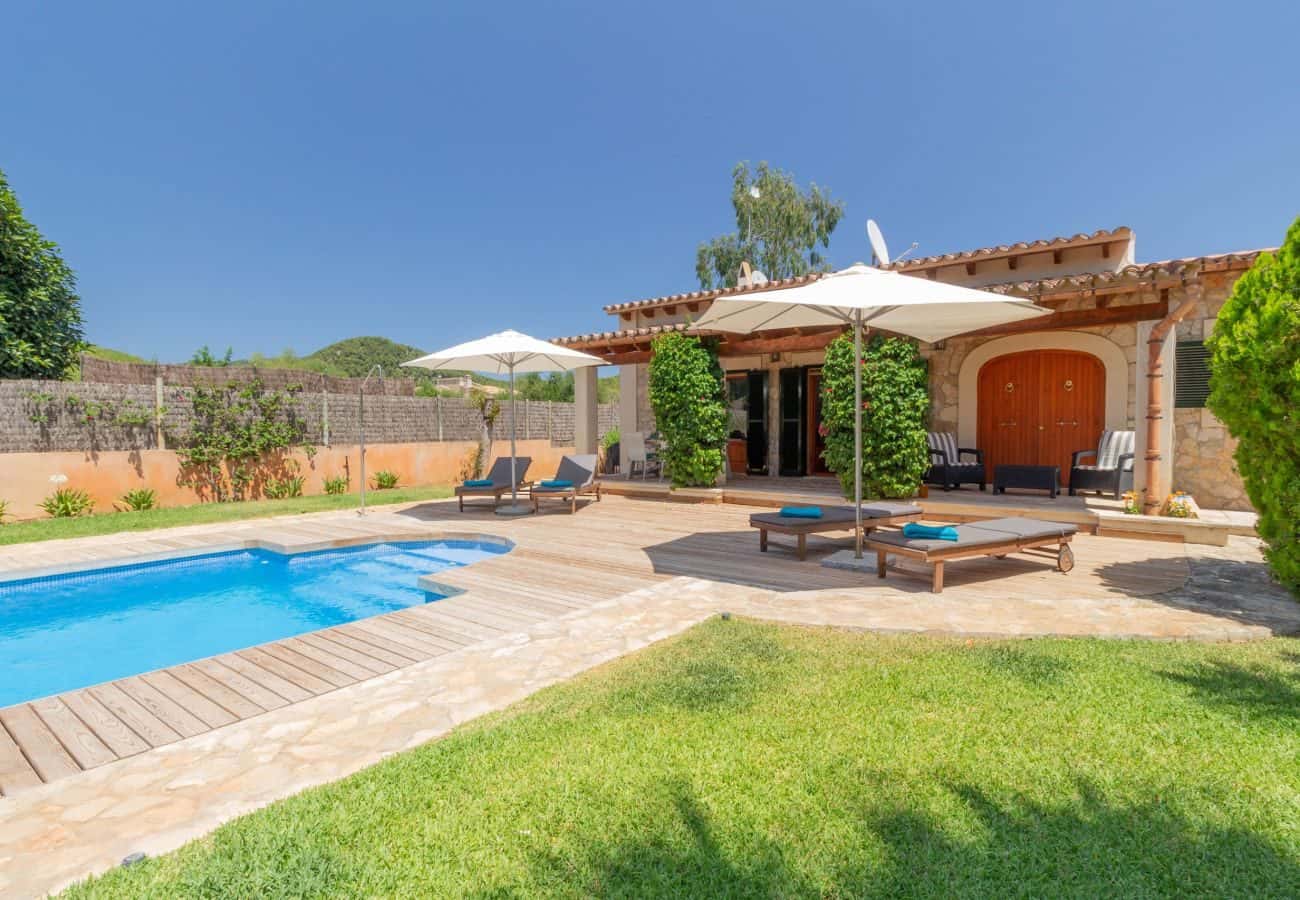
Vista Verde
near Pollença (North)
- 6 guests
- 3 bedrooms
- 3 bathrooms
Registration no.: ETV/4875
per night
€221.14 – €574.96
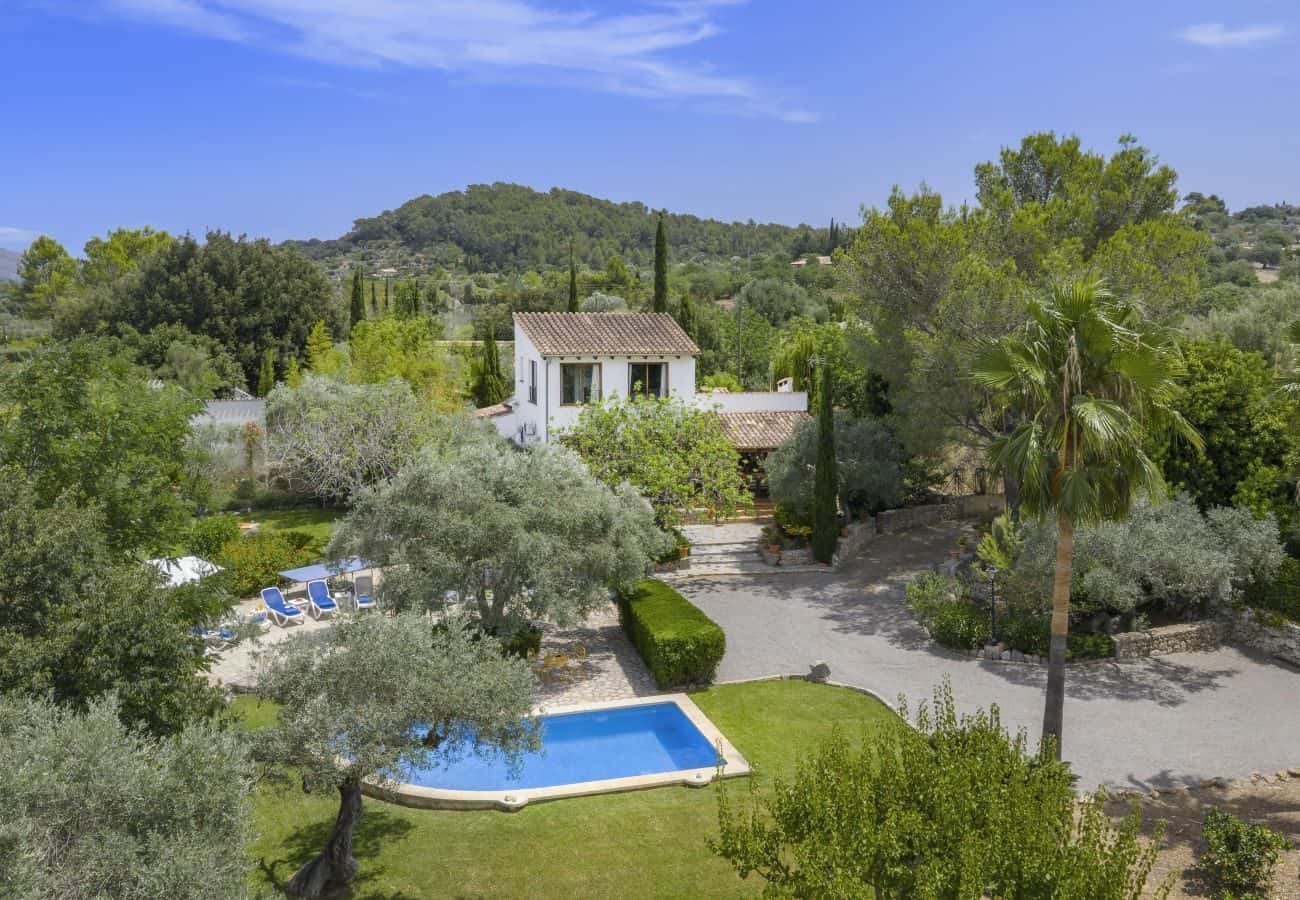
Cal Perdiu Vell
near Pollença (North)
- 6 guests
- 3 bedrooms
- 3 bathrooms
Registration no.: ETV/8616
per night
€252.11 – €671.42
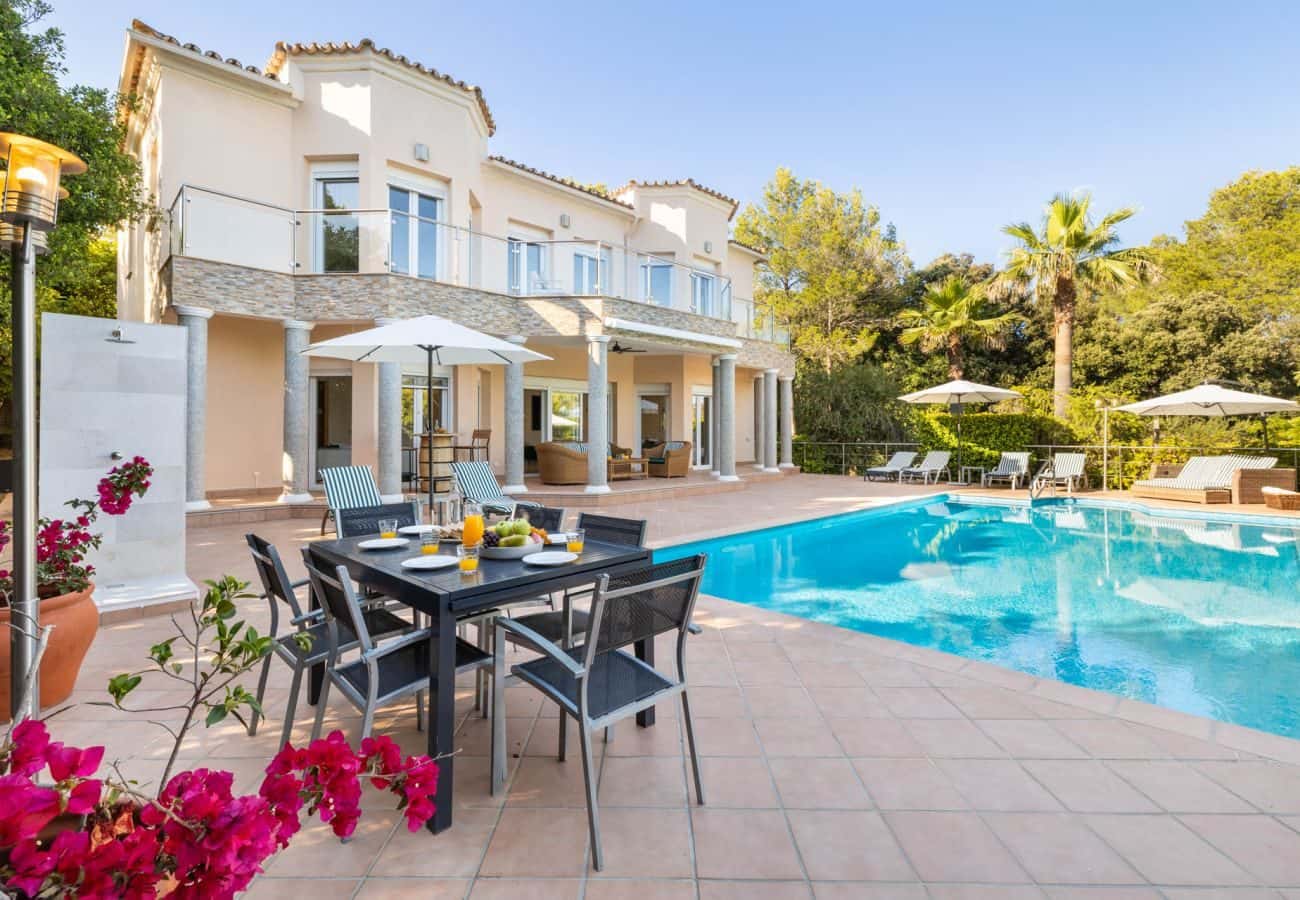
Villa Verde Subach
near Pollença (North)
- 8 guests
- 4 bedrooms
- 5 bathrooms
Registration no.: ETV/10057
per night
€336.13 – €886.55
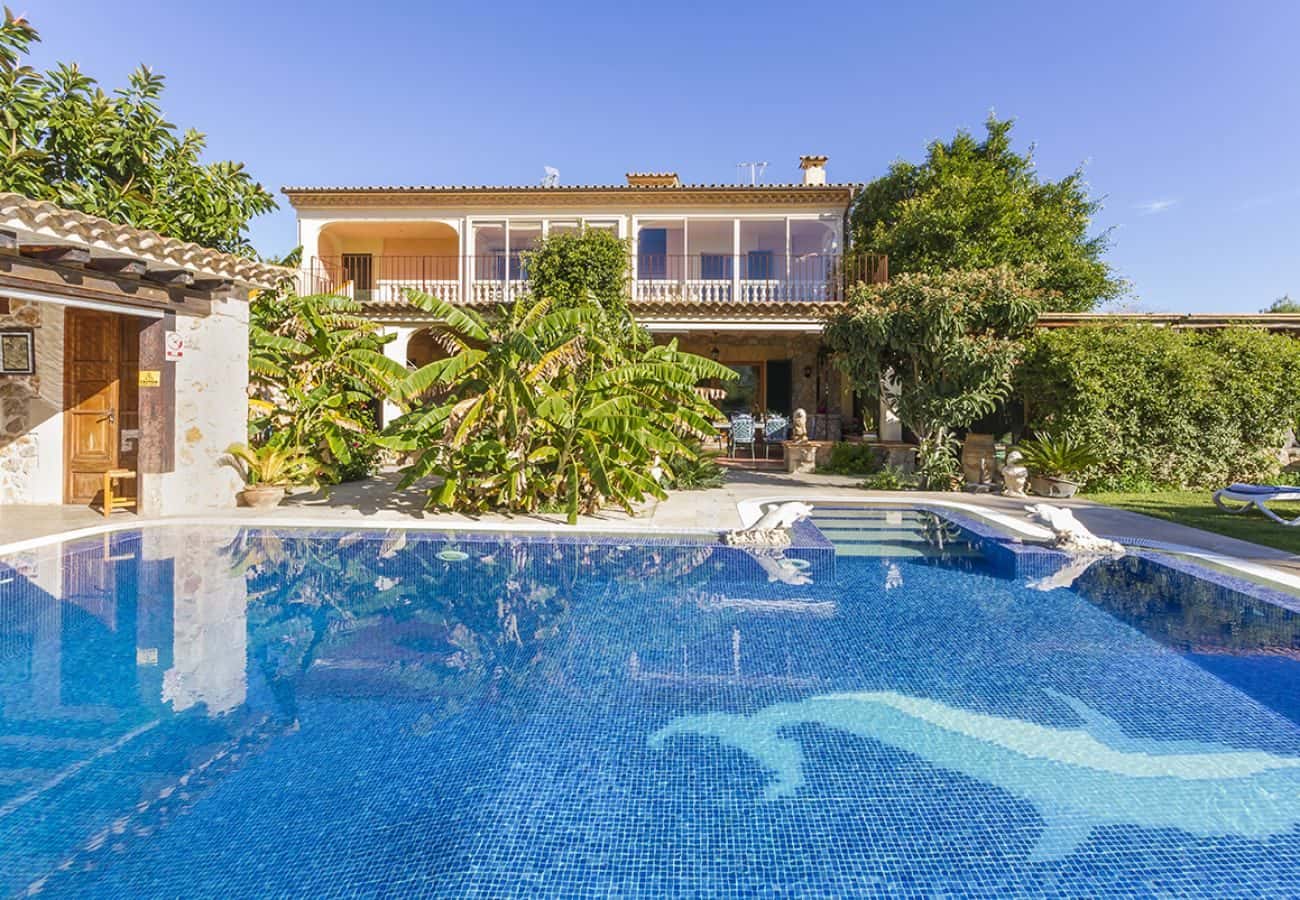
Can Josep
near Pollença (North)
- 8 guests
- 4 bedrooms
- 4 bathrooms
Registration no.: ETV/2445
per night
€423.98 – €878.25
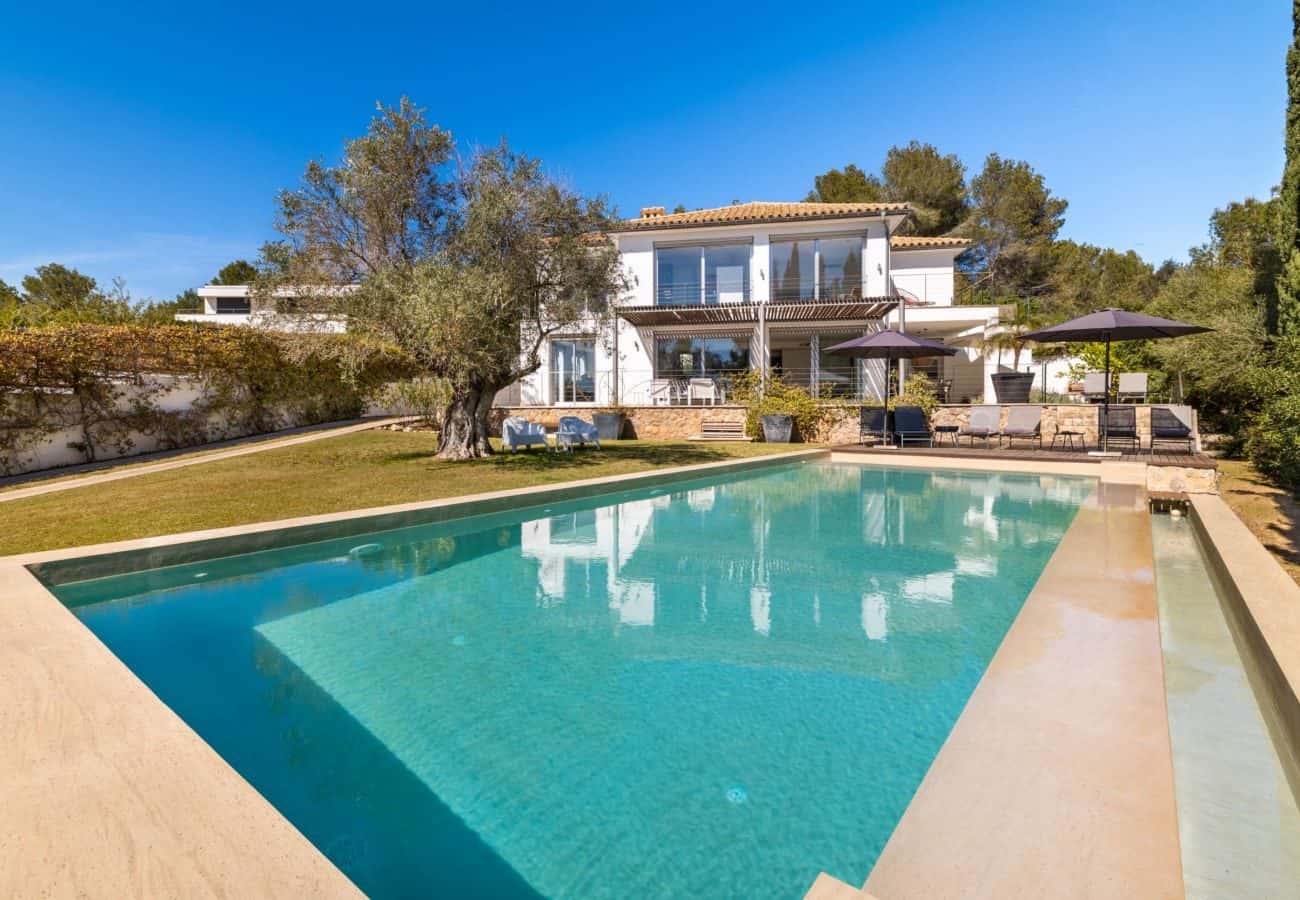
Villa Vista
near Pollença (North)
- 8 guests
- 4 bedrooms
- 4 bathrooms
Registration no.: ETV/10049
per night
€450.42 – €1,029.41
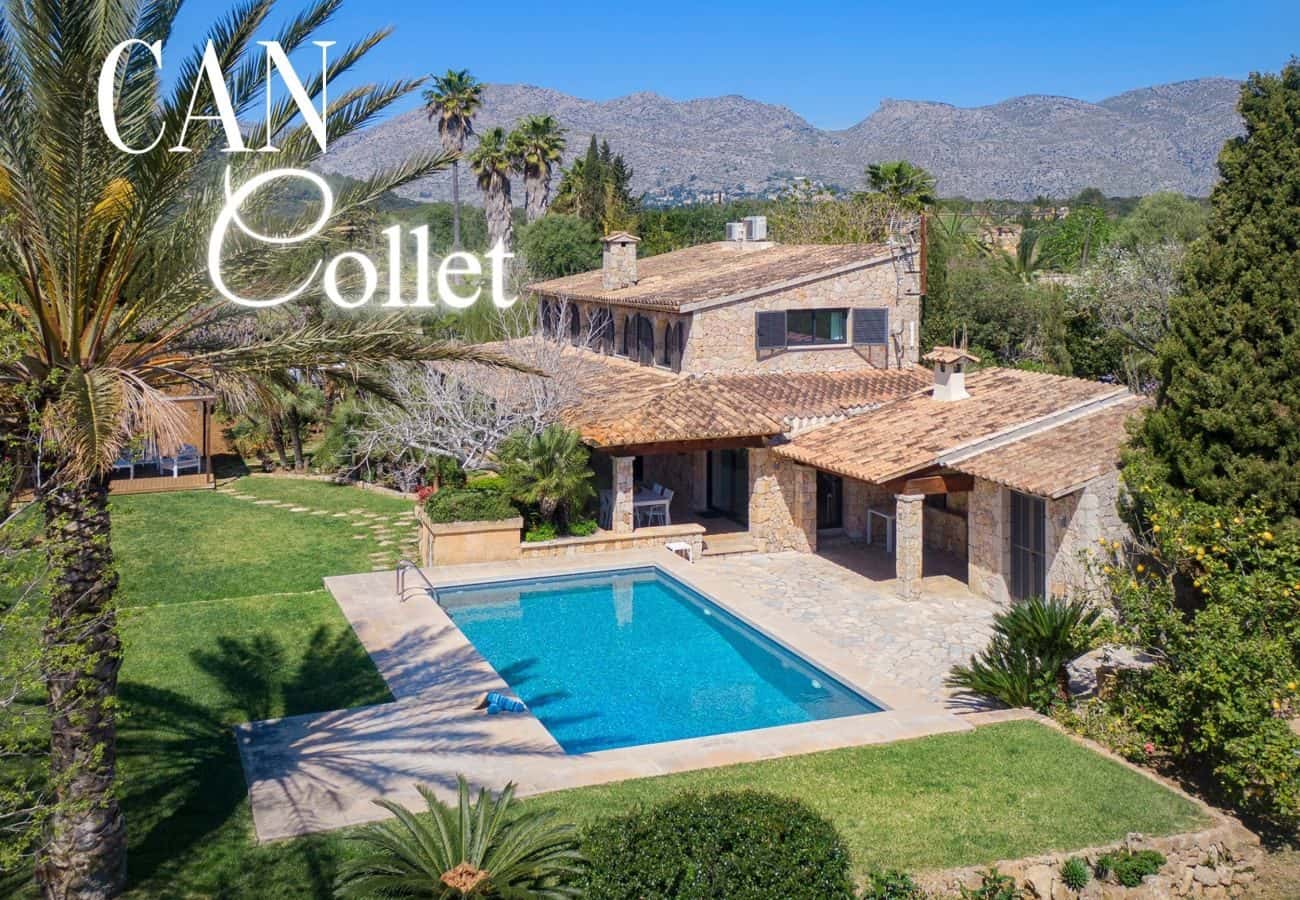
Can Collet
near Pollença (North)
- 6 guests
- 3 bedrooms
- 2 bathrooms
Registration no.: ETV/11408
per night
€478.99 – €1,260.51
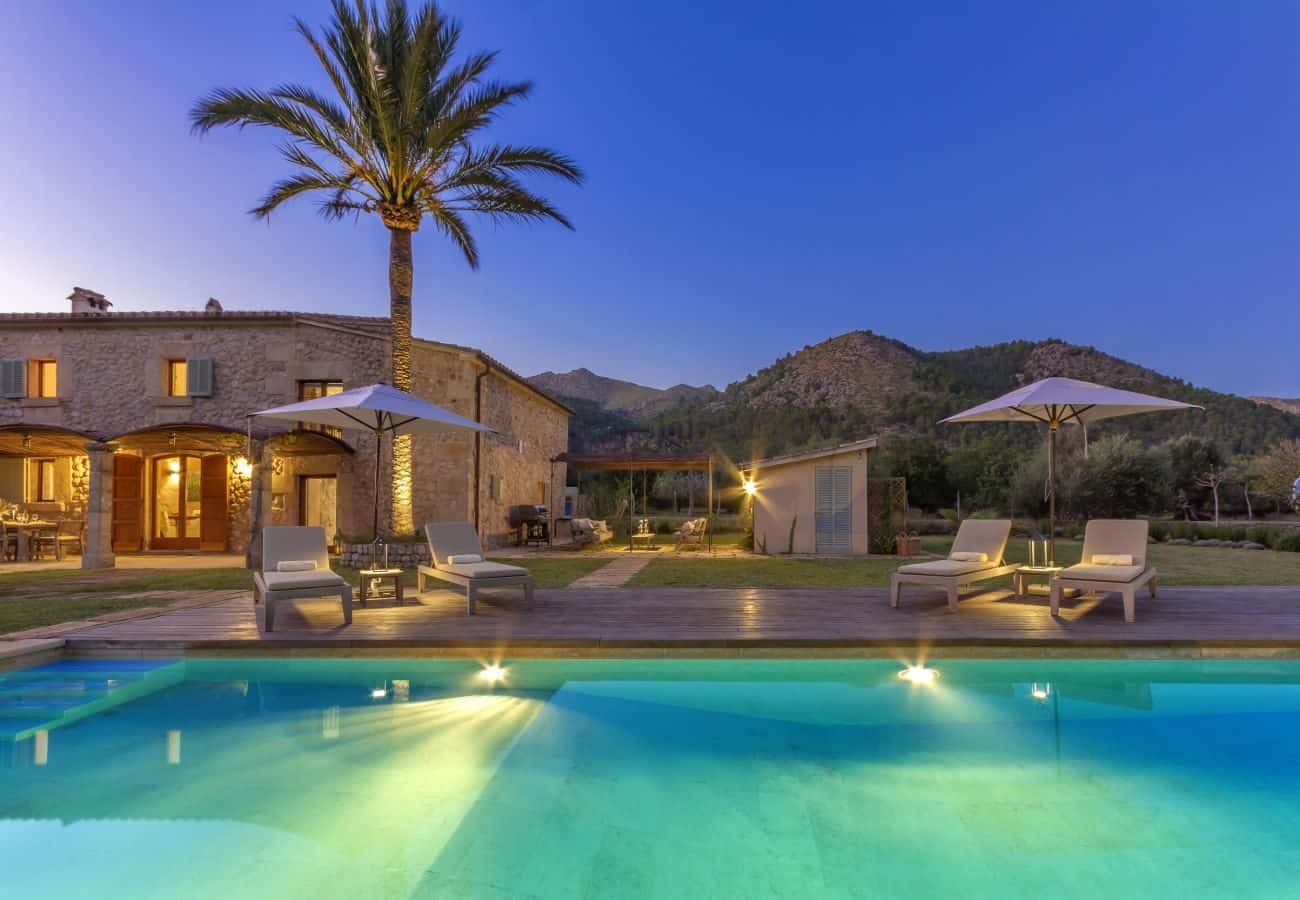
Can Pau
near Pollença (North)
- 8 guests
- 4 bedrooms
- 4 bathrooms
Registration no.: ETV/11866
per night
€533.61 – €1,260.51
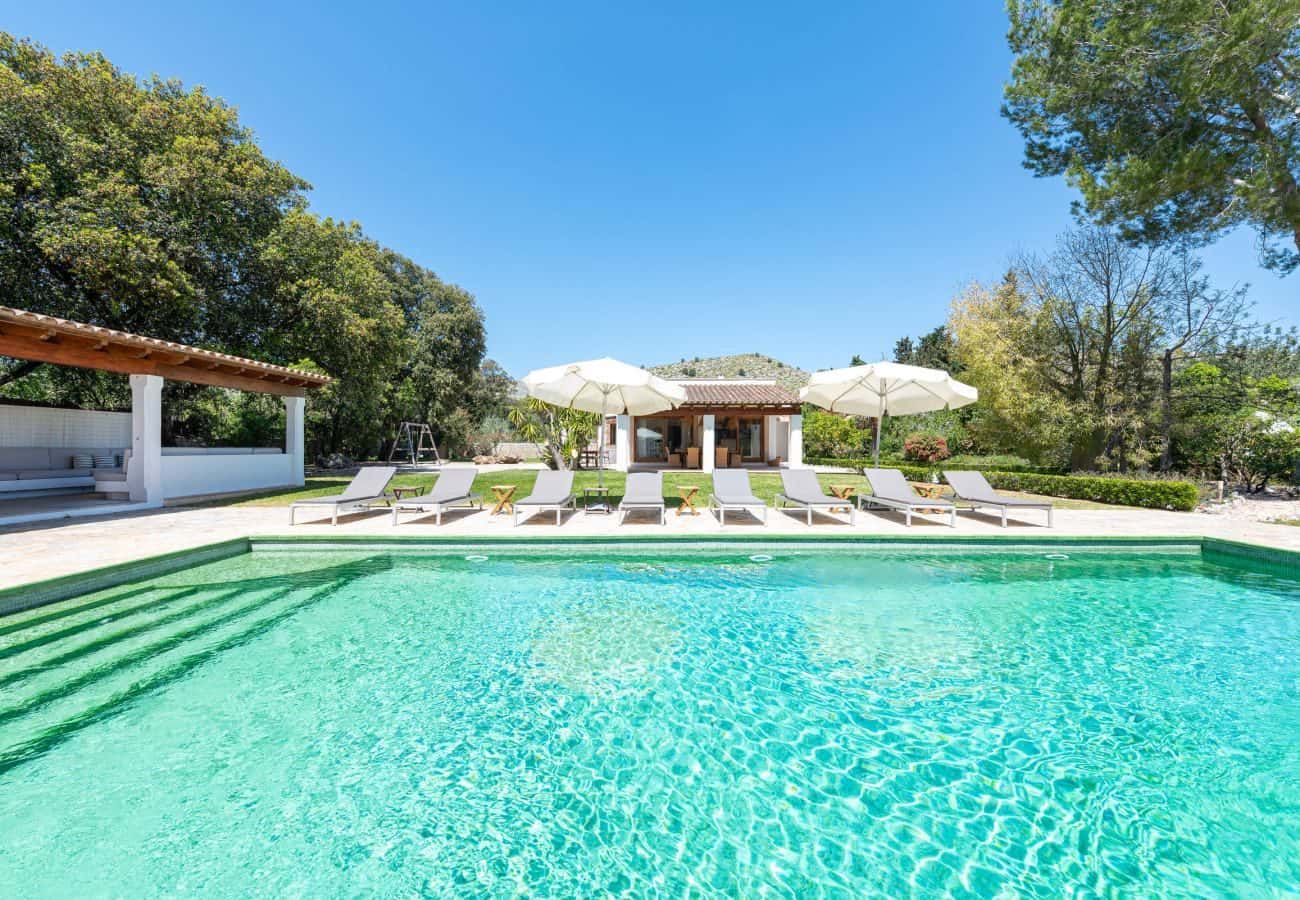
Cal Rei Gran
near Pollença (North)
- 12 guests
- 5 bedrooms
- 5 bathrooms
Registration no.: ETV/2637
per night
€714.28 – €1,806.72
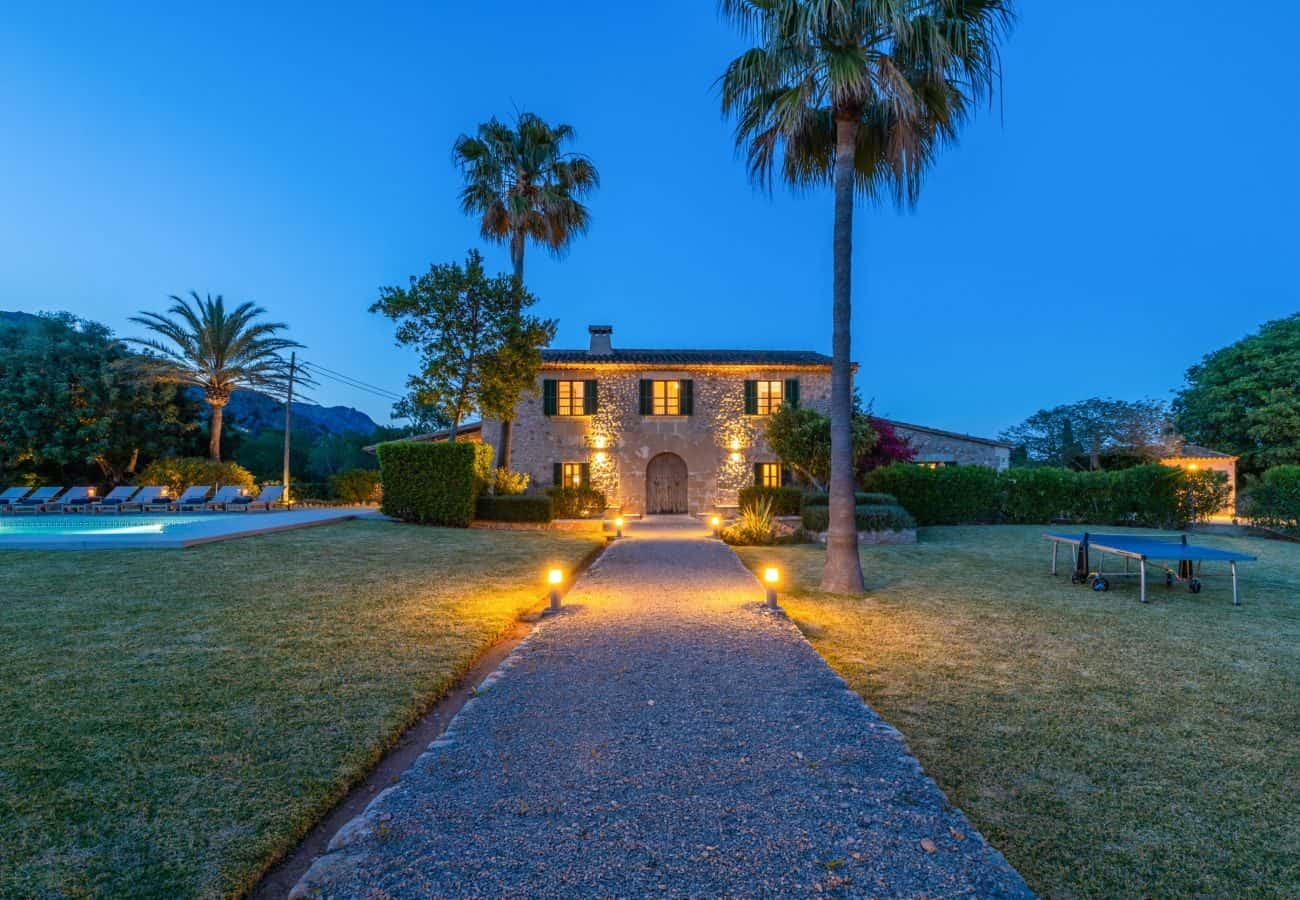
Can Corme
near Pollença (North)
- 10 guests
- 5 bedrooms
- 5 bathrooms
Registration no.: ETV/4866
per night
€1,075.64 – €2,008.40
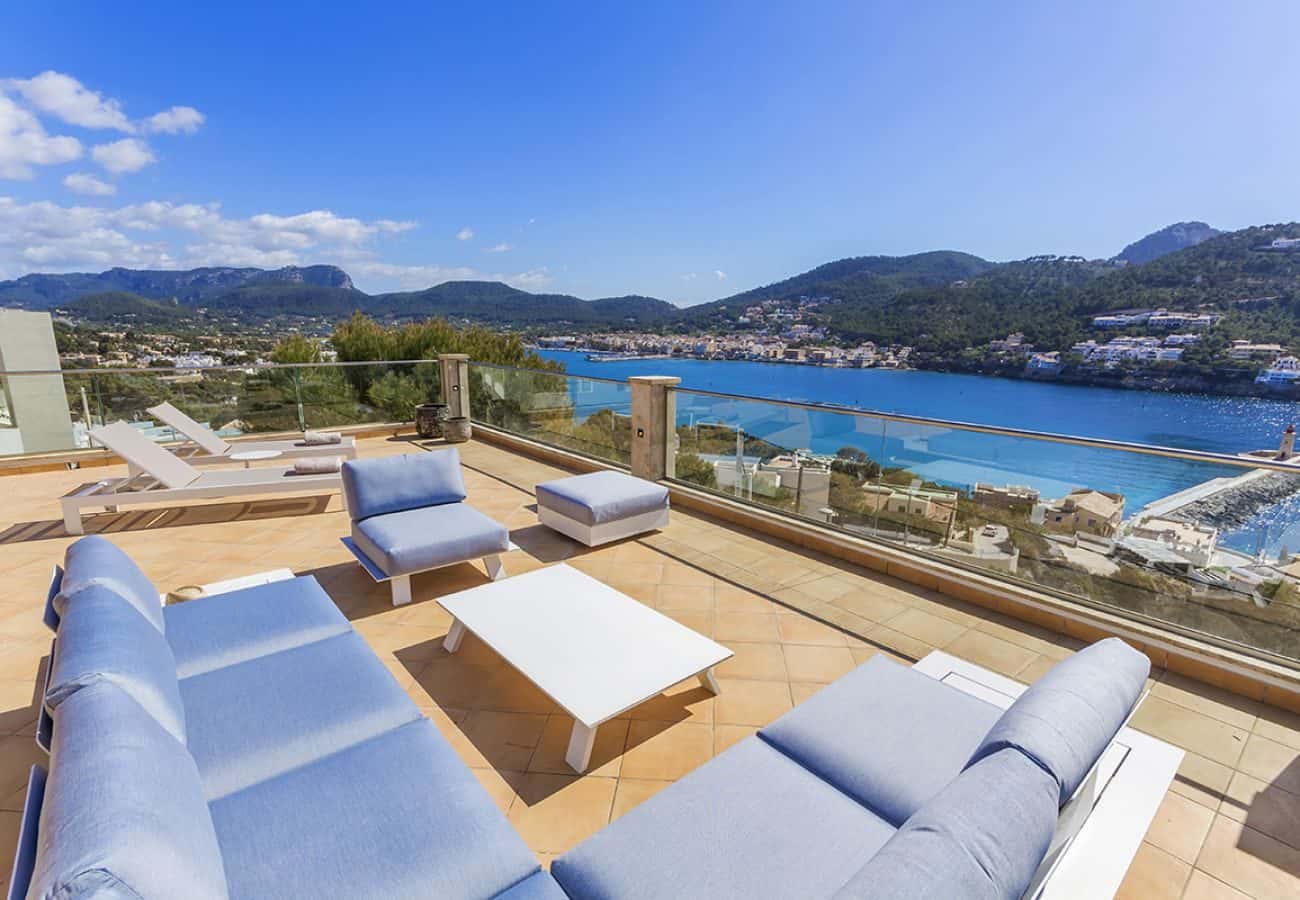
Villa Views Port Andratx
near Andratx (West)
- 7 guests
- 4 bedrooms
- 3 bathrooms
Registration no.: ETV/9286
per night
€1,176.47 – €1,848.74
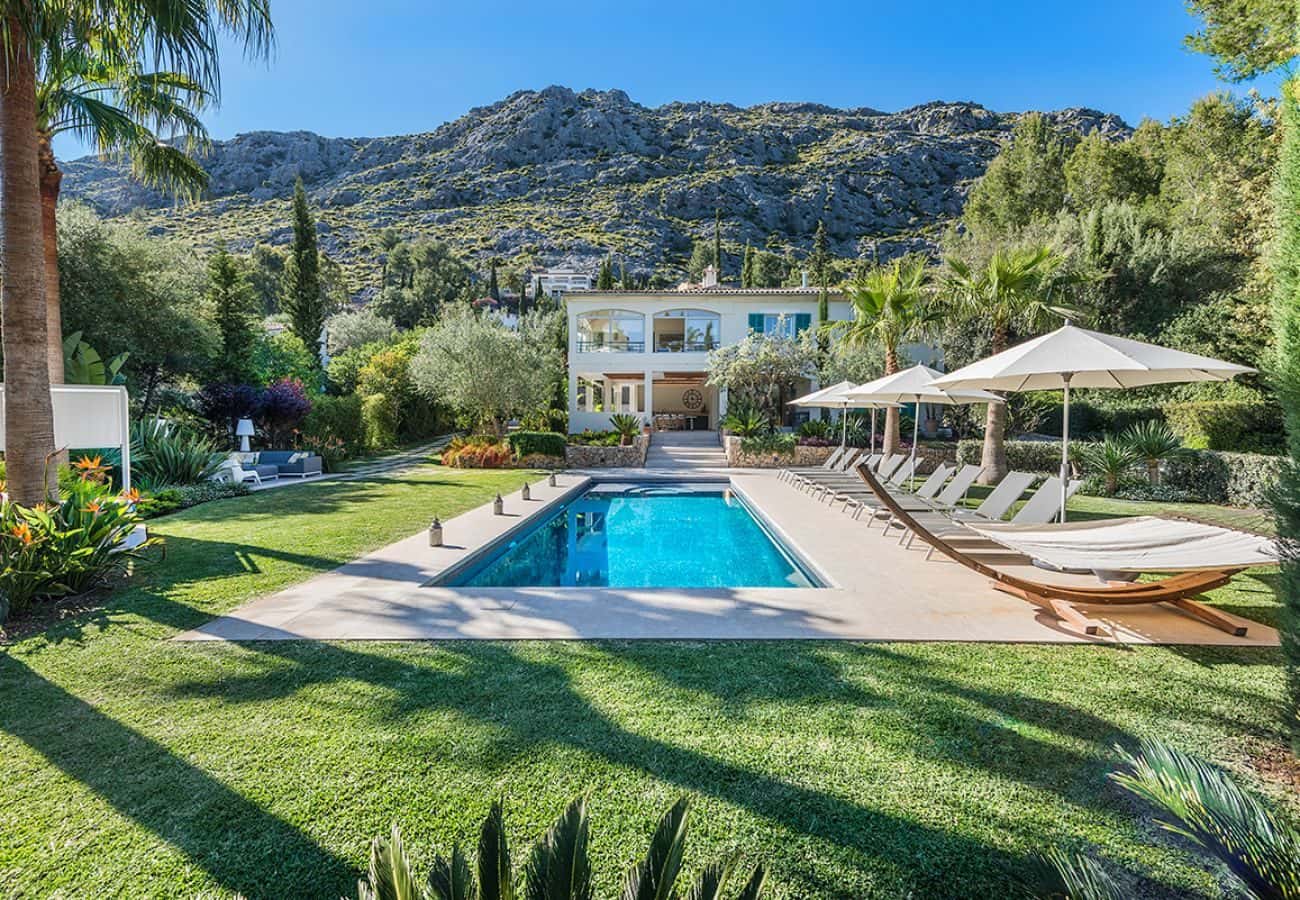
Villa Longa
near Pollença (North)
- 10 guests
- 5 bedrooms
- 5 bathrooms
Registration no.: ETV/312
per night
€1,310.93 – €1,899.16
There are currently no holiday homes listed here for Manacor.
Manacor at a glance
Weather

23.7 °C
Sunny
Hourly forecast

14 °C
13%

14.5 °C
23%
14.3 °C
24%
15.4 °C
26%
15.6 °C
26%
15.3 °C
25%
17 °C
20%

19.5 °C
15%

21.1 °C
12%
22.3 °C
8%
23.3 °C
9%
23.4 °C
8%

23.7 °C
4%
23.7 °C
2%
- Next hour
22.9 °C
1%
21.7 °C
1%
18.4 °C
2%

17.1 °C
5%
16.8 °C
4%
16.4 °C
8%
15.1 °C
12%
15.8 °C
7%
Forecast for the coming days
Sunday
Overcast07:0717:549%23.7°13.9°Monday
Overcast07:0817:5312%23.4°14.4°Tuesday
Sunny07:1017:519%23.8°14.9°Wednesday
Overcast07:1117:5014%22.1°15.9°Thursday
Sunny07:1217:4936%21.8°14.7°Friday
 Patchy rain nearby07:1317:4862%21.7°14.2°
Saturday
Sunny07:1417:479%20.9°14.8°Sunday
Partly cloudy07:1517:4536%20°14.2°Monday
Patchy rain nearby07:1617:4457%18.3°13.3°Tuesday
Patchy rain nearby07:1717:4364%19°12.8°Wednesday
Partly cloudy07:1817:4237%18.2°13.1°Thursday
Patchy rain nearby07:2017:4149%18.1°13.6°Friday
Sunny07:2117:4036%19°12°Saturday
Partly cloudy07:2217:3913%21.2°11.3°
Updated: 10/25/26, 2:17 PM
Weather information without guarantee. For safety-critical decisions, consult official weather services.
Island-wide climate averages · October
Palma Airport reference station (AEMET, 1991-2020)
Sea temperature source: Puertos del Estado / Copernicus Marine Service · Bay of Palma · 2003-2022
Getting there at a glance
Palma airport
44.3 km by road · 45 min
Manacor
- Hire car or taxi
- 45 min via Ma-15
- Scheduled bus
- 501 · 401 · 411 · A42 · 416 · 417
Bus lines
| Line | Route | Departures/day | First (Mon–Fri) | Last (Mon–Fri) |
|---|---|---|---|---|
| 501 | Manacor - Campos - Palma | 626 | 06:52 | 23:10 |
| 401 | Cala Millor - Palma | 284 | 00:08 | 23:43 |
| 411 | Cala Rajada - Manacor | 115 | 00:05 | 23:55 |
| A42 | Cala Bona - Aeroport | 106 | 00:32 | 23:50 |
| 416 | Cales de Mallorca - Manacor | 102 | 07:15 | 21:08 |
| 417 | Porreres - Manacor - Son Carrió | 99 | 07:35 | 21:25 |
| 412 | Costa dels Pins - Manacor | 77 | 06:13 | 23:10 |
| 411e | Cala Rajada - Palma | 3 | 23:14 | 23:20 |
From official GTFS timetable data (TIB/SFM), without real-time information. Figures count stops within 1 km in the limited timetable dataset, not trips per operating day.
Places nearby
Straight-line distance from the town centre
- Son Talent · 1.6 km
- Son Macià · 6.3 km
- Sant Llorenç des Cardassar · 7.9 km
- Petra · 9.6 km
- Son Carrió · 9.7 km
- Vilafranca de Bonany · 10.3 km
Nearby
Straight-line distance from the town centre
Beaches
- S'Estany D'En Mas · 10.4 km
- Cala Mandia · 10.5 km
- Cala Anguila · 10.7 km
- Cala Varques · 10.7 km
- Raco S'Arena · 10.9 km
- Porto Cristo · 11.1 km
Sights
- La Caritat · 0.3 km
- Sant Josep · 0.5 km
- Sagrat Cor de Jesús · 0.5 km
- Son Pou vell · 6.7 km
- Son Peretó · 9.1 km
- cova de sa Gleda · 9.8 km
Weekly markets
- Weekly Market in Porto Cristo · Sunday · 08:00-13:00
- Weekly Market in Manacor · Monday · 08:00-13:00
Upcoming dates
- Fascist Apocalypse! - Sala La Fornal
- Theatre: IMAGINA2 - Sala La Fornal
- Cicle dijous amb humor: Guiri - Sala La Fornal
- V Festival of family theatre in Manacor: L'ombra d'una alzina - Sala La Fornal
- 5th Manacor Family Theatre Festival: El arcón de Noa workshop
- 5th Manacor Family Theatre Festival: El Arcón de Noa
- Concert: Daniel Higiénico - Sala La Fornal
- 5th Family Theatre Festival of Manacor: La Costurereta Valenta - Sala La Fornal
- 5th Manacor Family Theatre Festival: Mudança – Sala La Fornal
Map
Manacor: City Life with a Distinct Character
Imagine arriving in the late afternoon, with the shutters still closed against the afternoon heat, and inside, the scent of stone and old wood. It is precisely this feeling that makes a finca in Manacor so appealing: you are not staying in a mere holiday backdrop, but in a town with a life of its own. A holiday home in Manacor, Mallorca places you right in the middle of a service centre for the entire east of the island, with a distinctly urban everyday life that differs noticeably from the coastal resorts. Anyone who moves in here quickly senses it: this is not a dreamy village, but a self-assured Mallorcan town where history, production and everyday life hold their own side by side.
Important for orientation: Manacor refers both to the town itself and to the large municipal area surrounding it, which stretches as far as the east coast. The town lies inland, while beaches and caves belong to the municipality's coastal settlements, such as Porto Cristo, which is also administratively part of Manacor. This dual meaning explains why the exact location of an accommodation ultimately reveals more about the holiday than the place name alone. A finca on the edge of town offers a different living experience from a house in the dense old town with its narrow lanes – both have their appeal, but expectations should be aligned.
The region around Manacor was settled as early as the pre-Talayotic period, long before the present-day town emerged – anyone driving attentively through the surrounding area encounters this depth of history in several places. At the same time, Manacor remains a place with a strong local identity, shaped by the Catalan language, craftsmanship and trade, which continue to define the character of the east of the island today. For the municipality, the town of Manacor also serves as a point of reference for Porto Cristo and the coves, making it a practical base without losing its own character. Those seeking this mix of history and lived everyday life will find in a finca a retreat that is closer to the real Mallorca than many holiday developments on the coast.
Getting there and getting around
Anyone looking to rent a finca in Manacor benefits from a location that is anything but remote. From Palma Airport, the Ma-15 runs straight through the centre of the island; Manacor is around 51 kilometres away. The route from Palma’s centre is also manageable at about 53 kilometres, although it is not a short connection within the metropolitan area but a genuine cross-country commuting route that should be factored in. Choosing a finca in Manacor means being on one of the island’s main east-west arteries, well connected yet still removed from the bustle of the capital.
In the town itself, you can get surprisingly far without a car, as the church, squares and shopping streets are clustered closely together in the centre. Manacor is also a public transport hub, with the Estació de tren 1 to 3 and Sa Mora stops all located right in the heart of the action. My tip: if you use the finca as a base and only want to visit town for an afternoon, leave the car on the outskirts and walk the last few metres – the narrower streets of the older centre, with their through traffic and commercial traffic, are not ideal for relaxed parking anyway.
Towards the coast, it is worth looking at the small access roads away from the main routes. For example, two side roads branch off the main road between Porto Cristo and Calas de Mallorca towards Cala Anguila, and there is a bus stop right by the beach if you want to leave the car at the finca. This makes it easy to plan the day flexibly: market and town atmosphere in the morning, salt water and peace in the afternoon.
Beaches and Coves of the Coastal Municipality
Anyone looking for a holiday apartment in Manacor quickly realizes that the sea is not on the doorstep, but belongs to the municipality's coastal towns, separated from the inland center. Cala Anguila is considered a well-known bathing cove in the municipality of Manacor, easy to reach and popular with day-trippers. Things are quieter at Cala Varques, whose main beach measures around 90 meters and has retained a touch of its original character. My tip: Those who set off early in the morning can still find a spot there before the day gets busy.
A little farther south, smaller, more irregular coves await discovery. According to Cales de Mallorca, the sandy area of Cala Antena measures about 85 by 25 meters; the cove itself forms the end of a sea inlet extending around 170 meters inland. Fine sand and a sandy shoreline with seasonal lifeguard supervision make it suitable for families, although that is no guarantee for every day. Around Es Domingos Grans i Petits are further coves such as Cala Murada or the shores north of Cales de Mallorca, which are ideal for exploring along the coast. In the village of Cales de Mallorca itself, larger stretches of coast outside the actual coves are hardly accessible, which can sometimes make the routes between the beach, shops and accommodation more strenuous, especially on sloping terrain.
For those who prefer hiking to parking, Cala Serralot is worthwhile: a destination with around 40 meters of beach length that serves more as a stop on a coastal hike with a swimming break than as a fully equipped beach day. The Balearic beach catalogue expressly advises against anchoring there. Algar, too, with its good 70 meters in length and around 6 meters in width, is changeable: rocks, stones, Posidonia and occasional sand shape the ground, while dense Posidonia meadows grow underwater. Those wishing to combine the peace of these wilder coves with the comfort of a finca in the region will find plenty of reasons here to stay longer than originally planned.
Between bell tower and stalactite caves
Right in the centre rises the bell tower of the parish church of Nostra Senyora dels Dolors, Neo-Gothic and an eye-catcher from afar. Construction began in the 19th century, on the site of older places of worship, and some chapels as well as parts of the previous building have survived the centuries. The history of this place goes back even further: the present parish church stands where a mosque once stood. Standing before the façade, one can almost physically sense these layers of time, even if little of them remains visible. Nearby, the Torre de ses Puntes offers another testament to past eras: fortified architecture from the late Middle Ages, striking a very different note from the nave next door.
Those wishing to delve deeper into the city’s history will find a historical museum in the Torre dels Enagistes, which is by no means intended as a casual stopover. It is worth taking time here, as the collection noticeably enriches a stay in the city—more a museum visit than a quick glance through the window. For those interested in archaeology, this visit combines well with Son Peretó, while tennis fans and families will find a much more accessible counterpoint to churches and archaeological collections at the Rafa Nadal Museum. My tip: anyone wanting to combine both in one day should start early, as the distances between the old town, the museum and the destinations farther afield are greater than the compact town centre initially suggests.
Not far from here, on the coast, the Coves del Drac near Porto Cristo await with their stalactite formations and an underground lake, probably the island’s best-known natural attraction. The rhythm of the day changes noticeably: in the centre, urban history and religious architecture take centre stage, while on the coast, harbour scenery and more heavily developed tourist destinations do. It is precisely this combination that makes such a day so appealing: narrow lanes and church naves in the morning, then down to the sea in the afternoon. From a finca in the area, this change can be planned in a pleasantly relaxed way, with enough time for both.
Weekly rhythm between market and shops
Anyone strolling through the town centre on Thursdays or Fridays quickly notices: this is not geared towards tourists, but towards shopping for the region. Supermarkets, grocery stores, fashion retailers, furniture and home furnishing shops, along with cafés, bakeries, hairdressers and beauty businesses, line up alongside one another – a shopping centre for households from the entire surrounding area, quite unlike the coastal resorts, which are primarily geared towards holiday needs. This mix of useful and everyday offerings gives the place its own unassuming energy.
The highlight of the week is Monday: the town centre between Plaça Ramon Llull and the church of Mare de Déu dels Dolors then becomes an extensive shopping corridor stretching along the streets of Jaume Domenge and Mercadal – not an enclosed market square, but a network of stalls selling clothing, shoes, leather goods, flowers, plants, handicrafts, as well as food and delicacies. At the same time, Plaça de la Constitució offers its own area for fruit and vegetables. This weekly market operates year-round, including in winter, and is clearly sustained by its function of supplying residents, not merely by tourists looking at it. My tip: if you want to enjoy the market atmosphere at leisure, it is best to come in the morning, before the lanes around the parish church fill with people. In any case, you should not drive right up to the church in the centre, as the older streets there are narrower and very busy on market days.
For everyday shopping away from the bustle of the market, it is worth taking a stroll around Plaça Ramon Llull, the parish church and the adjoining shopping streets. Fashion shops, food retailers, cafés, bakeries and small service providers line up there; it is not a mere souvenir district, but everyday life in action, with market stalls, chain branches and eateries side by side. It is precisely this mix that makes the place a pleasant base from which to replenish the pantry from your accommodation without any fuss, and without having to travel far.
Who Manacor is really suited for
Anyone coming to Manacor with children is better off planning a short walk around town rather than a long march from church to church: an afternoon between the bell tower and the lanes is usually more than enough for younger children, and the day should not consist solely of the old town and religious buildings anyway. This is precisely where the Rafa Nadal Museum comes in, serving as an accessible counterpoint to churches and archaeological collections and appealing equally to tennis fans and families. The attached Sports Centre is aimed at families with children interested in sports and anyone who would rather experience the place through activity than museum display cases. Those who choose a finca in Manacor as their base can easily combine this activity with a quiet morning by the pool before balls and rackets come into play in the afternoon.
On the coast, there is a clear difference in the character of the coves. Cala Mandia, with its fine sand and sandy entry into the water, is well suited to families as long as the sea is calm, and a lifeguard service is on duty there during the season. The Cala Serralot is quite different: it is more a hiking destination with the option of swimming than a fully equipped beach day, without accessible facilities or regular services on site. For families with small children, the trip there is worthwhile only with careful planning for the walk and the lack of infrastructure, while nature-loving families with energetic children can find the coastal hike with a swimming break rewarding. My tip: If you are travelling with toddlers, it is better to stay at Cala Mandia on calm days and save Cala Serralot for an excursion without a pushchair.
Calas Mallorca is also generally well suited to families as a holiday resort, but those travelling with a pushchair should allow for steps, slopes and hairpin bends that can make getting to the water more difficult. Underground, a different rule applies: cova de sa Gleda is not suitable as a sight for either children or families. There is no secured visitor path, no regular guided tour and no approved interior area, which is why children should never approach unknown openings, wells and unsecured sections of terrain there. Those looking for accommodation in Manacor with the whole family will therefore find a destination that combines peace and quiet by the pool, sporty afternoons and carefully chosen coastal excursions very well.
Practicalities for everyday life and getting around
Anyone planning to get around without a car should realistically assess the distances between the centre, coastal towns and sights: with several scattered destinations, planning becomes considerably more challenging without your own vehicle. In the centre itself, you can expect narrow streets from earlier times, noticeable through traffic and commercial traffic, and a parking situation that demands patience. My tip: park the car a little outside the oldest streets and walk the last few metres. That saves you both stress and the search for a parking space.
The same pattern appears on the coast on a smaller scale. At Cala Mandia, parking is free and can be found near the beach and in the streets of the residential area, but during high season, searching for a gap becomes a test of patience because occupancy is high. If you prefer things quieter, plan your beach visit for the morning or deliberately choose the low season, when Manacor and its coves experience less bustle.
Away from the coast, too, the right equipment helps: anyone combining a city walk with a detour into the surroundings of Manacor will get over cobblestones and uneven paths much more comfortably in comfortable everyday shoes. It is precisely for such days, when you set off leisurely in the morning and return without haste in the evening, that a quiet accommodation as a retreat away from the bustle of the centre pays off.
Frequently asked questions
How far is it from Palma to Manacor, and which road leads there?
From Palma's city center, it is around 53 road kilometers via the Ma-15, which connects eastern Mallorca with the capital. From the airport, the distance is reduced to about 51 kilometers, also via this route. This is not a short connection within the Palma metropolitan area, but a genuine intercity commuting route—so allow for a relaxed but noticeable travel time when commuting between the capital and the inland.
Does the weekly market also take place in winter?
Yes, the large weekly market runs all year round, including during the winter months. Every Monday, the network of lanes around Plaça Ramon Llull, the parish church of Mare de Déu dels Dolors, and Jaume Domenge and Mercadal streets fills with stalls, becoming an extensive shopping corridor. Clothing, shoes, leather goods, flowers, plants, handicrafts, as well as food and delicacies are on offer – a genuine everyday market for the whole region, not merely a tourist event.
Is Manacor itself a coastal town with its own beaches?
No, the town itself lies inland; the sea only begins at the municipality's coastal settlements. Coves such as Cala Anguila are part of the municipal area, but this stretch of coast on the east coast is noticeably separated from the centre. Those wishing to swim head out specifically, as Porto Cristo, a coastal town, also belongs to the municipality of Manacor.
Is a trip to the centre of Manacor worthwhile even without a car?
The centre is easy to explore on foot: the church, squares and shopping streets are close together, and those arriving by bus or train have several starting points right in the middle of the action with the Estació de tren 1 to 3 and Sa Mora stops. Things become more difficult as soon as you want to combine several scattered destinations in one day, such as caves on the coast and the Rafa Nadal Museum outside the old town – then planning without your own vehicle becomes noticeably more challenging, and a car is the more practical choice.
What can be combined well with a city tour?
The short tour through the old town and the parish church can be combined with the Historical Museum in the Torre dels Enagistes, and, for those interested in archaeology, also with Son Peretó. Tennis fans and families often round off the day with the Rafa Nadal Museum, which offers a more accessible counterpoint to churches and collections.
Why does the centre of Manacor feel livelier than purely holiday destinations?
Because everyday life genuinely takes place here: supermarkets, grocery stores, fashion retailers, furniture and home furnishings stores, cafés and hairdressing businesses serve the entire region, not just holidaymakers. The older centre has narrower streets with more through and commercial traffic and challenging parking conditions – those who prefer it quieter are better off parking a little further out and walking the last few metres.