
Finca in Inca: Home between the Serra de Tramuntana and Es Pla
Thursday morning, just after eight: crates are pushed across the paving stones, a trader calls across the street, somewhere the scent of sobrasada mingles with that of fresh bread. This first impression alone shows that life here does not follow the rhythm of a holiday resort in the usual sense. That is precisely why a finca in Inca is worthwhile for anyone who wants to experience Mallorca away from the beach promenade. Even during Islamic rule, when the town was still called Inkan, it was one of the island’s district and market centres, and this character has remained: the centre feels lively, bustling and, on market days, positively overflowing with activity. Those who stay here move between a baroque parish church with a medieval work of art, former wine cellars that now serve as hearty restaurants, and a shoe and leather tradition that still shapes the townscape today. This is not a place for deckchair romance, but for travellers who appreciate everyday life, craftsmanship and authentic island living. Hearty, down-to-earth, with a hint of workshop smell in the air – after all, the Cellers were not built as a pretty backdrop, but once served for storage and the wine trade. This matter-of-factness has its own appeal, especially because it is so unvarnished. Situated between the Serra de Tramuntana and the plains of Es Pla, Inca becomes a practical base for anyone who wants to keep both the mountains and the coast in view without having to choose one over the other. I’ll show you when the market is most pleasant, which churches are worth a detour and why, for excursions into the surrounding area, you are better off planning for a car than hoping for the bus. One thing in advance: anyone looking for proximity to the beach, a historic village ensemble or secluded tranquillity is in the wrong place here. But anyone seeking authentic Mallorcan town life with market bustle and a tradition of craftsmanship will quickly feel at home in this area.
We currently have no accommodation in Inca
These properties across Mallorca may suit you.
11 properties found11 Holiday rentals in Mallorca
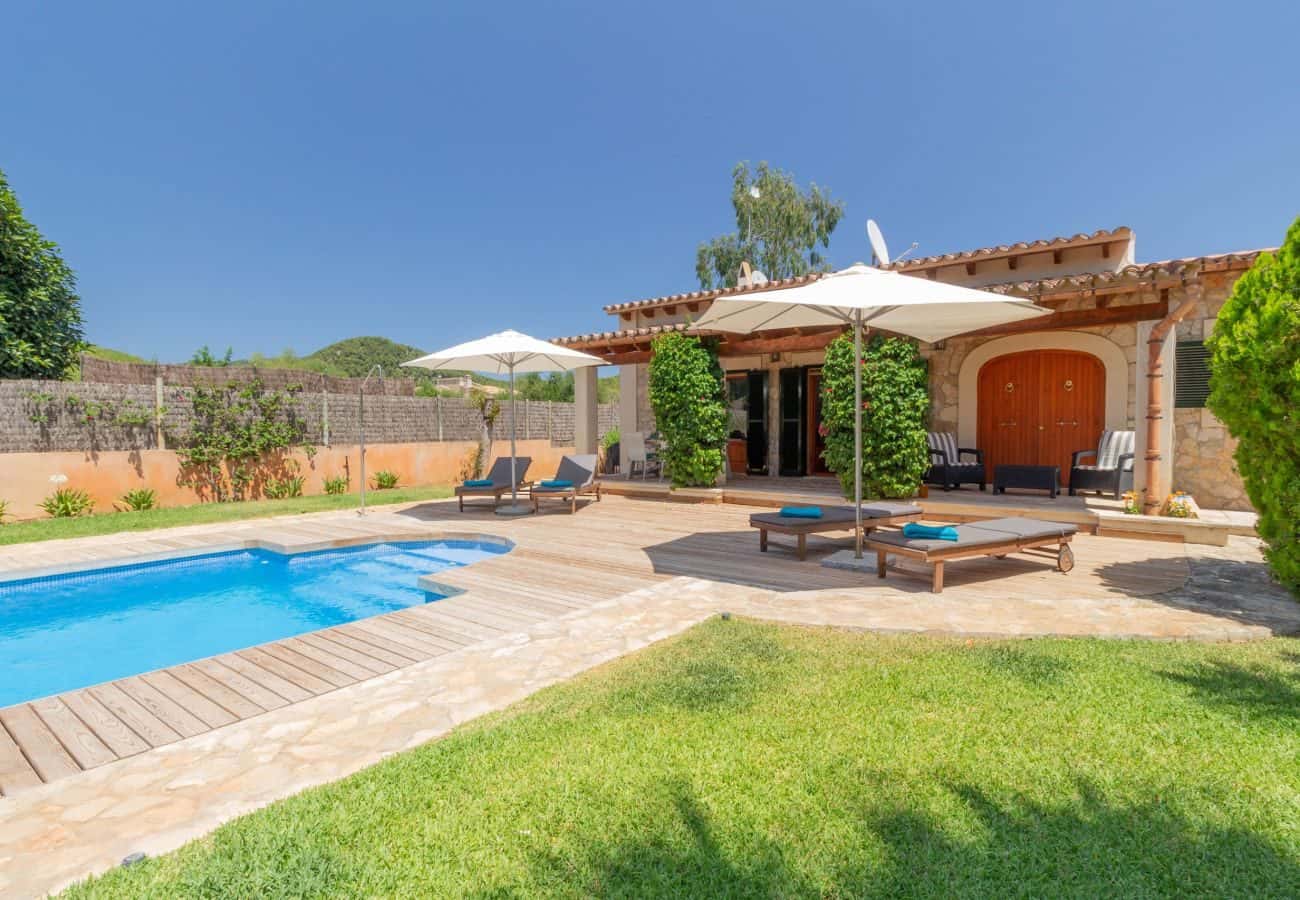
Vista Verde
near Pollença (North)
- 6 guests
- 3 bedrooms
- 3 bathrooms
Registration no.: ETV/4875
per night
€221.14 – €574.96
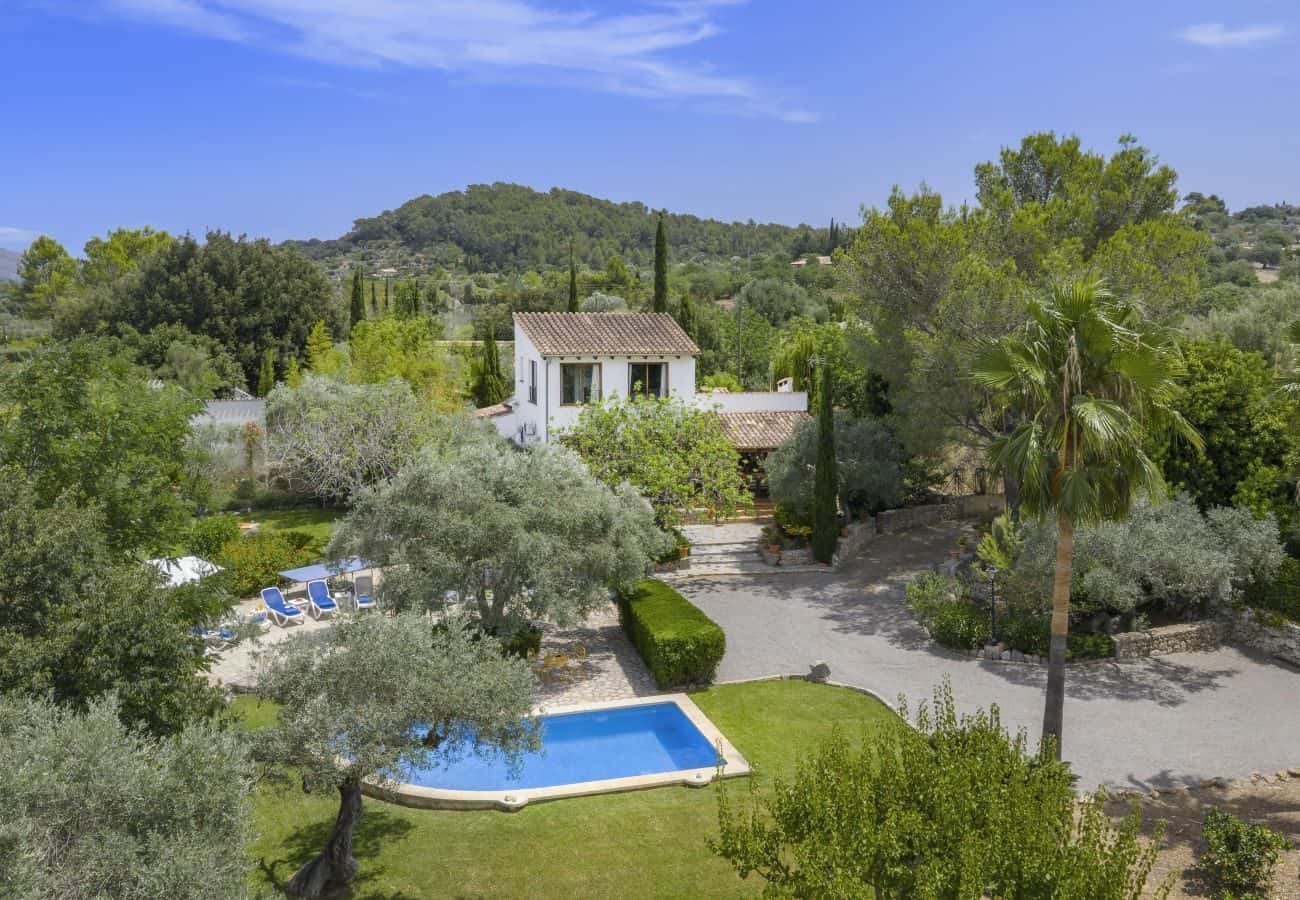
Cal Perdiu Vell
near Pollença (North)
- 6 guests
- 3 bedrooms
- 3 bathrooms
Registration no.: ETV/8616
per night
€252.11 – €671.42
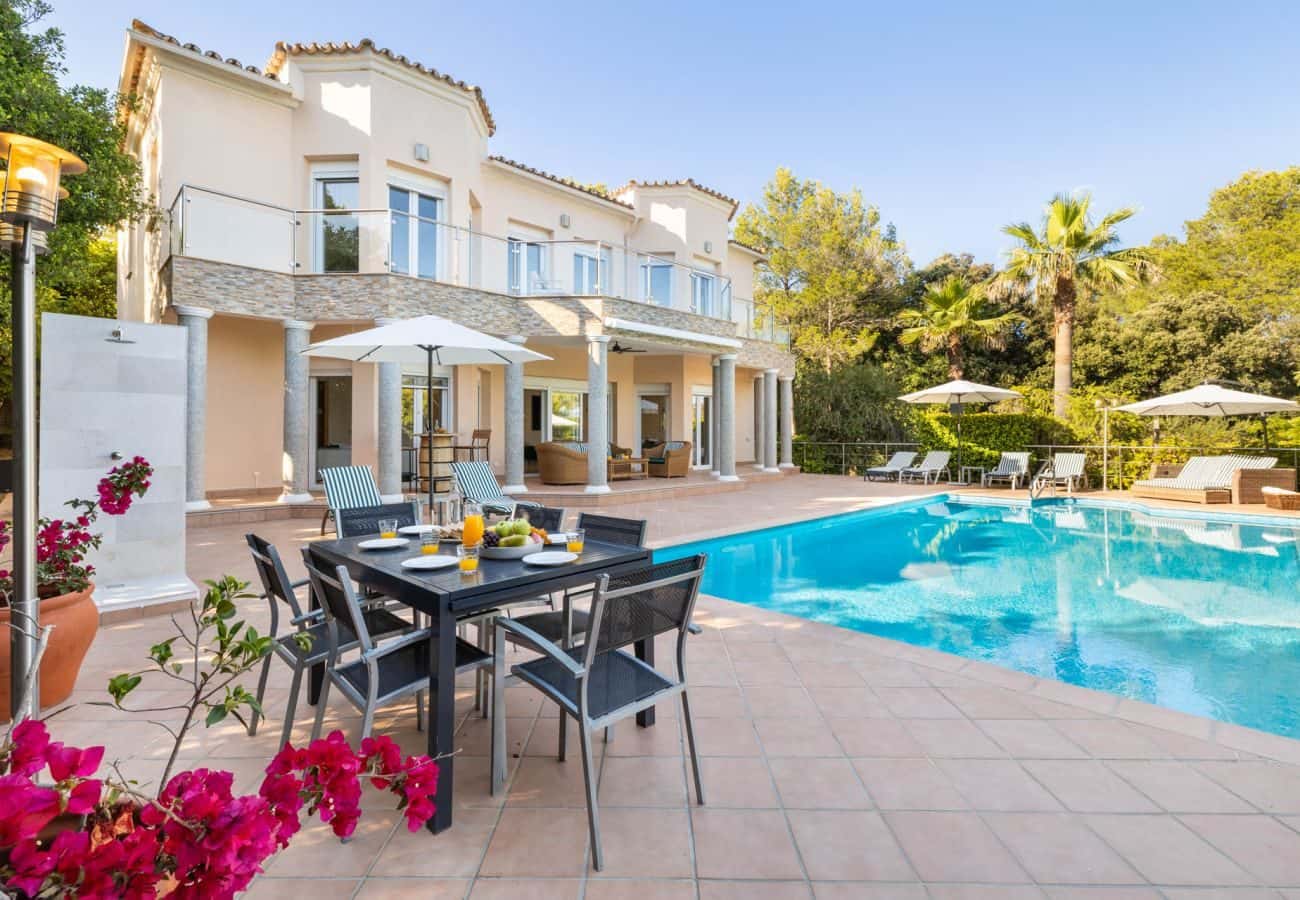
Villa Verde Subach
near Pollença (North)
- 8 guests
- 4 bedrooms
- 5 bathrooms
Registration no.: ETV/10057
per night
€336.13 – €886.55
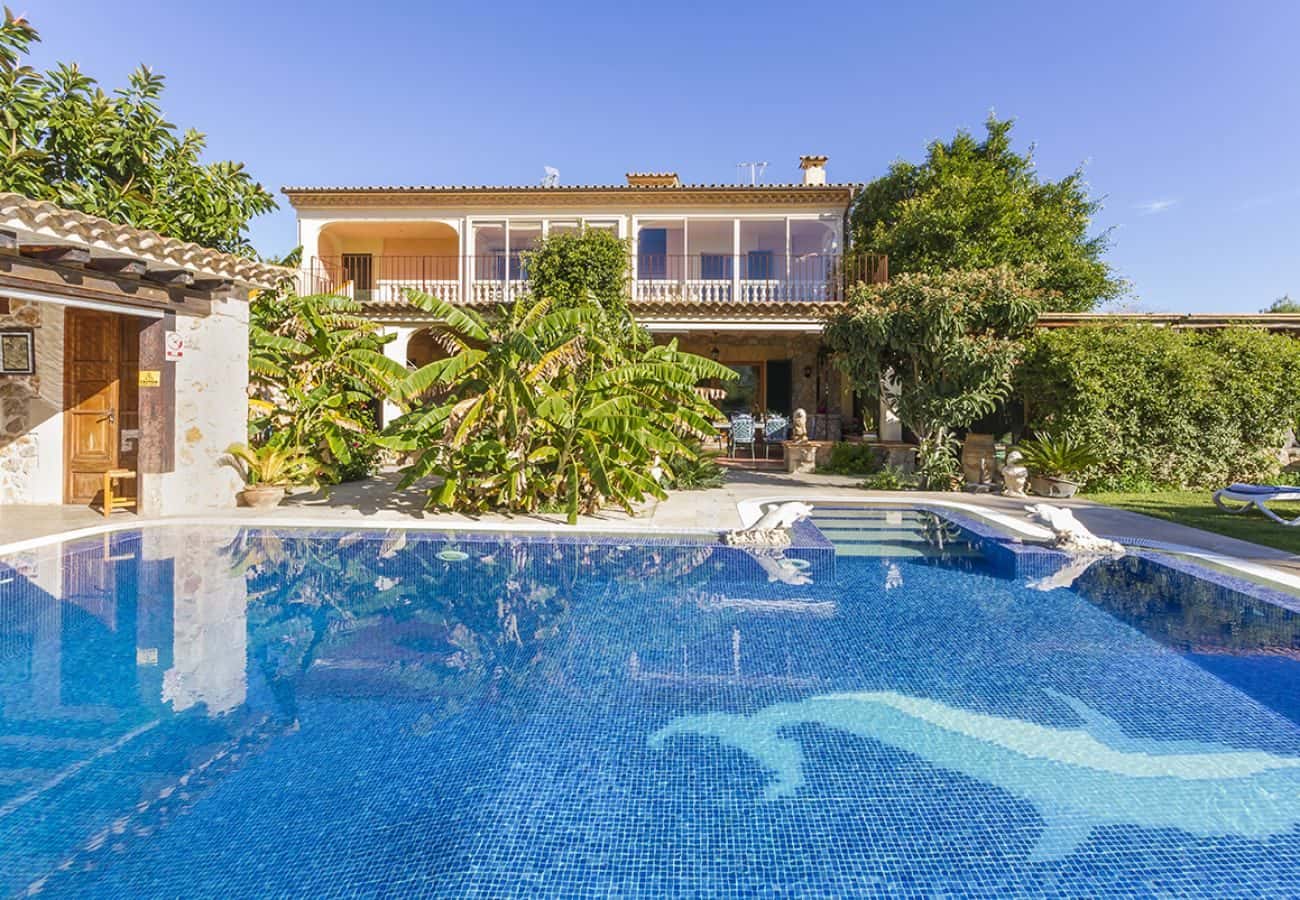
Can Josep
near Pollença (North)
- 8 guests
- 4 bedrooms
- 4 bathrooms
Registration no.: ETV/2445
per night
€423.98 – €878.25
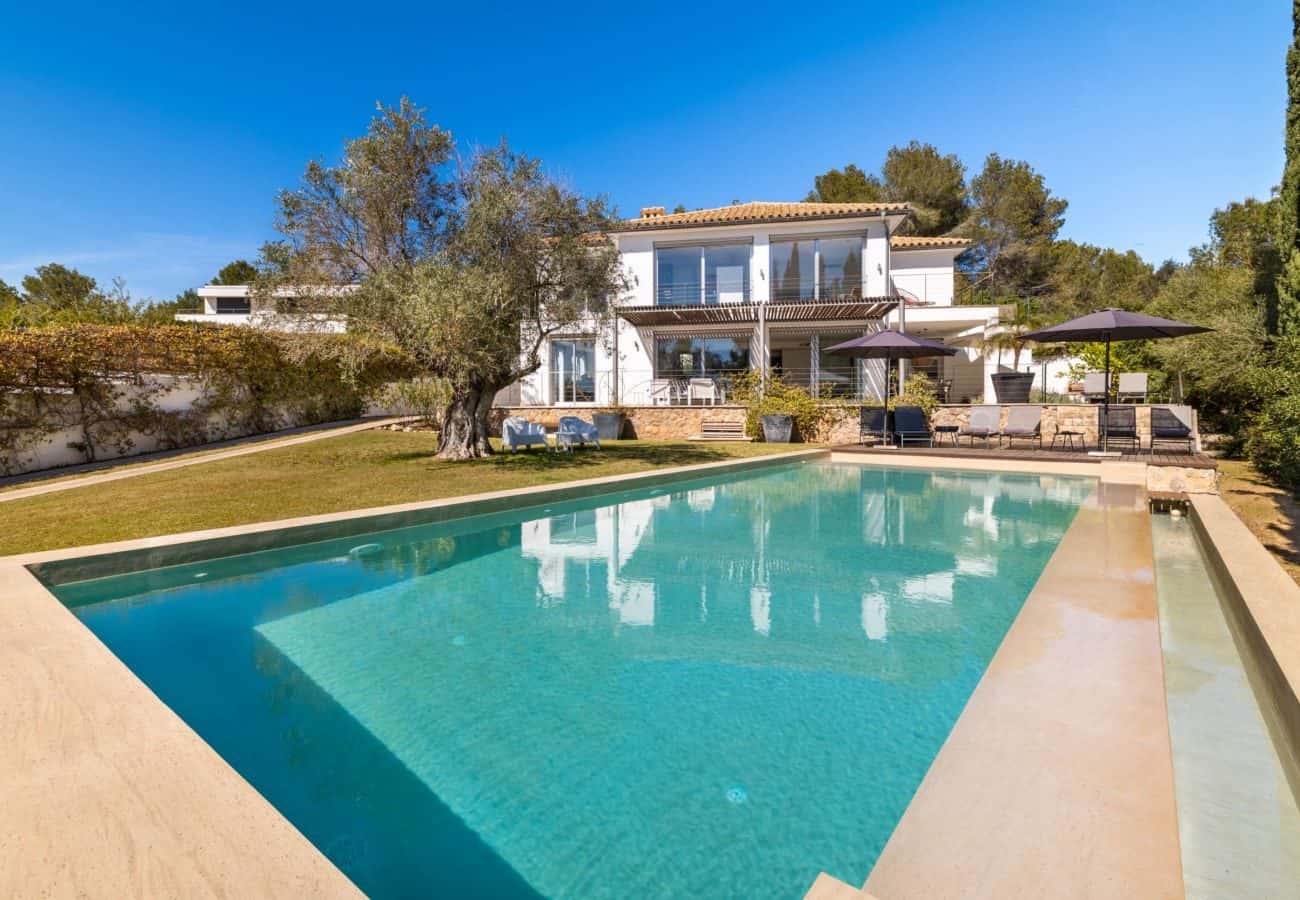
Villa Vista
near Pollença (North)
- 8 guests
- 4 bedrooms
- 4 bathrooms
Registration no.: ETV/10049
per night
€450.42 – €1,029.41
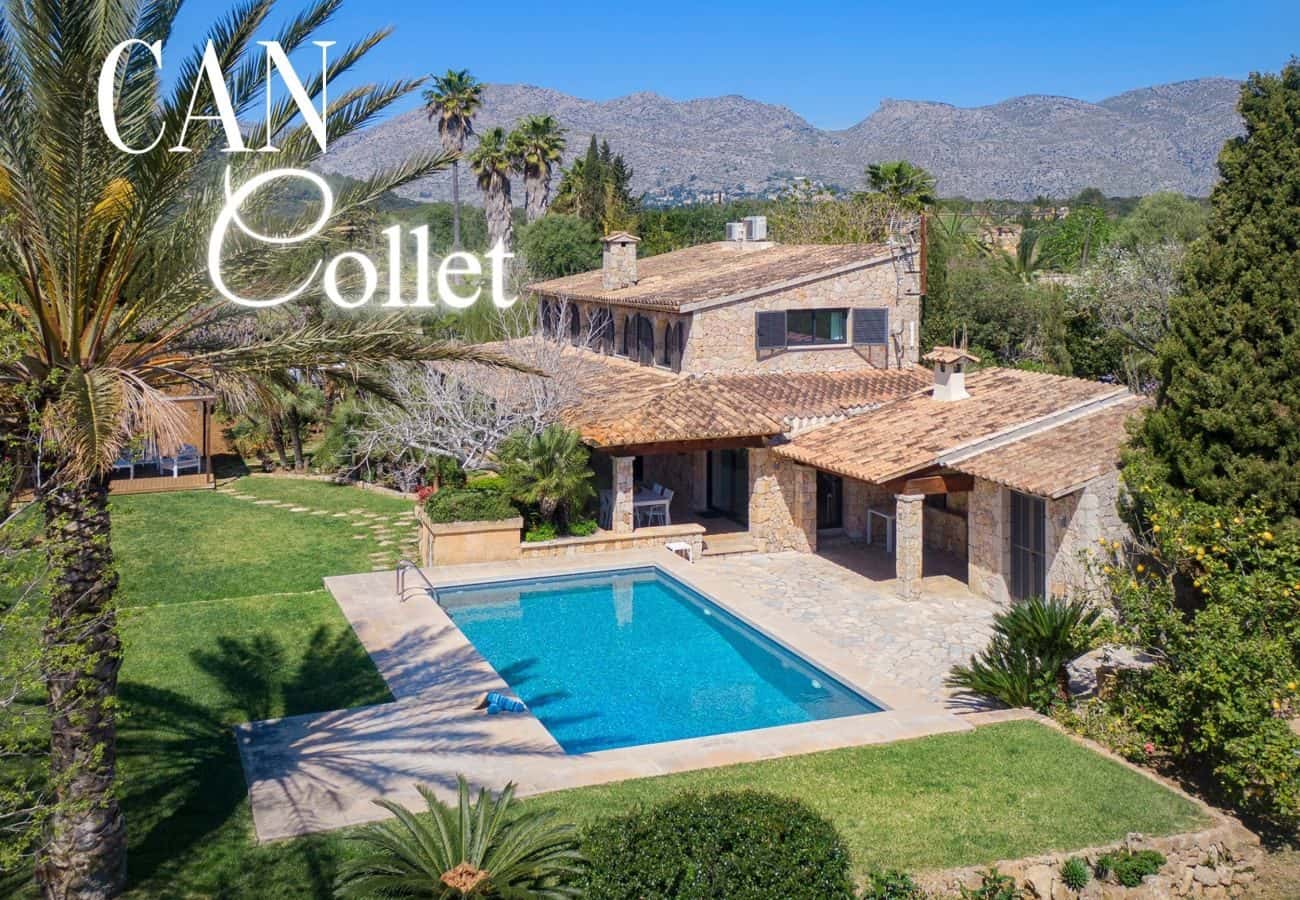
Can Collet
near Pollença (North)
- 6 guests
- 3 bedrooms
- 2 bathrooms
Registration no.: ETV/11408
per night
€478.99 – €1,260.51
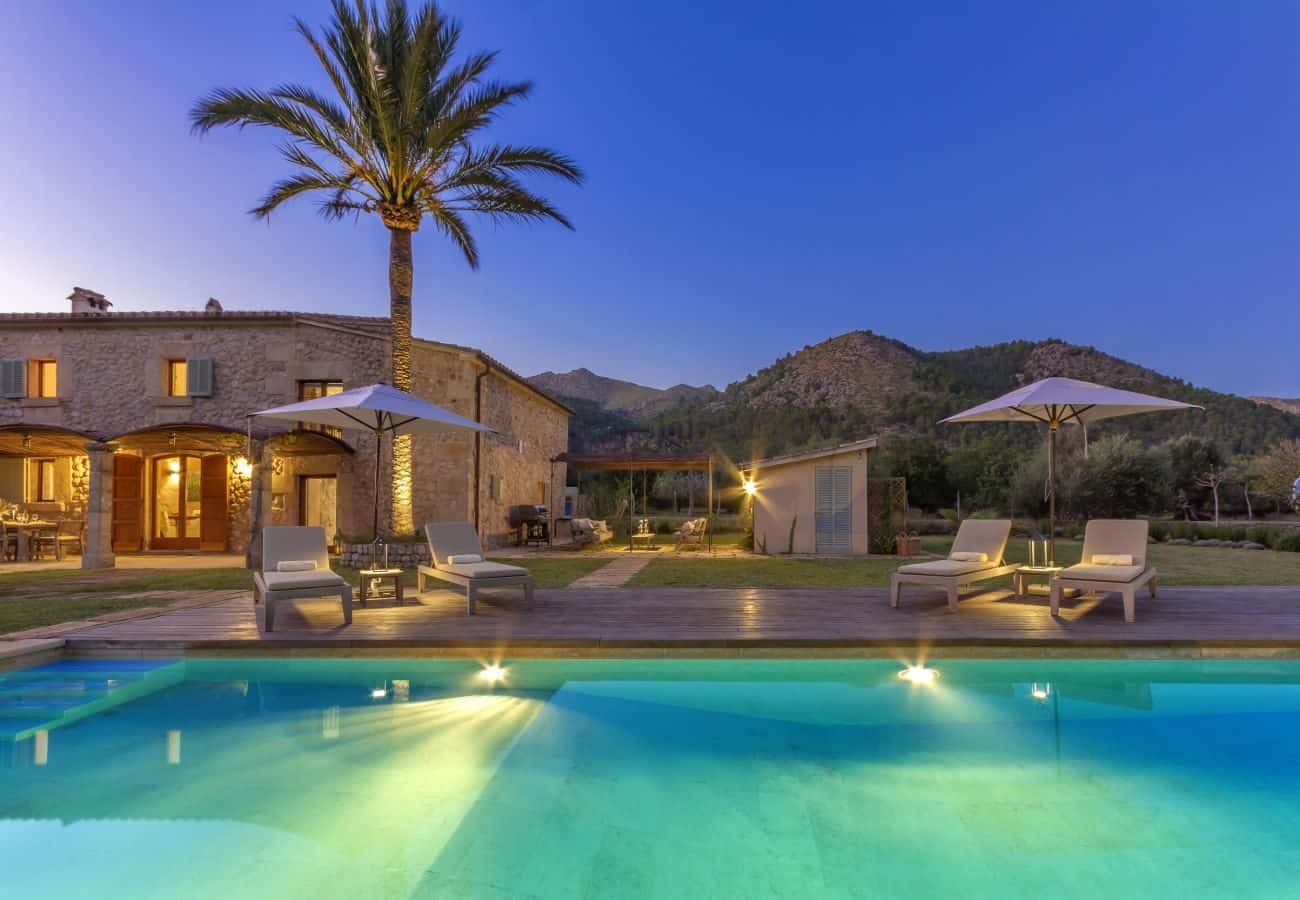
Can Pau
near Pollença (North)
- 8 guests
- 4 bedrooms
- 4 bathrooms
Registration no.: ETV/11866
per night
€533.61 – €1,260.51
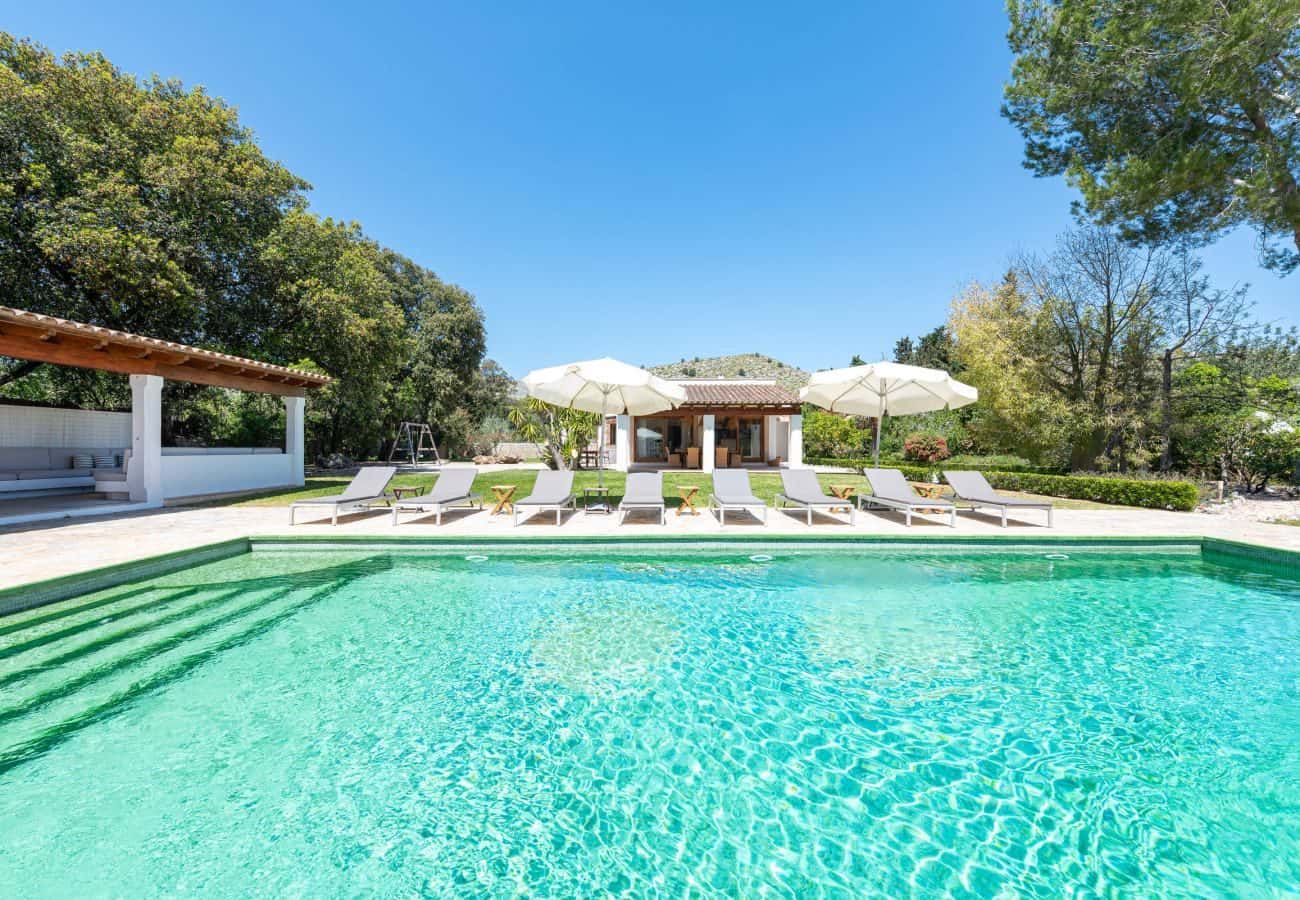
Cal Rei Gran
near Pollença (North)
- 12 guests
- 5 bedrooms
- 5 bathrooms
Registration no.: ETV/2637
per night
€714.28 – €1,806.72
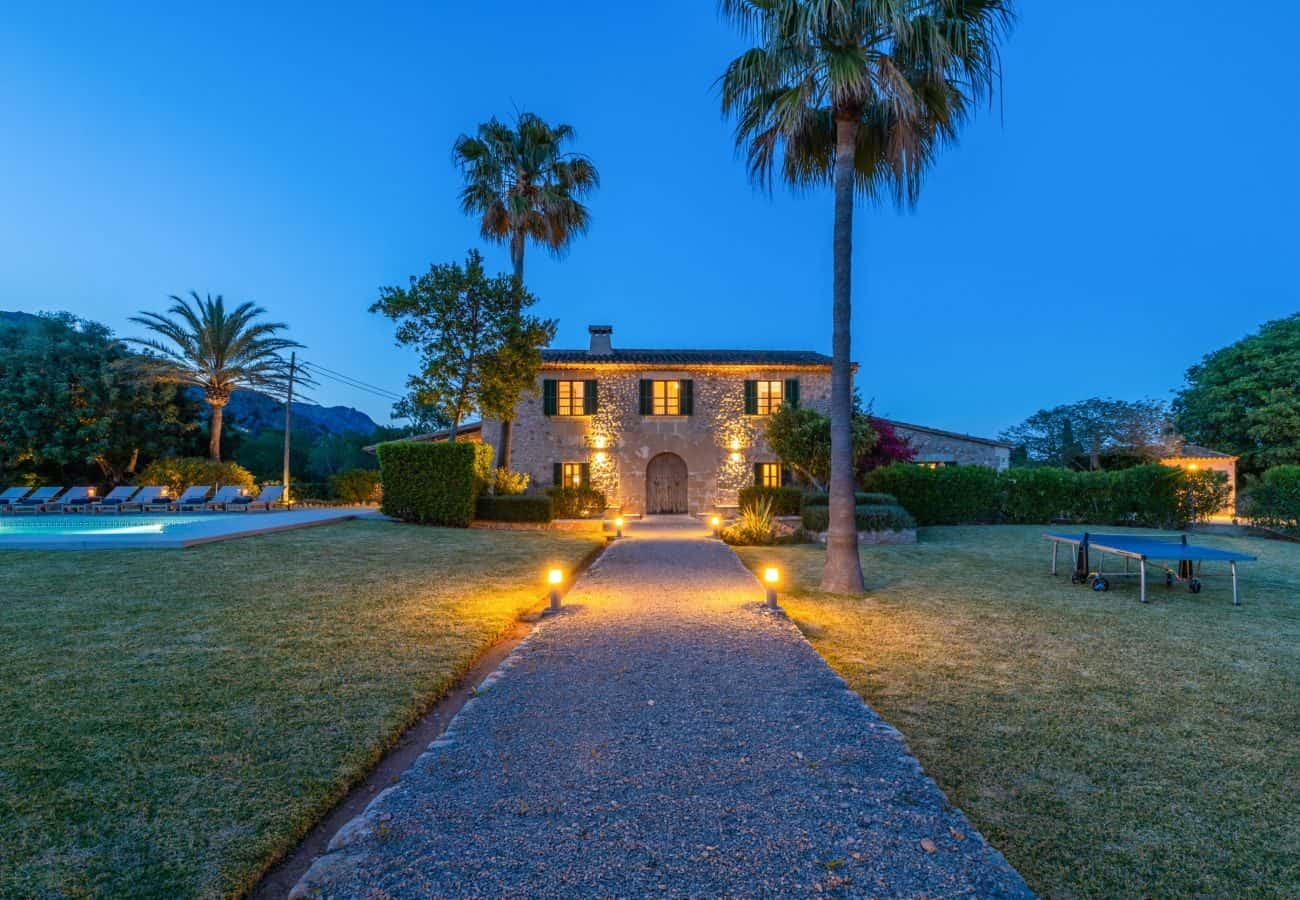
Can Corme
near Pollença (North)
- 10 guests
- 5 bedrooms
- 5 bathrooms
Registration no.: ETV/4866
per night
€1,075.64 – €2,008.40
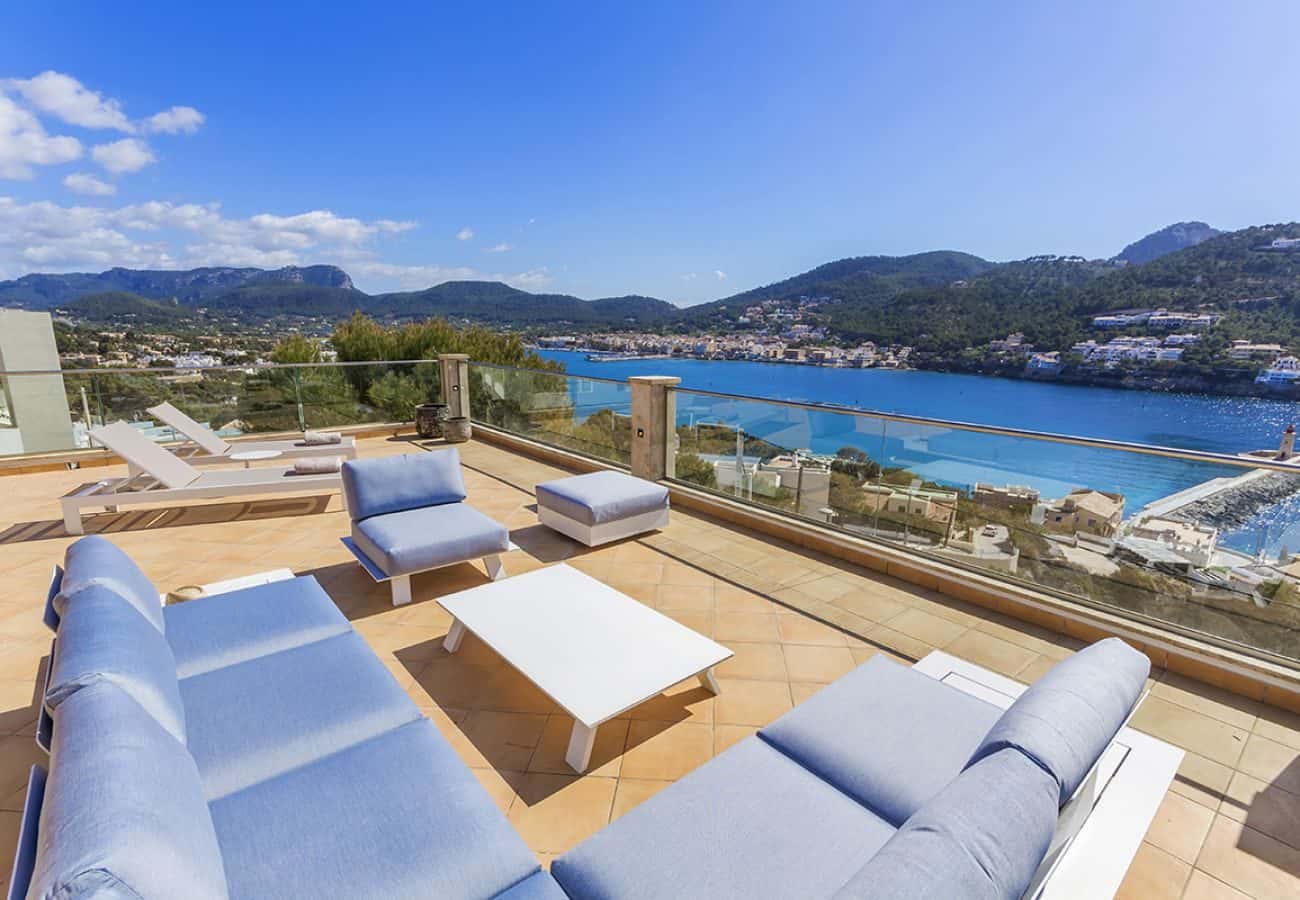
Villa Views Port Andratx
near Andratx (West)
- 7 guests
- 4 bedrooms
- 3 bathrooms
Registration no.: ETV/9286
per night
€1,176.47 – €1,848.74
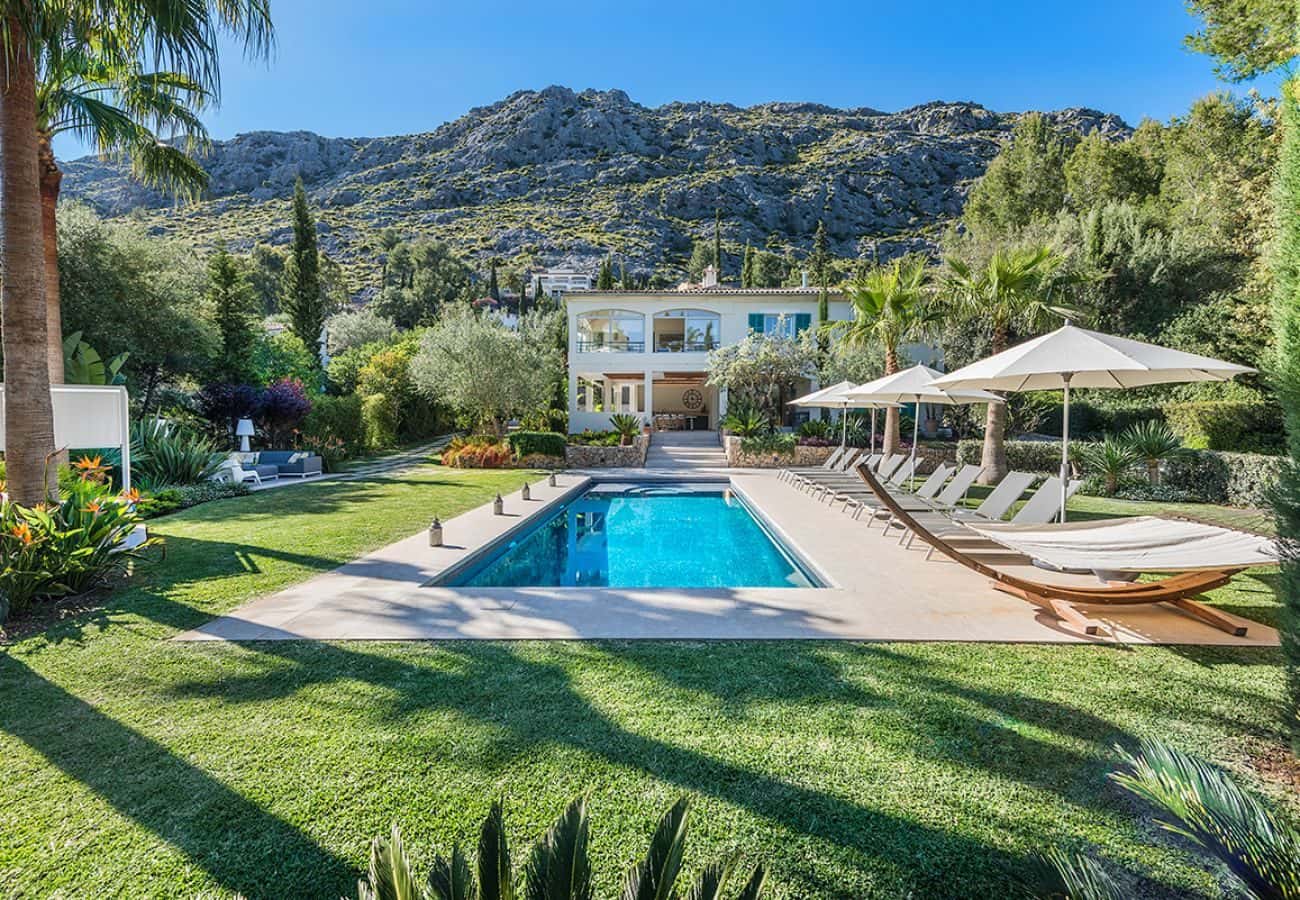
Villa Longa
near Pollença (North)
- 10 guests
- 5 bedrooms
- 5 bathrooms
Registration no.: ETV/312
per night
€1,310.93 – €1,899.16
There are currently no holiday homes listed here for Inca.
Inca at a glance
Weather

23.9 °C
Partly cloudy
Hourly forecast

13.7 °C
9%

13.6 °C
25%

13.5 °C
24%
14.4 °C
25%
14.5 °C
26%
14.6 °C
26%
15.9 °C
25%

18.2 °C
18%

20.4 °C
10%
21.7 °C
4%
22.9 °C
10%
22.8 °C
6%
24 °C
6%
23.9 °C
3%
- Next hour

22.3 °C
1%
21.3 °C
1%
18.1 °C
3%
16.3 °C
5%
16.8 °C
3%
16.7 °C
3%

14.8 °C
7%
16.3 °C
2%
Forecast for the coming days
Sunday
Sunny07:0917:558%24°13.5°Monday
Overcast07:1017:5410%23.7°14.4°Tuesday
Sunny07:1117:527%24°15.1°Wednesday
Overcast07:1217:5143%20.8°15.8°Thursday
 Patchy rain nearby07:1317:5057%21.6°14.8°
Friday
Patchy rain nearby07:1417:4964%20.9°14.5°Saturday
Sunny07:1517:479%20°14.1°Sunday
Patchy rain nearby07:1717:4623%19.3°13.9°Monday
Patchy rain nearby07:1817:4546%17.3°12.6°Tuesday
Patchy rain nearby07:1917:4466%18°12.1°Wednesday
Patchy rain nearby07:2017:4341%17.1°12.4°Thursday
Patchy rain nearby07:2117:4265%17°12.5°Friday
Sunny07:2217:4157%18.3°11.7°Saturday
Sunny07:2317:409%20.2°11.1°
Updated: 10/25/26, 2:15 PM
Weather information without guarantee. For safety-critical decisions, consult official weather services.
Island-wide climate averages · October
Palma Airport reference station (AEMET, 1991-2020)
Sea temperature source: Puertos del Estado / Copernicus Marine Service · Bay of Palma · 2003-2022
Getting there at a glance
Palma airport
35.1 km by road · 38 min
Inca
- Hire car or taxi
- 38 min via Ma-30 / Ma-13
- Scheduled bus
- 302 · 316 · 301 · 314 · 312 · 304
Bus lines
| Line | Route | Departures/day | First (Mon–Fri) | Last (Mon–Fri) |
|---|---|---|---|---|
| 302 | Can Picafort - Palma | 405 | 00:17 | 23:57 |
| 316 | Son Serra - Inca | 300 | 06:30 | 22:11 |
| 301 | Port de Pollença - Palma | 279 | 06:25 | 22:31 |
| 314 | Campanet / Búger | 184 | 06:25 | 22:20 |
| 312 | Lluc - Inca - Muro | 131 | 06:40 | 21:45 |
| 304 | Inca - Sencelles - Palma | 120 | 07:20 | 22:40 |
| A32 | Can Picafort - Aeroport | 43 | 00:30 | 23:35 |
| 311 | Mancor de la Vall - Inca | 40 | 06:25 | 22:00 |
| A33 | Port d'Alcúdia - Aeroport | 36 | 04:40 | 23:00 |
| 313 | Selva - Inca | 28 | 06:50 | 21:55 |
From official GTFS timetable data (TIB/SFM), without real-time information. Figures count stops within 1 km in the limited timetable dataset, not trips per operating day.
Places nearby
Straight-line distance from the town centre
- Biniamar · 4.0 km
- Lloseta · 4.2 km
- Selva · 4.4 km
- Mancor de la Vall · 5.6 km
- Moscari · 5.7 km
- Caimari · 6.2 km
Nearby
Straight-line distance from the town centre
Beaches
- Calado P · 9.1 km
- Es Caló de Sa Fusta Zb · 9.1 km
- Na Llòbriga · 9.1 km
Sights
- creu del Batliu · 0.3 km
- Jewish Quarter · 0.4 km
- Can Monroig · 0.6 km
- Crist Rei · 1.0 km
- Església de Sant Cristòfol · 2.2 km
- Església de Santa Maria de Robines · 3.2 km
Weekly markets
- Weekly Market in Inca · Thursday · 08:00-13:00
Upcoming dates
- Licence to save lives - Give blood
- Book presentation: "The Goigs: Piety and popular culture in Mallorca (17th–19th centuries)"
- Philosophical Conversations
- Commemorative ceremony of recognition and redress
- Storytelling at the Library 2026
- Book club 2026
- Discover Inca – Guided tours of Inca’s heritage 2026/27
Map
Your finca in Inca between mountains and plains
Inca lies inland between mountains and farmland; market day is part of the town's bustling character, with crates, calls across the street, freshly baked bread and ripe figs. It is precisely this blend of activity and casualness that makes the place so appealing to anyone looking for more than beach loungers. Those who choose a holiday home in Inca on Mallorca live between the Serra de Tramuntana and the wide plain of Es Pla, on an axis that has always connected Palma with Alcúdia. This inland location means short distances in two directions: uphill to rugged peaks, eastwards to open farmland. Those who choose a finca in Inca therefore do not get a secluded retreat, but a place right in the midst of the island's authentic rhythm.
The character of this place differs fundamentally from that of a coastal resort, and that is precisely its appeal. Even under Islamic rule, the settlement, then known as Inkan, was a district and market centre, a hub for trade and administration. This role as a shopping destination, transport hub and centre of craftsmanship has remained palpable to this day. Later, the shoe industry, guilds and lively trade shaped the economic backbone of the town, a history that continues to have an effect into the present day, whether in old workshop façades or in the self-image of the locals. The centre itself is lively and busy, truly animated on market days, with voices, stalls and the clatter of crates being pulled across cobblestones.
Those who wander through the lanes in the evening will sooner or later end up in one of the traditional establishments housed in former wine and storage cellars. These cellars originally served simply for storage and the wine trade, not for the enjoyment of travellers, and that is precisely what gives them their atmosphere: sociable, yet never staged, shaped by practical needs rather than built as a backdrop. My tip: anyone who wants to experience the bustle of the market from the outside can sit down in one of these cellars and let the activity of the town continue outside, while inside thick walls provide cool tranquillity. It is precisely this contrast between bustle and retreat that makes a finca here such a fitting base for your own time in Mallorca.
Getting to and Arriving in Inca
Anyone wishing to rent a finca in Inca benefits from a location that can be reached in very different ways. It is around 31 kilometres by road from central Palma, and those who prefer the train will find Inca Estació, a railway station with a directly connected bus station, the so-called Estació d'autobusos. Trains to Palma run several times an hour, and there are also onward connections to Manacor and Sa Pobla. For a visit to the town alone, you do not even need a rental car; the station is perfectly sufficient as a starting point for a walk around.
For anyone wanting to go a little further out, where the rails no longer reach, buses are the right choice, especially for places without their own rail connection. However, you should bear this in mind: timetables change seasonally, and what runs hourly in summer may be considerably less frequent in winter. My tip: if you want to remain flexible, it is best to check the current connection again shortly before travelling rather than relying on a glance from the previous day.
For commuters who regularly need to travel to Palma, this very direct rail connection is the strongest argument for living in and around Inca: get on, watch the landscape pass by, arrive. On the other hand, anyone wanting to use their accommodation for trips into the mountains or to more remote corners of the island can hardly do without their own car once their workplace, school or leisure destinations lie away from the railway lines. In this way, Inca offers a contrast that gives everyday life its own pleasantly unhurried rhythm: the rail for journeys to the capital, the road for everything that lies beyond the tracks.
No beach right on your doorstep
Anyone looking for a holiday apartment in Inca has to be honest: there is no beach here. The sea is not just around the corner, and anyone who wants to sink their toes into the sand in the morning needs a car and a little patience – the coast cannot be reached on foot from here. That is not a drawback, but simply the nature of the place, right in the middle of the island's plain.
The good news: the sea is not entirely out of reach after all. It is around 30 kilometres to the coast, and the drive towards Alcúdia takes you into a completely different world of coves, promenades and beach bars. Those who set off early avoid the afternoon traffic and get more out of their day by the water before returning inland for the siesta.
For fans of cooking, giving up proximity to the beach is worthwhile twice over: instead of light fish dishes with a view of the water, hearty Mallorcan home cooking awaits here, traditionally served in the island's interior – rich, down-to-earth and far removed from any cuisine found in coastal resorts. Anyone specifically seeking proximity to the beach, a cohesive historic village ensemble or secluded rural tranquillity is less well advised to choose Inca; you should know that before selecting your accommodation. But those who appreciate this blend of a lively everyday town and a short journey to the sea will find a fitting base in a finca in the surrounding area of Inca: sand between your toes by day, real island life without the tourist hustle and bustle in the evening.
Between Church Towers and Monastic Quiet
Anyone strolling through the lanes of the centre will almost inevitably end up in front of Santa Maria la Major. The Baroque parish church is considered the city’s main attraction, and guild signs have been preserved in it to this day, small stone clues to the craftsmen who once shaped the townscape. From there, a walk continues through the centre, its squares and shopping streets to the market hall, passing other religious buildings such as Santo Domingo, Sant Francesc and the Sant Bartomeu monastery. It was renovated in the 18th century and was once home to Hieronymite nuns, whom people called ses monges tancades, the enclosed nuns.
My tip: Do not plan your church visit in haste, as the religious buildings are not continuously open for tourist visits. Those interested in sacred architecture will find further historic churches and monasteries away from the main church that are well suited to a quieter second look once the bustle around the centre and the market hall subsides. Especially in the early morning, before the shops in the shopping streets get fully underway, the interplay of churches, monastic complexes and guild signs can be explored at leisure without having to push through crowds. Those arriving by car are better off parking at the edge of the centre rather than directly by the church or the pedestrian zone.
A detour to the Museu del Calçat i de la Indústria is also worthwhile. It is dedicated to the city’s shoe and leather tradition and gives a good impression of how closely craftsmanship and everyday life have been intertwined here across generations. Can Monroig is somewhat different: the site is less suited to a spontaneous museum visit with a fixed tour, but it is worth taking a careful look at the arches, bricked-up openings and transitions between the parts of the building if you take time for its architectural history and engage with the explanations on site. After a day among church towers and cobblestones, unwinding on your own terrace tastes twice as much of Mallorca.
Market Day, Shops and Cuisine in Inca
On Thursdays, the town centre is transformed: stalls line the narrow streets, with fruit and vegetables alongside cheese, oil, wine, sobrasada and olives, interspersed with textiles, shoes, leather goods and household items. Those looking for plants for the finca garden will also find what they need, as a separate area offers flowers and young fruit trees. My tip: if you want to avoid the crowds, come in the early morning, before the stalls are fully set up – later, locals and visitors make their way through the rows shoulder to shoulder.
Away from the bustle of the market, Inca remains a town with well-established infrastructure: supermarkets, food shops, fashion retailers, cafés, bakeries and restaurants line the streets, complemented by a market hall with regional produce on Carrer Miquel Duran. Among it all are small stalls run by local artisans offering ceramics, jewellery, baskets and leather goods – a good opportunity to browse away from the main lanes and pick up a souvenir.
For dinner, it is worth taking a look at the town's old wine cellars: restaurants have set up there, serving hearty Mallorcan home cooking, substantial and down-to-earth rather than light as on the coast. After a morning full of market business and shopping, a plate like this tastes especially good. Those who drive back to the quiet finca property after a day among stalls and shop doors will already have sobrasada, cheese and fresh vegetables in their basket anyway.
Who Inca is really suitable for
Anyone renting a finca in Inca should know what they are getting into: no beach on the doorstep, no cohesive historic village ensemble, no rural seclusion. In return, you get urban amenities right in the heart of the island, with good transport connections as a base for excursions in every direction. It is best suited to travellers who want to be out and about during the day and seek a quiet nest in the evening, not those who want to spend their entire holiday by the water.
With children, Inca is particularly suitable as a morning destination: the market, a bite to eat, a stroll through the lanes, then move on before the midday heat becomes oppressive and the crowds at the market get too large. Those who would rather head into the countryside will find quiet cycling routes through the agricultural landscape of Es Pla in the surrounding area, for example near Moscari, passing olives, almonds and vineyards. My tip: the circuit is especially worthwhile in spring, when the almond blossom or the fresh green of the fields casts the barren plain in a different light and you can travel more peacefully than in the centre of Inca.
For quiet corners away from the hustle and bustle, a detour to small historic sites such as the creu de Sa Plana is worthwhile. It is more for travellers with an appreciation of traditional Mallorca away from the coast than an attraction with a grand monument or curated exhibition. With children, a short stop during a village walk is entirely sufficient; there is no need to expect more there. Those who like this combination of urban life, landscape and quiet corners will find exactly the right balance here between setting off and arriving.
Everyday life between the station and the pedestrian zone
Anyone settling in here quickly notices: the railway station, bus station, grocery shops, restaurants and shopping streets are so close together that many everyday errands in the centre can be done on foot. If you live near the station, the pedestrian zone or Gran Via Colón, you can often manage during the day without a car at all. Even so, having your own vehicle remains useful as soon as your workplace, school or leisure destinations are away from the rail lines, or if you regularly want to head to scattered fincas, mountain villages and small communities in the surrounding area.
On market day, the situation is different: the stalls then occupy large parts of the town centre, and those arriving by car are better off parking at the edge of the centre rather than directly by the church or the pedestrian zone. My tip: if you want to avoid this bustle, plan your shopping for a quieter weekday or arrive early, before the lanes are crowded. For excursions towards the Tramuntana, it is advisable in any case to check the route, weather and equipment independently before setting off.
For commuters, the direct rail connection to Palma remains the strongest argument for settling here, even if bus timetables change seasonally and are worth checking before travelling. This combination of short distances in the centre and good connections outwards makes this place a pleasantly straightforward base from which both island life and everyday life can be organised.
Frequently asked questions
Is there a beach in Inca, or is the town located directly by the sea?
No, the small town lies inland, nestled between the Serra de Tramuntana and the wide Es Pla, with no beach of its own on the doorstep. The coast is no more than 30 kilometres away. The drive towards Alcúdia takes you into a completely different world of bays and promenades. If you are looking for proximity to the beach or rural seclusion, this is less the right place for you; instead, you benefit from good connections to the surrounding area and everyday life that differs fundamentally from that of a coastal town.
How do you get from Palma to Inca without a car?
The train runs several times an hour between Palma and Inca, with additional connections to Manacor and Sa Pobla. The station, Inca Estació, is right next to the bus station. You do not need a rental car for a visit to the town itself, as much can be reached on foot from the station.
When does the well-known market in Inca take place?
On Thursdays, Inca's town centre turns into one vast market that spreads across large parts of the centre. The stalls offer fruit, vegetables, cheese, oil, wine, sobrasada and olives, alongside plants, textiles, shoes and leather goods. On this day, the town is particularly lively. Stalls line the alleys and squares. Those arriving by car are better off parking on the edge of the centre rather than directly by the church or the pedestrian zone, as it is difficult to find a free space amid the bustle.
What cultural sights should one see in Inca?
The main sight worth seeing is above all Santa Maria la Major, the Baroque parish church, which is considered the city's principal attraction. Its guild signs from the 18th century have survived to this day, a stone legacy of the craftsmen's guilds that shaped the townscape at the time. Other historic religious buildings include Santo Domingo, Sant Francesc and the Sant Bartomeu monastery, which was renovated in the 18th century and was once inhabited by Hieronymite nuns. For the history of craftsmanship, a detour to the Museu del Calçat i de la Indústria is worthwhile; it is dedicated to the city's shoe-making and leather tradition. A walk continues through the centre, past the parish church, along the shopping streets and to the market hall, always passing churches, monastery complexes and old guild signs. My tip: Do not allow too little time for visiting the churches, as the religious buildings are not continuously open to tourists. Those interested in sacred architecture will find further historic churches and monasteries away from the main church for a quieter second look. It is best to come early in the morning, before the shops on the shopping streets really get going; then the interplay of churches, monastery complexes and traces of craftsmanship can be explored on foot without crowds. Those who opt for parking on the edge of the centre will find it easier around the church anyway than directly in front of it.
Is Inca suitable as a place to live for a stay in Mallorca?
As a place to live, the town is well suited to life in the island's interior, with urban amenities, a rail connection, and daily errands that can largely be managed without a car around the station and pedestrian zone. Those expecting a beach on their doorstep, a cohesive historic village ensemble, or rural seclusion, however, will be disappointed. For destinations away from the rail lines, such as workplaces, schools, leisure venues, fincas, mountain villages, or scattered municipalities, having your own car remains the more practical choice.
Is Inca worth visiting with children?
Yes, especially as a morning destination: the market, a bite to eat, a stroll through the lanes, then move on before the midday heat becomes oppressive. On market day, however, it is crowded, which requires some attention from parents, especially with younger children in tow. There are no major standalone attractions for children here, but there is a lively local atmosphere with stalls, calls, and market smells, which combines well with a quieter afternoon in the surrounding area.