
Finca in Marratxí: between pottery villages and everyday life in Palma
At seven in the morning, Sa Cabaneta smells of freshly baked bread, while the first neighbours stroll to the café on the corner and somewhere a shutter swings open. It is precisely at this moment that you realise why a finca in Marratxí works differently from Mallorca’s postcard image: here, people live rather than just holiday. No beach beckons you outside, no souvenir shop follows the next. Instead, the municipality lies in Palma’s northeastern suburban area, belonging to the centre of the island and closely intertwined with the everyday life of the capital, without being entirely dependent on it. Anyone who moves into a finca here lives among pottery workshops, bakeries with family traditions and districts such as Pòrtol, Pla de na Tesa or Pont d'Inca, which do not come together to form a cohesive historic centre, but instead exist side by side as independent neighbourhoods. That is not a disadvantage, but the very character of the place: a rapidly growing municipality that has preserved its districts rather than merging them into a tourist centre. From here, Palma and the centre of the island can be reached in a short time, and the location favours excursions in every direction without you living right in the middle of the hustle and bustle. For families who value local amenities and quiet streets, for couples who would rather arrive in the real Mallorca than in a holiday zone, this is an offer with its own rhythm. The finca becomes a base from which you decide: a walk through Sa Cabaneta today, a trip to Palma tomorrow, a morning at the weekly market the day after tomorrow. It is precisely this blend of proximity to the city and village everyday life that creates the appeal you will get to know piece by piece in the following sections – from the journey there to the small but charming corners that rarely appear in guidebooks.
We currently have no accommodation in Marratxí
These properties across Mallorca may suit you.
11 properties found11 Holiday rentals in Mallorca
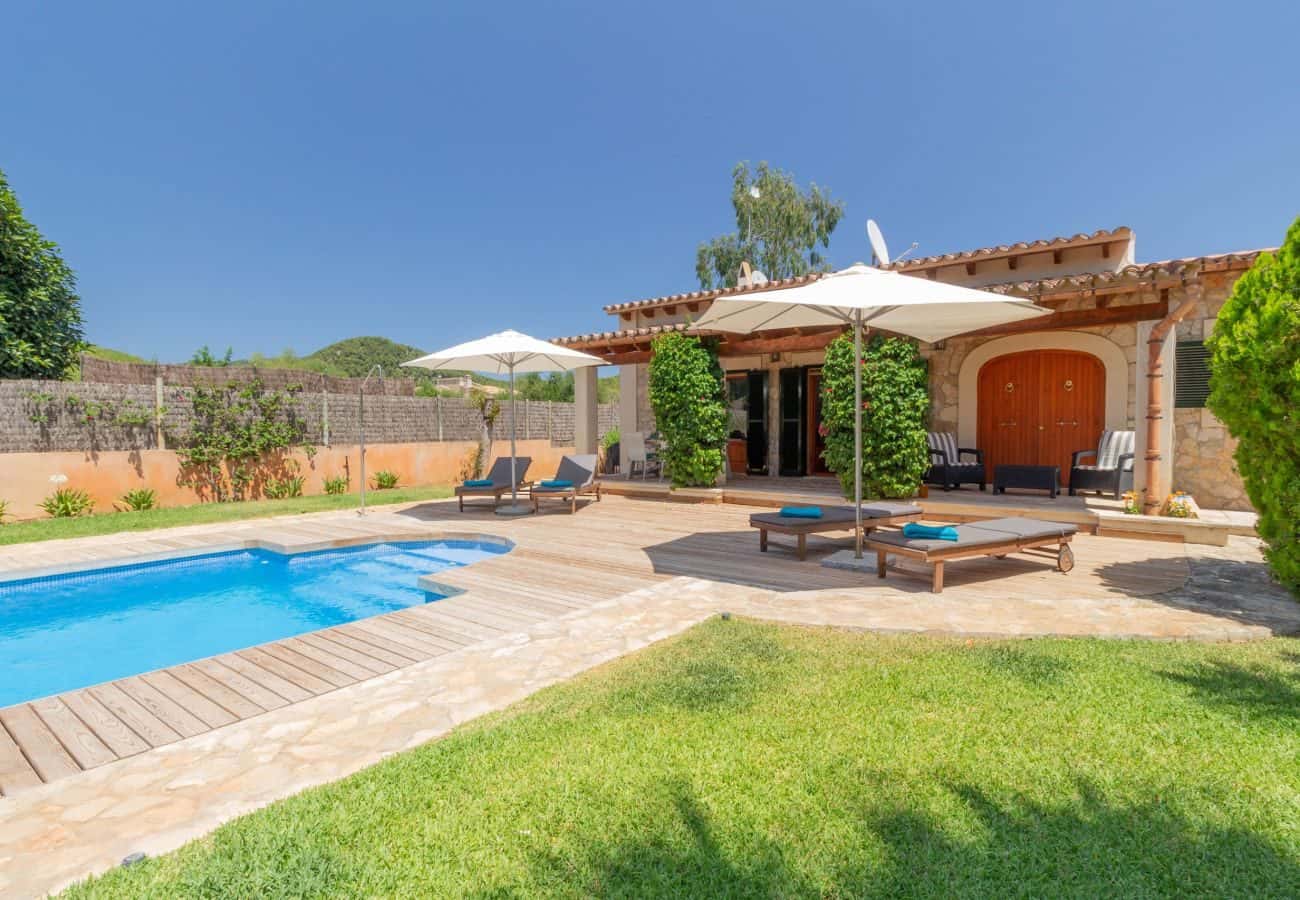
Vista Verde
near Pollença (North)
- 6 guests
- 3 bedrooms
- 3 bathrooms
Registration no.: ETV/4875
per night
€221.14 – €574.96
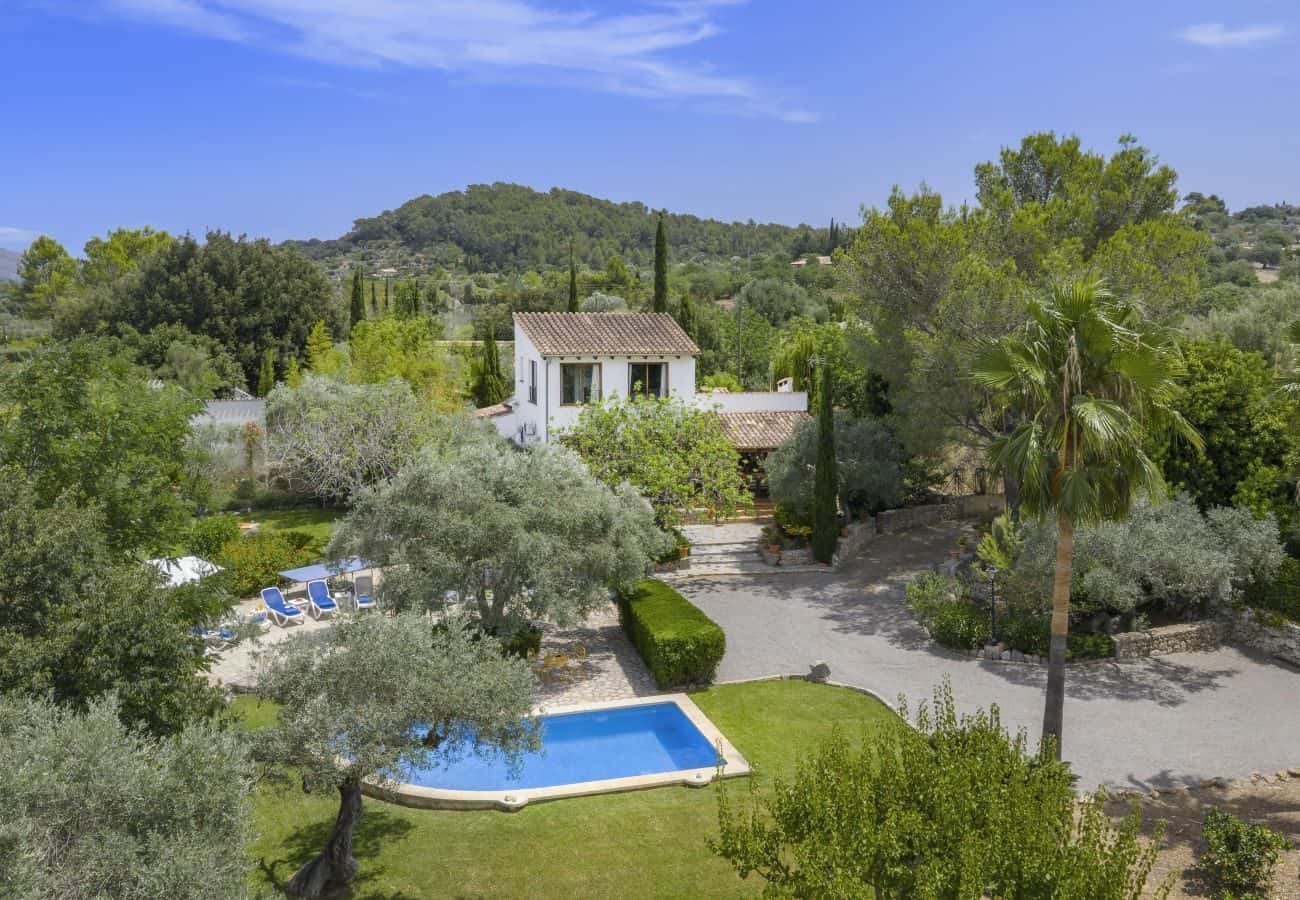
Cal Perdiu Vell
near Pollença (North)
- 6 guests
- 3 bedrooms
- 3 bathrooms
Registration no.: ETV/8616
per night
€252.11 – €671.42
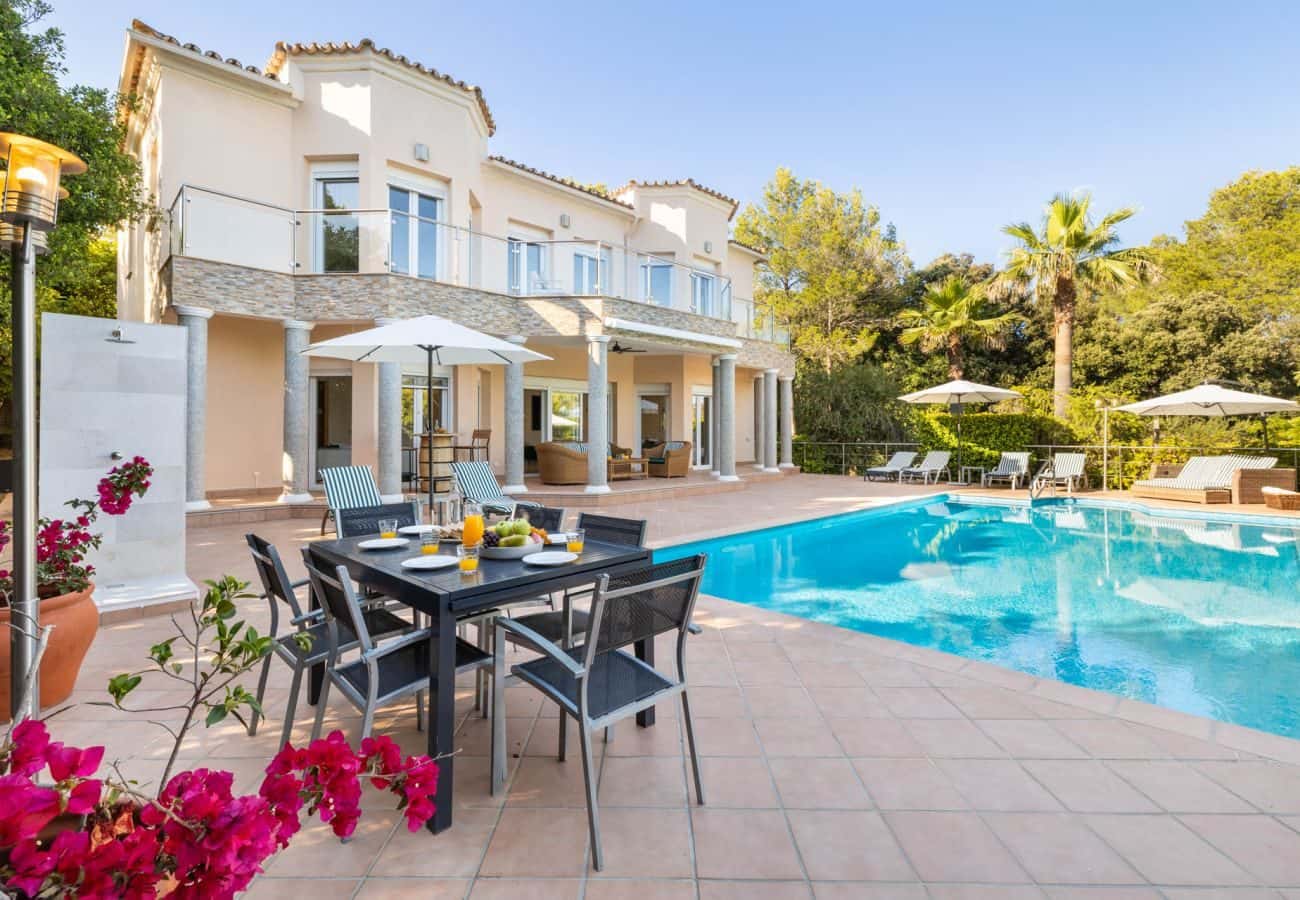
Villa Verde Subach
near Pollença (North)
- 8 guests
- 4 bedrooms
- 5 bathrooms
Registration no.: ETV/10057
per night
€336.13 – €886.55
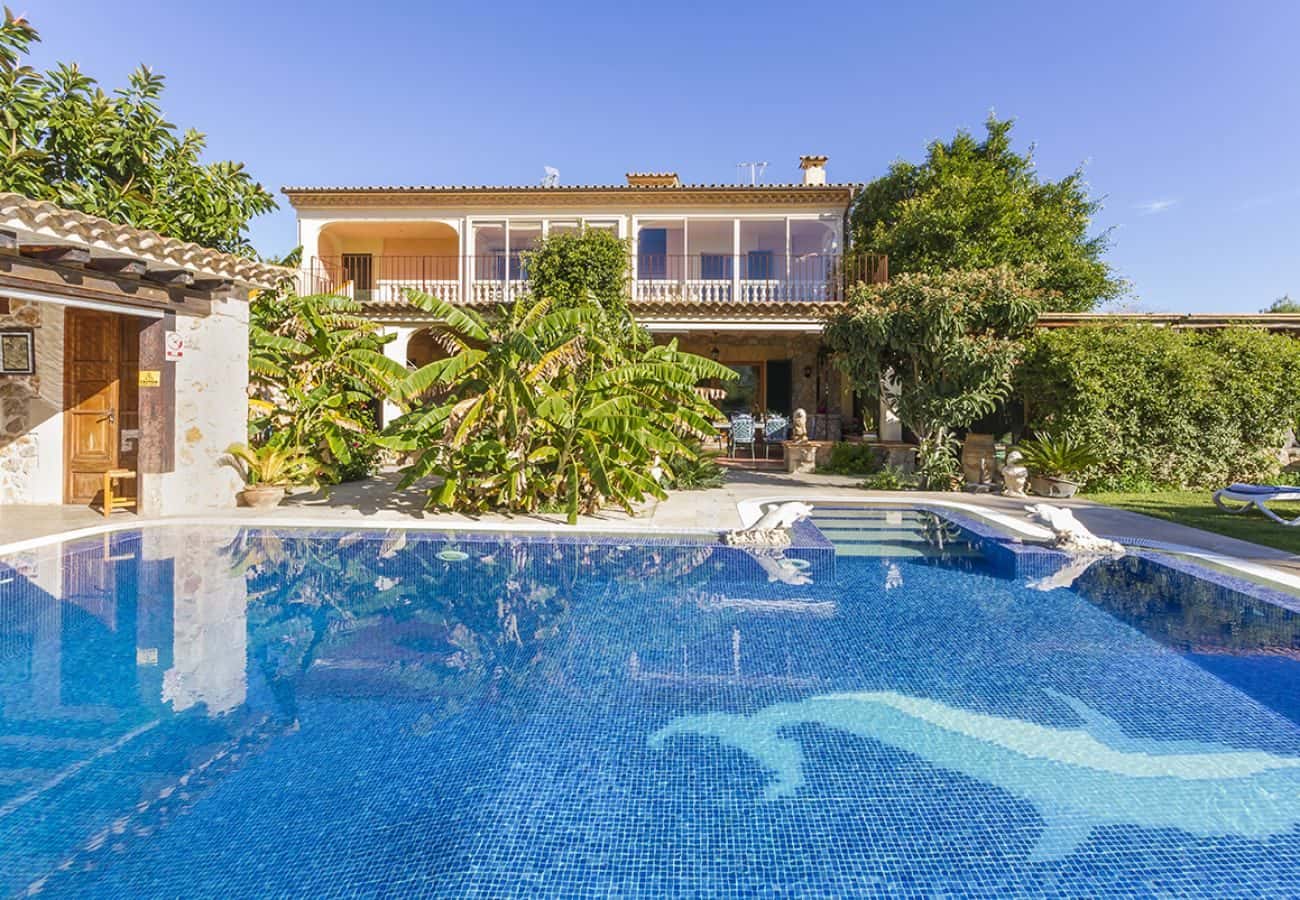
Can Josep
near Pollença (North)
- 8 guests
- 4 bedrooms
- 4 bathrooms
Registration no.: ETV/2445
per night
€423.98 – €878.25
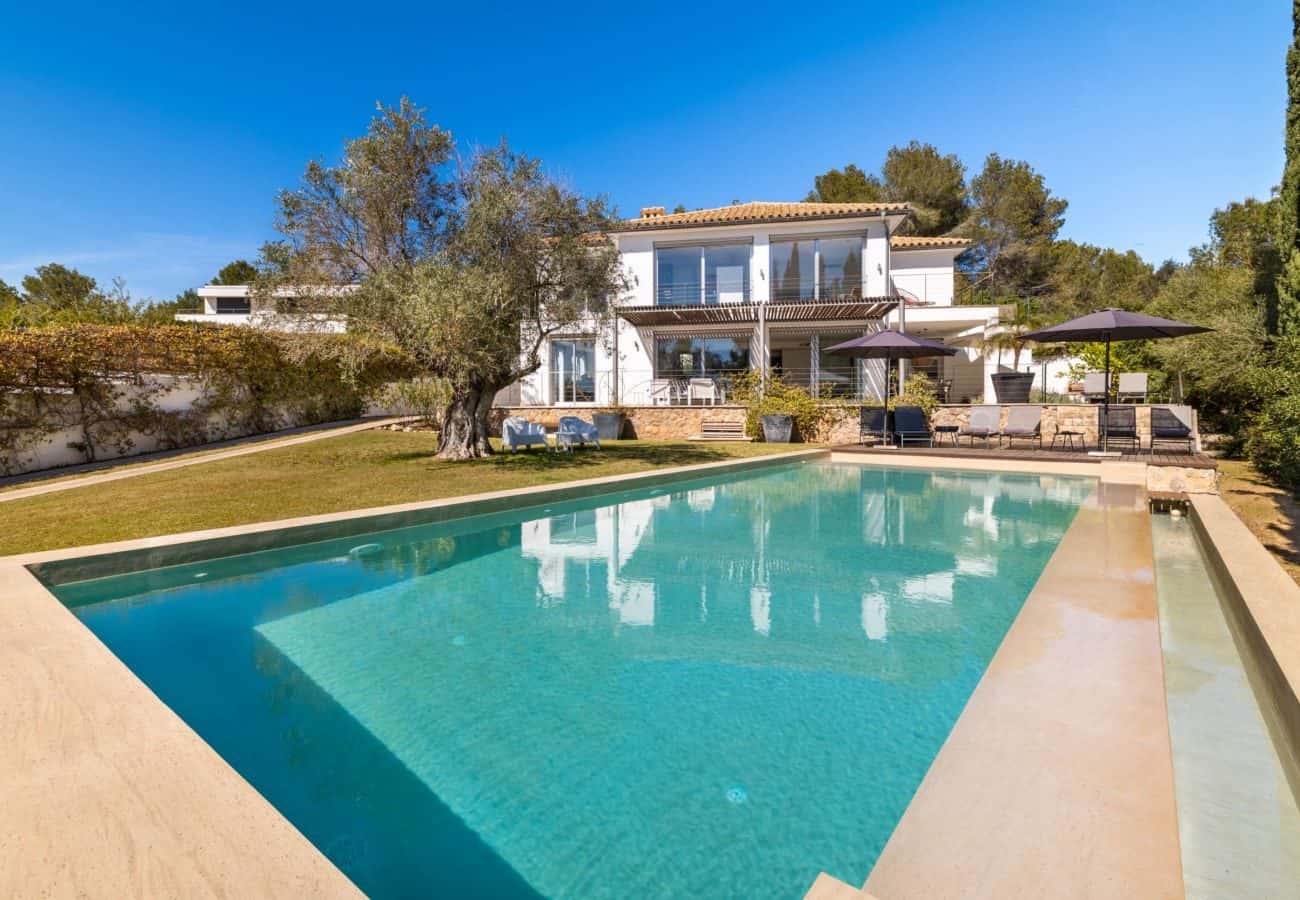
Villa Vista
near Pollença (North)
- 8 guests
- 4 bedrooms
- 4 bathrooms
Registration no.: ETV/10049
per night
€450.42 – €1,029.41
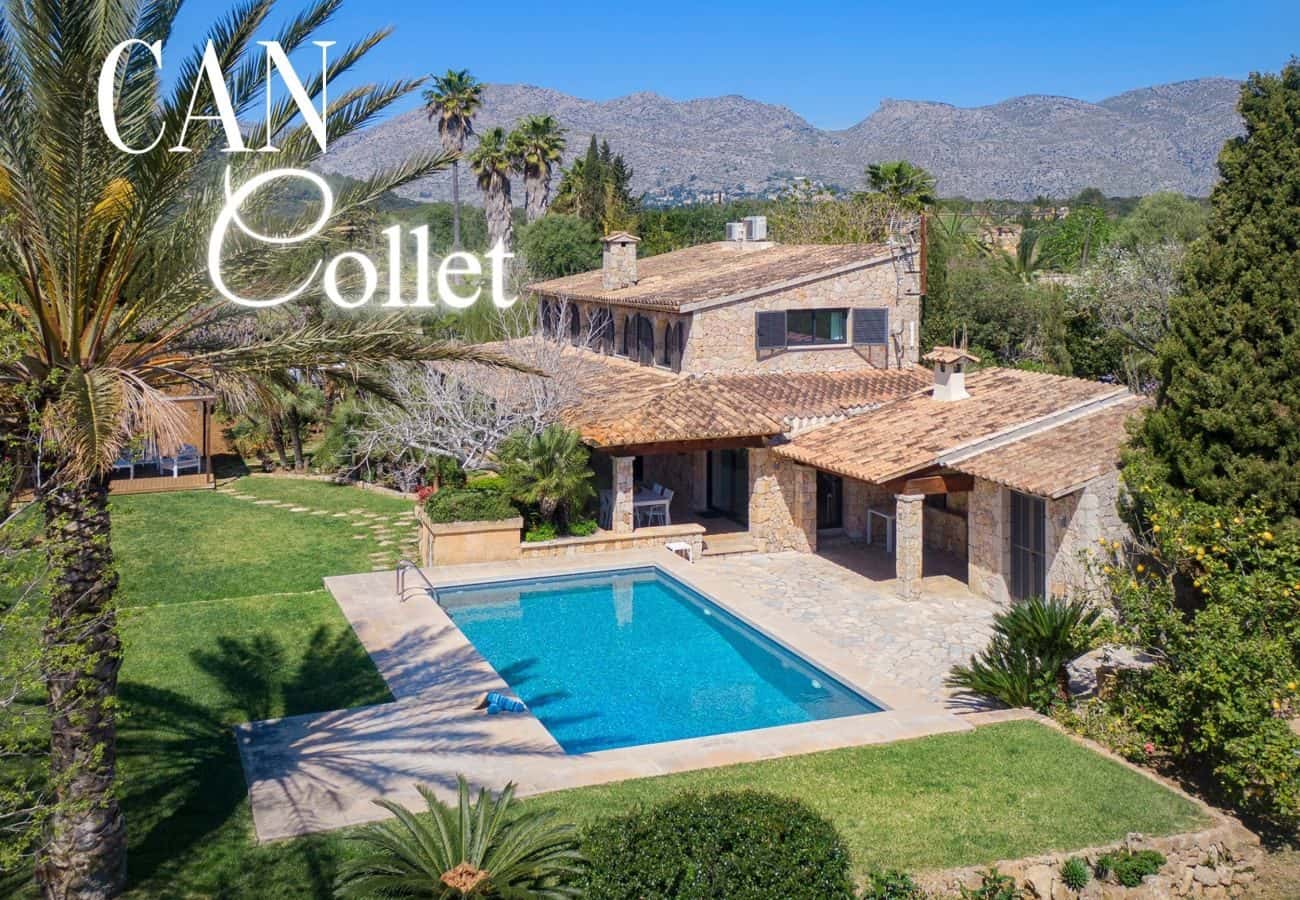
Can Collet
near Pollença (North)
- 6 guests
- 3 bedrooms
- 2 bathrooms
Registration no.: ETV/11408
per night
€478.99 – €1,260.51
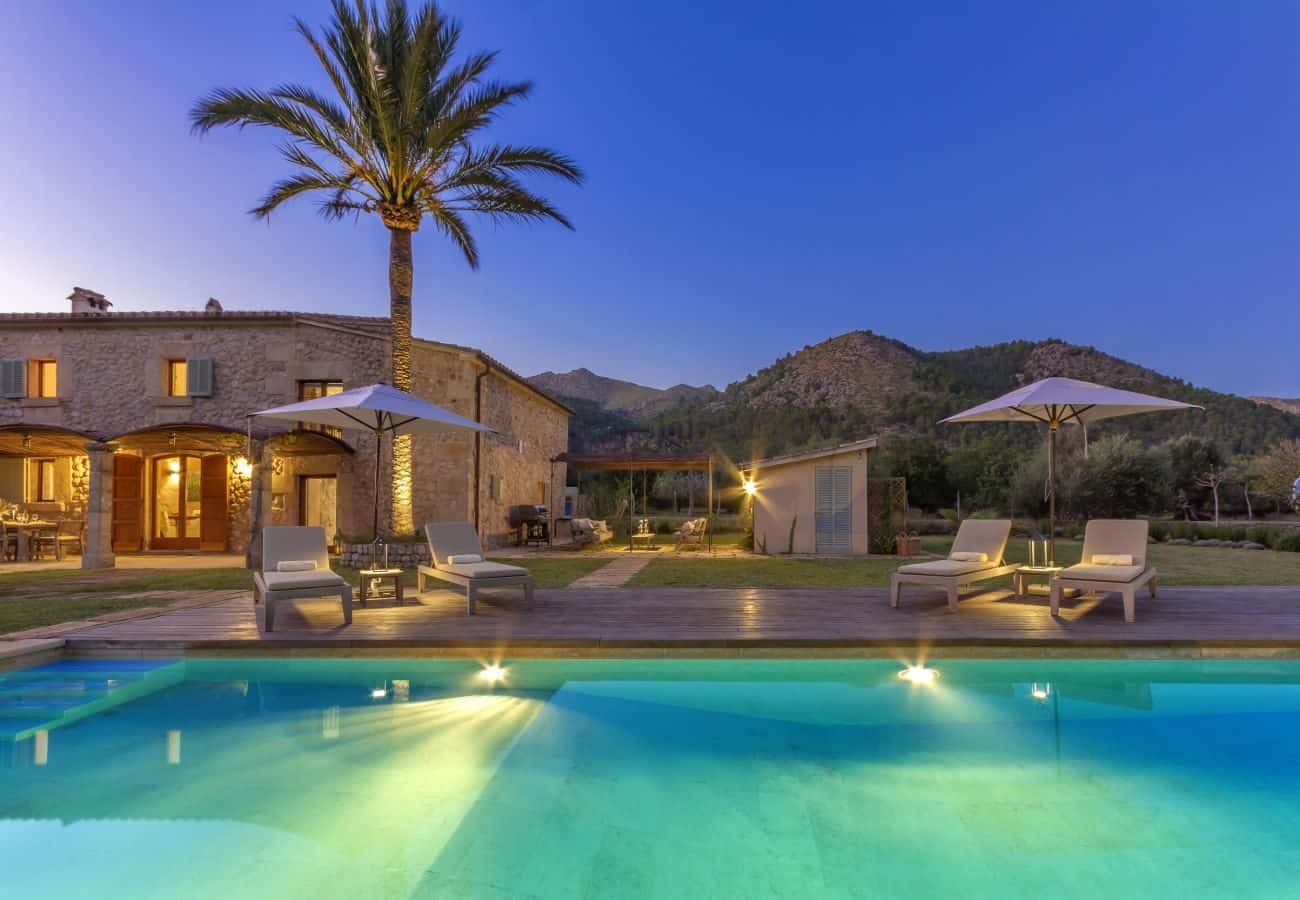
Can Pau
near Pollença (North)
- 8 guests
- 4 bedrooms
- 4 bathrooms
Registration no.: ETV/11866
per night
€533.61 – €1,260.51
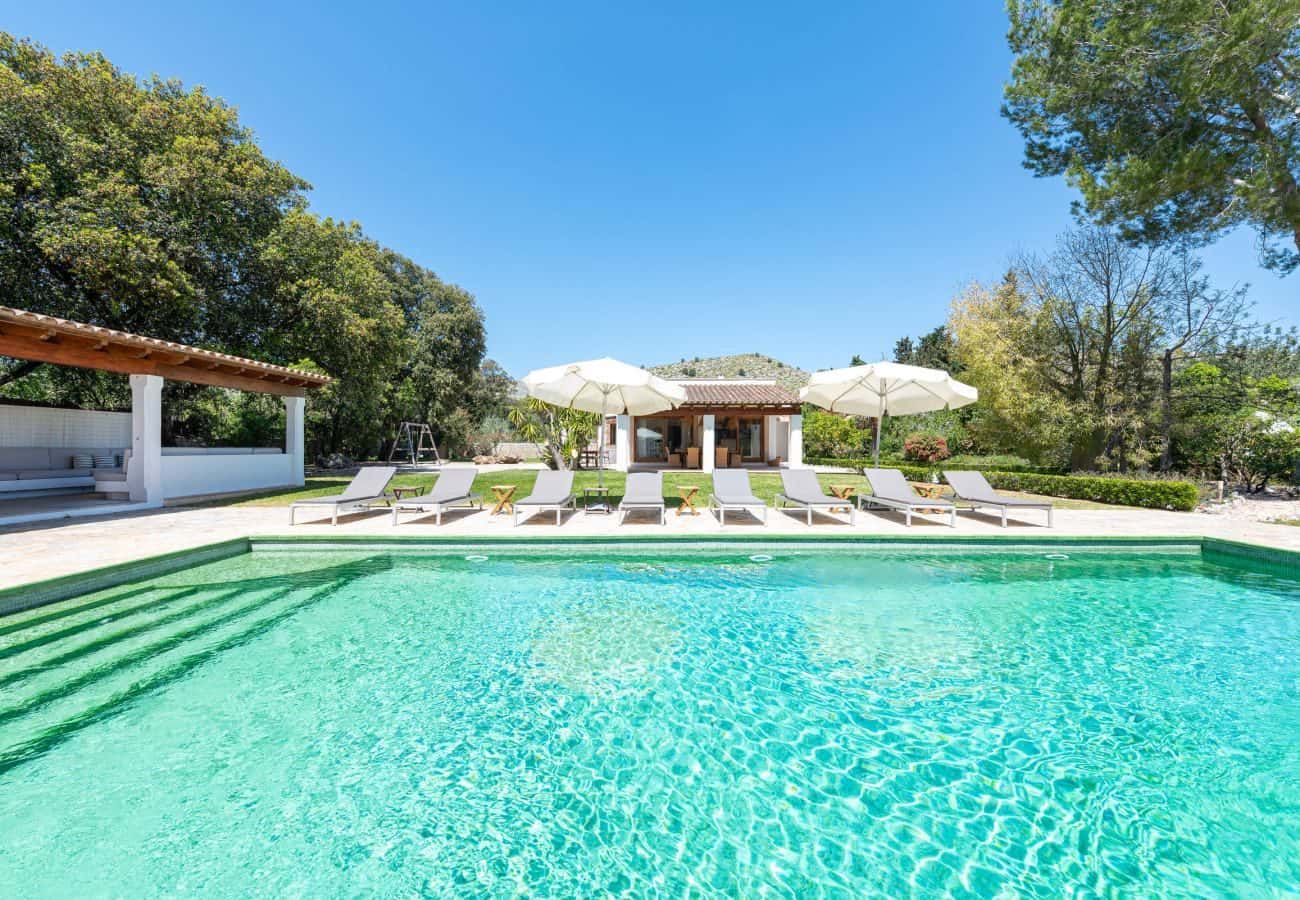
Cal Rei Gran
near Pollença (North)
- 12 guests
- 5 bedrooms
- 5 bathrooms
Registration no.: ETV/2637
per night
€714.28 – €1,806.72
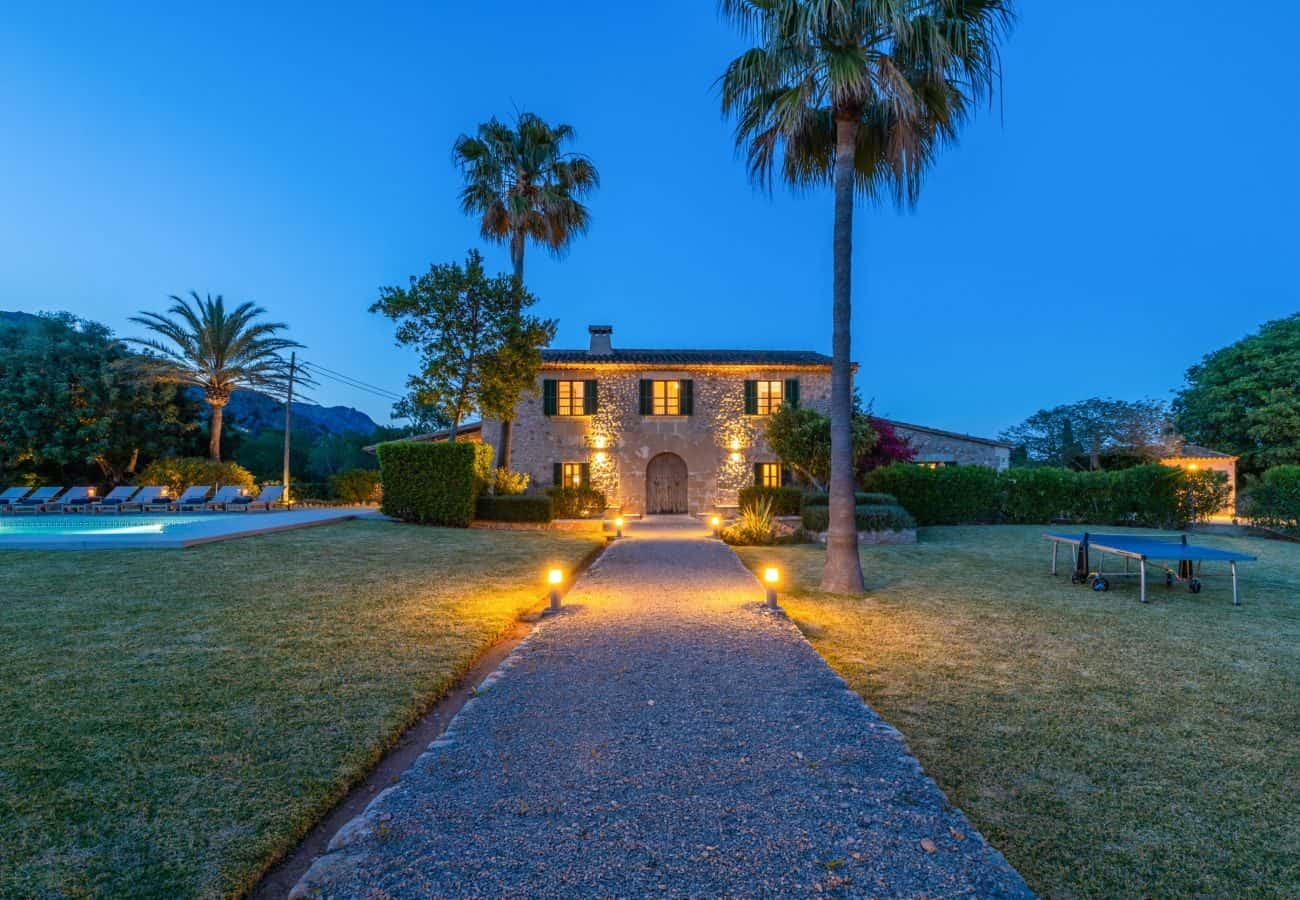
Can Corme
near Pollença (North)
- 10 guests
- 5 bedrooms
- 5 bathrooms
Registration no.: ETV/4866
per night
€1,075.64 – €2,008.40
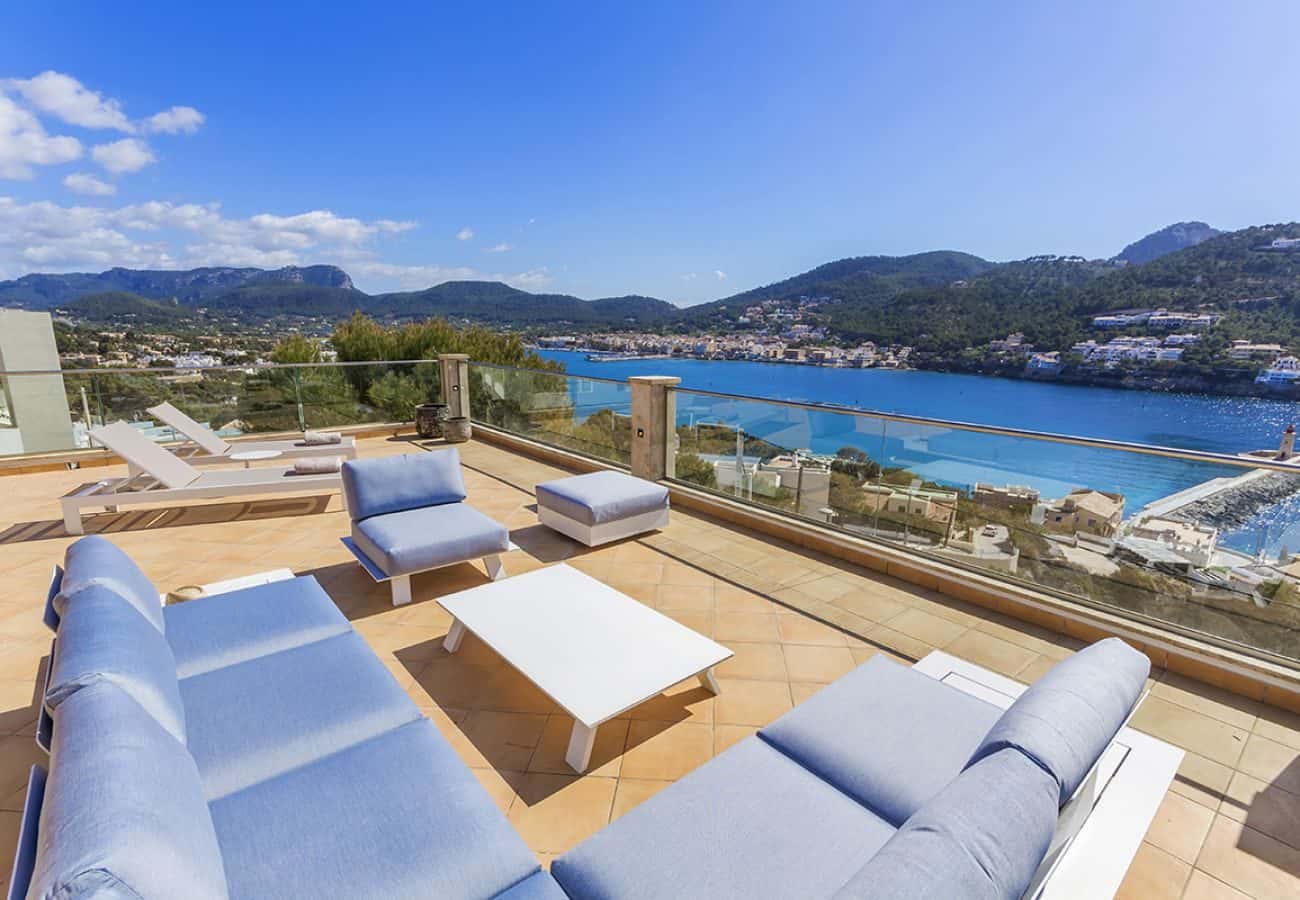
Villa Views Port Andratx
near Andratx (West)
- 7 guests
- 4 bedrooms
- 3 bathrooms
Registration no.: ETV/9286
per night
€1,176.47 – €1,848.74
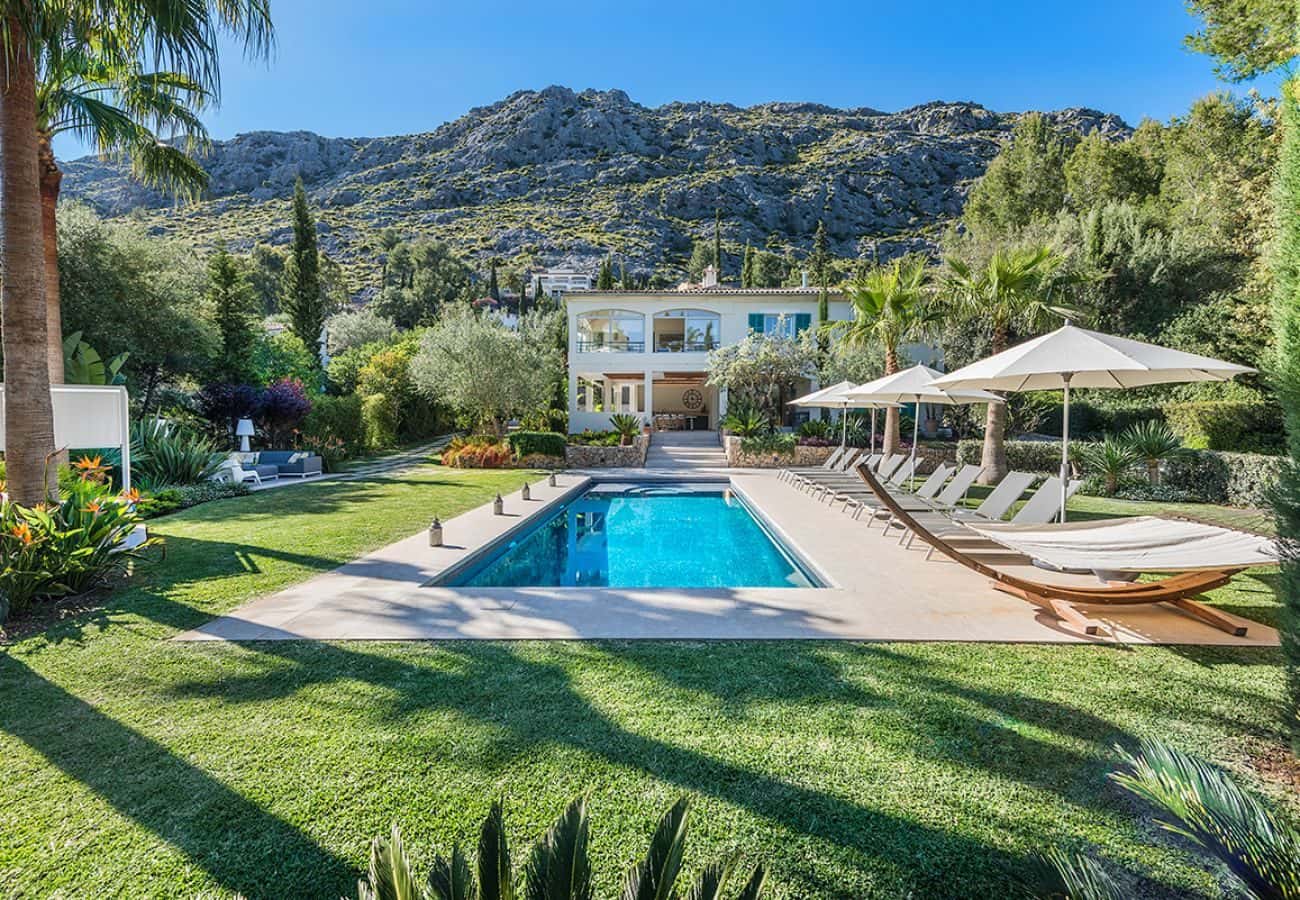
Villa Longa
near Pollença (North)
- 10 guests
- 5 bedrooms
- 5 bathrooms
Registration no.: ETV/312
per night
€1,310.93 – €1,899.16
There are currently no holiday homes listed here for Marratxí.
Marratxí at a glance
Weather

23.6 °C
Sunny
Hourly forecast

16 °C
12%

16.5 °C
21%

17.3 °C
19%
17.1 °C
22%
17.4 °C
22%
18.3 °C
19%
18.7 °C
16%

20.3 °C
14%

21.5 °C
9%
22.5 °C
6%
23.2 °C
9%
23.1 °C
7%
23.5 °C
2%
23.6 °C
1%
- Next hour

22.7 °C
3%
21.9 °C
1%
19.1 °C
2%

18.2 °C
5%
16.9 °C
3%
16.6 °C
12%
17 °C
9%
16.5 °C
4%
Forecast for the coming days
Sunday
Overcast07:0917:568%23.6°15.1°Monday
Overcast07:1017:5410%23°15.3°Tuesday
Sunny07:1117:539%23°14.5°Wednesday
Overcast07:1317:5212%23.2°15.5°Thursday
Sunny07:1417:5114%21.3°13.7°Friday
 Patchy rain nearby07:1517:4952%21.7°15.1°
Saturday
Sunny07:1617:489%22°14.7°Sunday
Sunny07:1717:4712%21.4°14.3°Monday
Patchy rain nearby07:1817:4619%19.1°13.8°Tuesday
Patchy rain nearby07:1917:4518%19.4°12.9°Wednesday
Partly cloudy07:2017:4412%18.9°13°Thursday
Patchy rain nearby07:2117:4327%17.9°13°Friday
Partly cloudy07:2317:4236%19.5°12.8°Saturday
Partly cloudy07:2417:4157%20.3°12°
Updated: 10/25/26, 2:19 PM
Weather information without guarantee. For safety-critical decisions, consult official weather services.
Island-wide climate averages · October
Palma Airport reference station (AEMET, 1991-2020)
Sea temperature source: Puertos del Estado / Copernicus Marine Service · Bay of Palma · 2003-2022
Getting there at a glance
Palma airport
19.6 km by road · 25 min
Marratxí
- Hire car or taxi
- 25 min via Ma-30 / Ma-13
- Scheduled bus
- 341
Bus lines
| Line | Route | Departures/day | First (Mon–Fri) | Last (Mon–Fri) |
|---|---|---|---|---|
| 341 | Pòrtol - Son Llàtzer - FAN | 188 | 06:48 | 22:01 |
From official GTFS timetable data (TIB/SFM), without real-time information. Figures count stops within 1 km in the limited timetable dataset, not trips per operating day.
Places nearby
Straight-line distance from the town centre
- Figueral-Can Farineta · 0.1 km
- Sant Marçal-Sa Vinya de Son Veri · 0.4 km
- Marratxí · 0.7 km
- Es Caülls · 0.8 km
- Son Daviu (Planera-Ses Trempes) · 1.6 km
- Son Ramonell · 1.7 km
Nearby
Straight-line distance from the town centre
Beaches
- Cala Blanca II · 5.3 km
- Can Curt · 8.1 km
- Portixol · 8.6 km
- Peñon · 8.7 km
- Can Pere Antoni · 9.2 km
- Ciutat Jardi · 9.2 km
Sights
- Sant Marçal · 1.3 km
- Museu del fang · 1.7 km
- Son Caulelles · 3.1 km
- Sant Llàtzer · 3.4 km
- Sant Josep · 4.7 km
- Sa Sínia · 4.8 km
Map
Your finca in Marratxí between Palma and village life
The scent of freshly baked bread drifts through the narrow lanes of Pòrtol in the morning, while next door a neighbour polishes his car and children kick stones across the asphalt on their way to school. It is precisely here, amid these unassuming everyday scenes, that the appeal of a holiday home in Marratxí on Mallorca lies: not a place for postcard motifs, but for real island life. A finca in Marratxí is situated in the suburban area northeast of Palma, yet anyone who thinks they are merely living in the capital's shadow is mistaken – the municipality follows its own rhythm without being entirely dependent on Palma's centre. Sa Cabaneta, a district of the municipality, demonstrates this especially well: its own squares, its own bakeries, its own pace.
Those looking for a compact historic centre with a single Plaza Mayor will not find it here – the municipality has no such focal point, but instead several established districts: Pòrtol, Sa Cabaneta, Pla de na Tesa and Pont d'Inca line up alongside one another, without their shopping areas merging directly into each other. So you tend to drive from one district to the next rather than stroll leisurely from square to square. Marratxinet is also part of the municipality as another district, small and little noticed, yet part of this multifaceted municipal fabric. This spread may seem confusing at first glance, but quickly reveals itself as a network of villages, each with its own character.
At the same time, the municipality is growing noticeably and rapidly. New streets connect to older settlement cores without it losing its village roots. Those wishing to get around without a car have good prospects in the more densely built-up areas, while at the quieter edges it becomes harder to manage entirely without a vehicle – a point that should be considered from the outset when choosing accommodation. My tip: those who take the side roads between the districts instead of stubbornly following the main route often discover the more atmospheric corners, even if the journey takes longer as a result. It is precisely in this interplay between proximity to Palma and its own village pulse that lies the charm making a finca here so special.
Arrival through a busy transport corridor
Anyone wishing to rent a finca in Marratxí should know one thing from the outset: the municipality lies east of Palma in a heavily used transport corridor through which many commuters travel every day. At first this may not sound very idyllic, but it is practical, as public transport reliably connects Marratxí with the greater Palma area. For your own finca in Marratxí, this means short journeys into the city and yet quiet evenings amid greenery once the traffic has died down.
Several stops await in the town centre where changing buses is worthwhile: Carrer Major has the code 36028, CEIP Costa i Llobera has the code 36029, and those travelling towards Son Caulelles will find the stop numbered 36108 there, whose line continues to Ses Cases Noves. Around the Creu del Convent de Nostra Senyora de la Soledat, three more stops are situated close together: IES Santa Maria with number 56002, Aparcament Son Gulla with number 56003 and Santa Maria Estació with code 211. My tip: if you want to study the buses at leisure, weekday mornings are best, when the stops are not yet busy with rush-hour traffic.
The Museu del fang can also be reached by bus, via the nearby stops Nicolau Cotoner, Olesa 1, Es Campet and Olesa 2. Those who prefer to drive themselves benefit from the proximity to the bay of Palma, which is well connected via the road network – those seeking a quieter route can avoid the main connections and take one of the smaller side roads. They may be less direct, but are often the more appealing choice. Either way: from the finca, you are quickly right in the middle of things and just as quickly back in the tranquillity of the farmyards.
The sea is somewhere else
Anyone booking a holiday apartment in Marratxí should be honest with themselves: there is no beach of its own here, as the municipality is not located directly by the sea. Anyone wanting to sink their toes into the sand in the morning has to get in the car. In return, the beaches of the Bay of Palma are easily accessible via the road network, making a day trip to the water straightforward.
I would most likely head towards Cala Gamba to a stretch of coast around 25 metres wide where swimming is permitted. Those who come here will not find a classic holiday cove, but a real everyday coastline where Palma residents go swimming after work. That is precisely what appeals to me: not a postcard motif, but a slice of lived island life right by the water. My tip: go late in the afternoon during the week, when the locals arrive and the atmosphere remains relaxed.
The Carnatge has a somewhat different character: a natural bathing area without its own lifeguard post, monitored in part by the beach rescue service. The final descents to the rock slabs and small coves are uneven; sturdy footwear pays off on the way there. Those who prefer it quieter than on the lively city beaches will find more unspoilt calm here than rows of sun loungers. From the finca, the sea remains an outing rather than a view from the window – anyone who likes this contrast between village everyday life at home and salty air in the afternoon will find what they are looking for here.
Churches, caves and an architectural project
Anyone searching online for Sant Josep and coming across photos of a whitewashed fortified church with thick walls has landed on Ibiza online: Sant Josep de sa Talaia there features striking defensive architecture and matching fittings, which have nothing to do with the place of the same name here. The local parish church, Sant Josep del Terme, stands in the Sa Indioteria district, on the northeastern edge of Palma, and simply has nothing in common with the fortress church on the neighbouring island. A detail you should know before setting off with the wrong images in mind.
Anyone hoping for classical art history and a long list of architectural monuments will have to lower their expectations somewhat here: there are no monumental sights in the museum-like sense in this municipality. Instead, smaller local places shape the picture, such as the Iglesia del Figueral, dedicated to Saint Junípero and functioning more as a neighbourhood church than an art-historical destination. Those who prefer contemporary architecture will find a very different chapter in Son Caulelles: a darker cave entrance, an irregular rock formation and contemporary elements that were even documented as a project on ArchDaily. Two entirely different signatures, both found within the same municipal area.
My tip: don't plan a tightly scheduled sightseeing day for this corner; instead, let the places speak for themselves. Around the Creu del Convent de Nostra Senyora de la Soledat, several threads come together in a pleasantly unassuming way: the monument itself as a historical reference point, neighbouring Sant Marçal as a religious site in its own right, and the pottery tradition of Sa Cabaneta as its living counterpart, with workshops that still produce to this day. Those who approach it on a quiet weekday morning are most likely to discover these contrasts at leisure – and it is precisely this slow coexistence of stone, faith and craftsmanship that makes it appealing when you set off from your finca, with no time pressure hanging over you.
Shopping among pottery workshops and neighbourhoods
Anyone driving through Marratxí quickly notices: there is no central market square with a strip of restaurants here. Dining is spread across individual settlements; you will search in vain for a concentrated restaurant district, and even as a whole, the sector is represented more by venues scattered throughout the town than gathered in one place. This is not a drawback, but rather an invitation to explore: lunch can be found in Pòrtol one day, in Sa Cabaneta another, depending on where you happen to be.
For everyday needs, it is worth taking a look at Forn del Pla de na Tesa, a bakery that reliably offers fragrant bread and pastries in the morning. Those who prefer browsing in the open air will find fresh food, everyday items and, as a small local curiosity, dried chilli peppers at the weekly market. The market sees itself as a supply point and meeting place for the neighbourhood, not as a major tourist excursion market – locals shop here, not coach tour groups. My tip: if you want to experience the market at leisure, come by on a weekday morning, when everyday life still predominates among the stalls.
Shopping and craftsmanship are closely intertwined here, as ceramics are considered the municipality's defining craft. The potteries do not follow a single shopping street, their opening hours vary from workshop to workshop, and production and sales often take place in the same building – making a workshop visit an easy little detour with the prospect of a handmade souvenir. In addition, newer shopping areas have become established, serving a different purpose: they cater to everyday and regional needs and stand out more for practicality than charm. Those who shop there will find more space and shorter distances, but must forgo the winding atmosphere of the old lanes. In this way, a visit to a pottery can be combined in one day with a detour to Marratxinet and Pla de na Tesa, as well as to one of the more modern shopping areas – an outing that, after a quiet day at the finca, feels like a small excursion into the island's everyday life.
Who Marratxí is really suitable for
A finca in Marratxí is best suited to families and working people for whom local amenities are more important than direct access to the water. Those who are flexible, want to get around by car and already take care of many things in Palma or elsewhere on the island during the day will find a quiet base here with short distances for shopping. The place is also well suited to a short, clearly structured outing with children, such as a morning between the pottery workshop and the village square before continuing on in the afternoon.
Cyclists will get their money's worth here, as the terrain towards the central plain is flat and therefore suitable for longer tours as well. With children, it is worth checking the route in advance, as some connections run along busier stretches that are best avoided. My tip: Those who set off early in the morning, while traffic is still quiet, will find the ride more relaxed than in the late afternoon.
Those looking for a classic sightseeing day with a packed list of monuments will not find it in Marratxí, but they will find the Museu del Fang, which appeals equally to families, ceramic enthusiasts and those interested in cultural history. Anyone dependent on short walking distances or a very secluded residential location should also keep this in mind when choosing a place. It is precisely this mix of down-to-earth character and short distances that makes a finca here a pleasant retreat for everyone who wants to experience Mallorca away from the beach promenades.
Small practical tips for getting around
If you want to explore the old town centres, it is better to park on the outskirts and walk the last few metres – it is more relaxing than looking for a space right at your destination. In the more modern shopping areas, on the other hand, you will find more spacious parking areas which may have less atmosphere but are straightforward when you need to get things done quickly. This mix of winding lanes and pragmatic newer districts is a defining feature of everyday life here.
A visit to the Museu del Fang is also easy to fit into your plans: no special equipment, sturdy shoes or preparation is needed for the regular tour of the interior – so an impromptu stop between other errands works well. Things are different once you head towards the coast. At Carnatge, for example, water, sun protection and shoes with good grip are worthwhile, while at the bay of Can Curt you should not expect lifeguards, shade, toilets or a beach car park directly on site – here, what is signposted at the access point is what counts.
My tip for a calmer start: do larger shopping trips in the morning on weekdays, leaving the afternoon free for an excursion or for returning to the peace and quiet of your finca, where you can easily process the impressions of the day. Anyone who has weighed up the choice between the narrow lanes of the old town centres and the more practical shopping areas will know by the second day where it is best to leave the car.
Frequently asked questions
Does Marratxí have its own beach for swimming?
No, there is no beach of its own here at all, as the municipality is not located directly by the sea. Anyone wanting sand under their feet can head to the Bay of Palma, which is easily accessible via the road network. Instead, what matters locally are everyday life, location and short distances to the surrounding area, not a beach promenade.
Does Marratxí have a historic center like other villages?
There is no unified historic center. The municipality consists of several districts such as Pòrtol, Sa Cabaneta, Pla de na Tesa and Pont d'Inca, which are not directly adjacent to one another. Those looking for a classic day of sightseeing with a list of monuments will find less here – but it is worth taking a look at everyday life as it has developed, which feels quite different from one district to the next.
How can you get from Marratxí to Palma without a car?
Public transport reliably connects the municipality with the greater Palma area, for example via the Carrer Major stop, with the code 36028, from where you can transfer. The Son Caulelles stop is also part of this, and its line goes as far as Ses Cases Noves. A completely car-free everyday life is more feasible in the more densely built-up areas, while it becomes harder to manage entirely without a car on the quieter outskirts of the municipality.
What is the characteristic craft in Marratxí?
Ceramics are considered the defining craft of the municipality, closely intertwined with everyday life in its localities. There is no single shopping street with fixed opening hours; instead, production and sales often take place in the same building, and each workshop operates a little differently. Anyone specifically wishing to visit a pottery workshop should therefore allow for some flexibility and combine the stop with a detour to Sa Cabaneta or Pla de na Tesa. This quickly turns a simple errand into a short stroll through several localities, where craft tradition and established everyday life meet almost incidentally.
Is Marratxí suitable for an outing with children?
Yes, it works well for a short, clearly structured outing. A visit to the Museu del Fang can easily be included: no special equipment is needed for the regular tour of the indoor areas, so a spontaneous stop between other errands is no problem. For bike rides with children, it is worth deliberately avoiding heavily trafficked sections and choosing quieter side routes instead, even if this makes the journey a little longer.
Where can one find fresh food for everyday needs in Marratxí?
The weekly market offers fresh food, everyday necessities, and even dried chili peppers, but sees itself as a supply and meeting point for the neighborhood, not as a large tourist excursion market. For daily bread purchases, the Forn del Pla de na Tesa bakery is worthwhile, with a family history stretching back more than a century.