
Finca in the north of Mallorca: coves, mountains and market towns
On the harbour quay, you enjoy a cappuccino in a café and watch the bustling activity on the sailing and motor yachts gliding past one another as their crews secure the lines. Moments like these explain why many travellers look for a finca in the north of Mallorca right here. One day begins with market chatter on a square, the next ends with salty air and the sight of a fishing boat at the jetty. The Bay of Alcúdia, with its wide sandy beaches, is considered particularly suitable for families, while places such as Santa Margalida are not seasonal holiday complexes but established local centres with their own pace. Anyone staying in a finca here does not wake up in a backdrop, but in a landscape that keeps working, trading and living. That is precisely what sets this region apart from purely holiday-focused resorts: you are a guest in established communities, not on a stage built for tourists. The choice of places is broad enough to offer something for every type of traveller. Those who want to jog in the morning and swim at midday will find a long sandy beach with shallow water and tourist facilities at Playa de Muro. Families appreciate the proximity to child-friendly beaches, while couples are more drawn to the view from a monastery or a viewpoint over rooftops and sea. This variety is often only a short drive away, sometimes even within walking distance. That is exactly the appeal: a retreat with its own garden and pool, from which beach days, market visits and excursions into the hinterland can be freely combined, without one day resembling the next.
10 properties found10 Holiday rentals in Mallorca
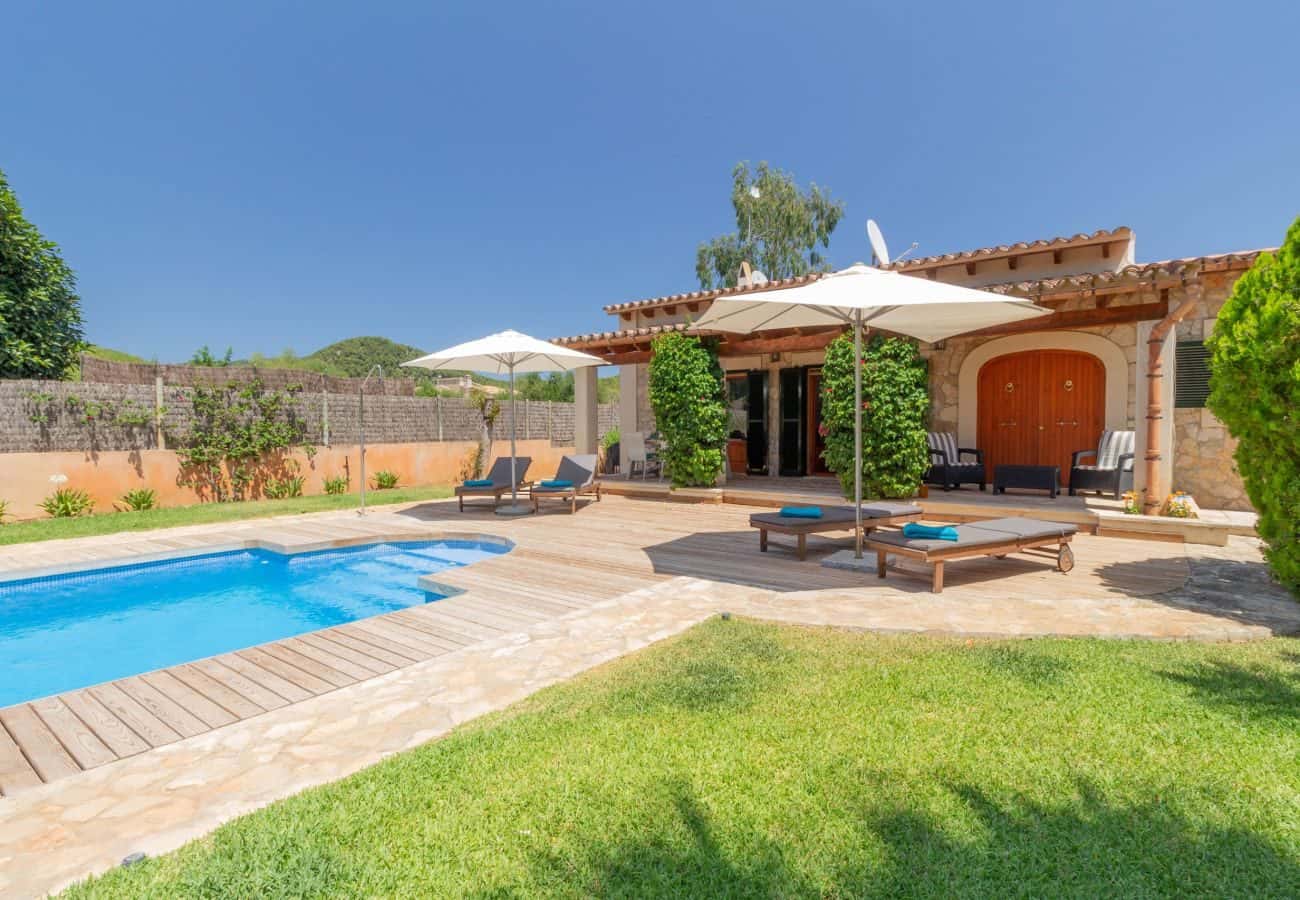
Vista Verde
near Pollença (North)
- 6 guests
- 3 bedrooms
- 3 bathrooms
Registration no.: ETV/4875
per night
€221.14 – €574.96
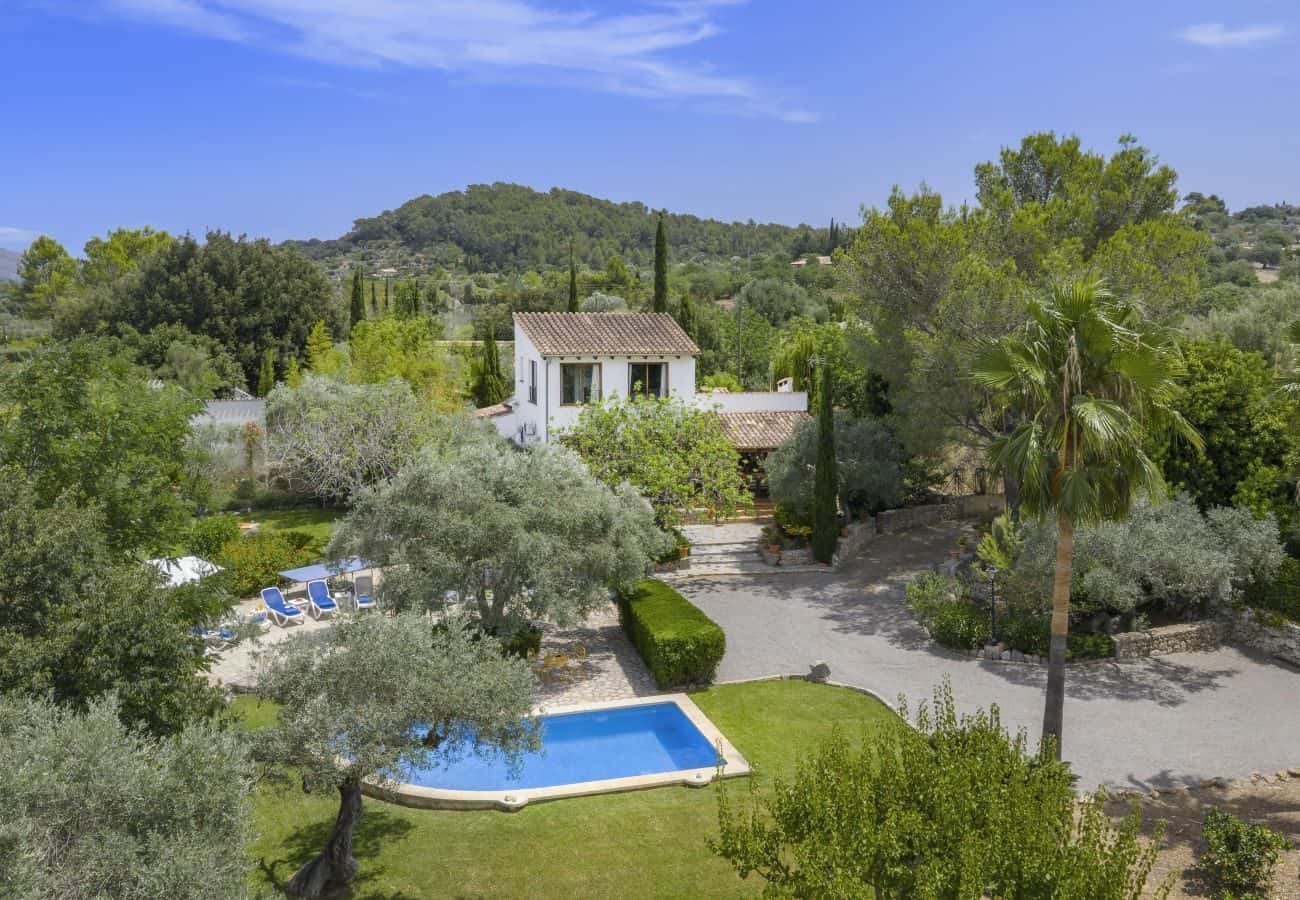
Cal Perdiu Vell
near Pollença (North)
- 6 guests
- 3 bedrooms
- 3 bathrooms
Registration no.: ETV/8616
per night
€252.11 – €671.42
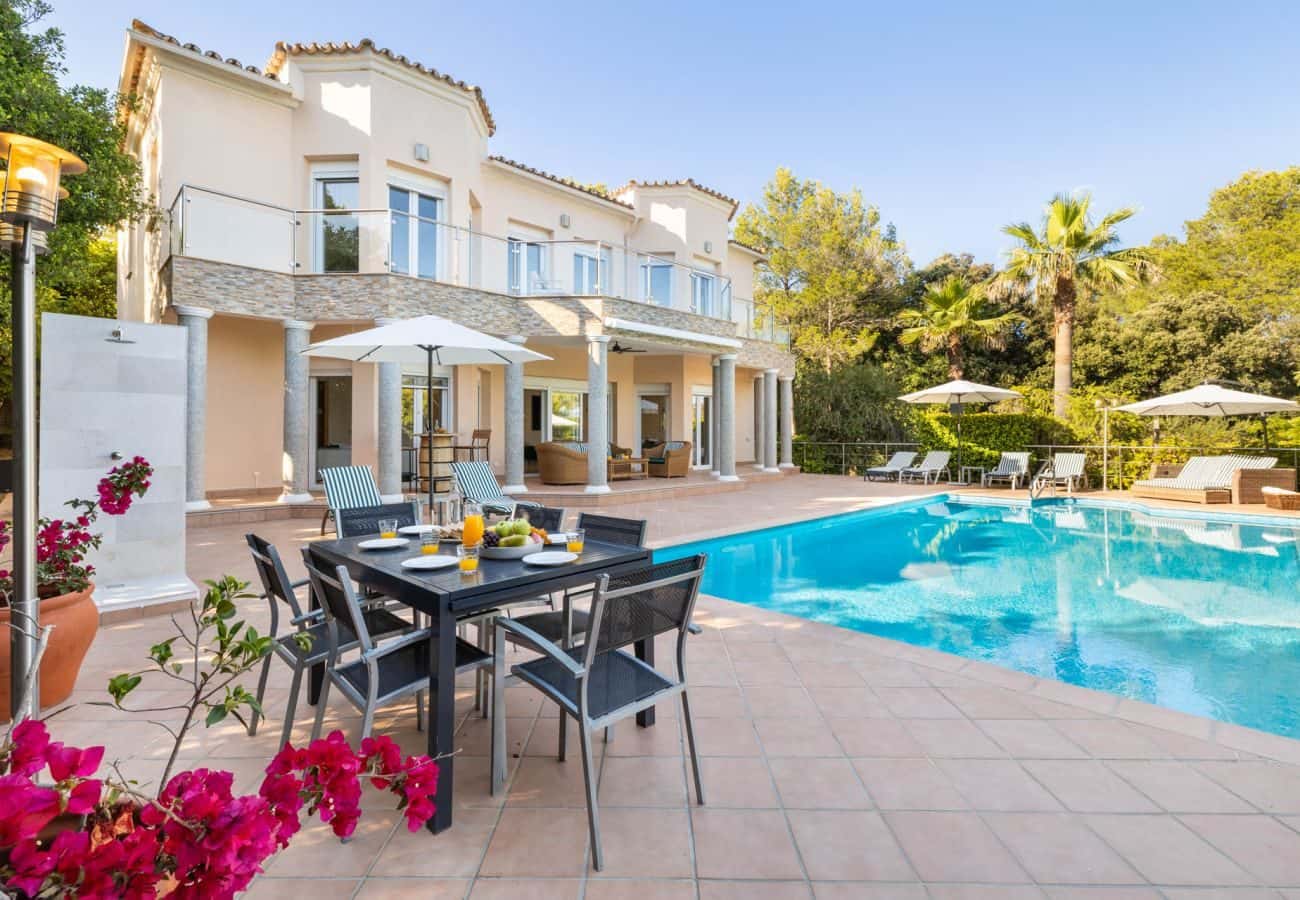
Villa Verde Subach
near Pollença (North)
- 8 guests
- 4 bedrooms
- 5 bathrooms
Registration no.: ETV/10057
per night
€336.13 – €886.55
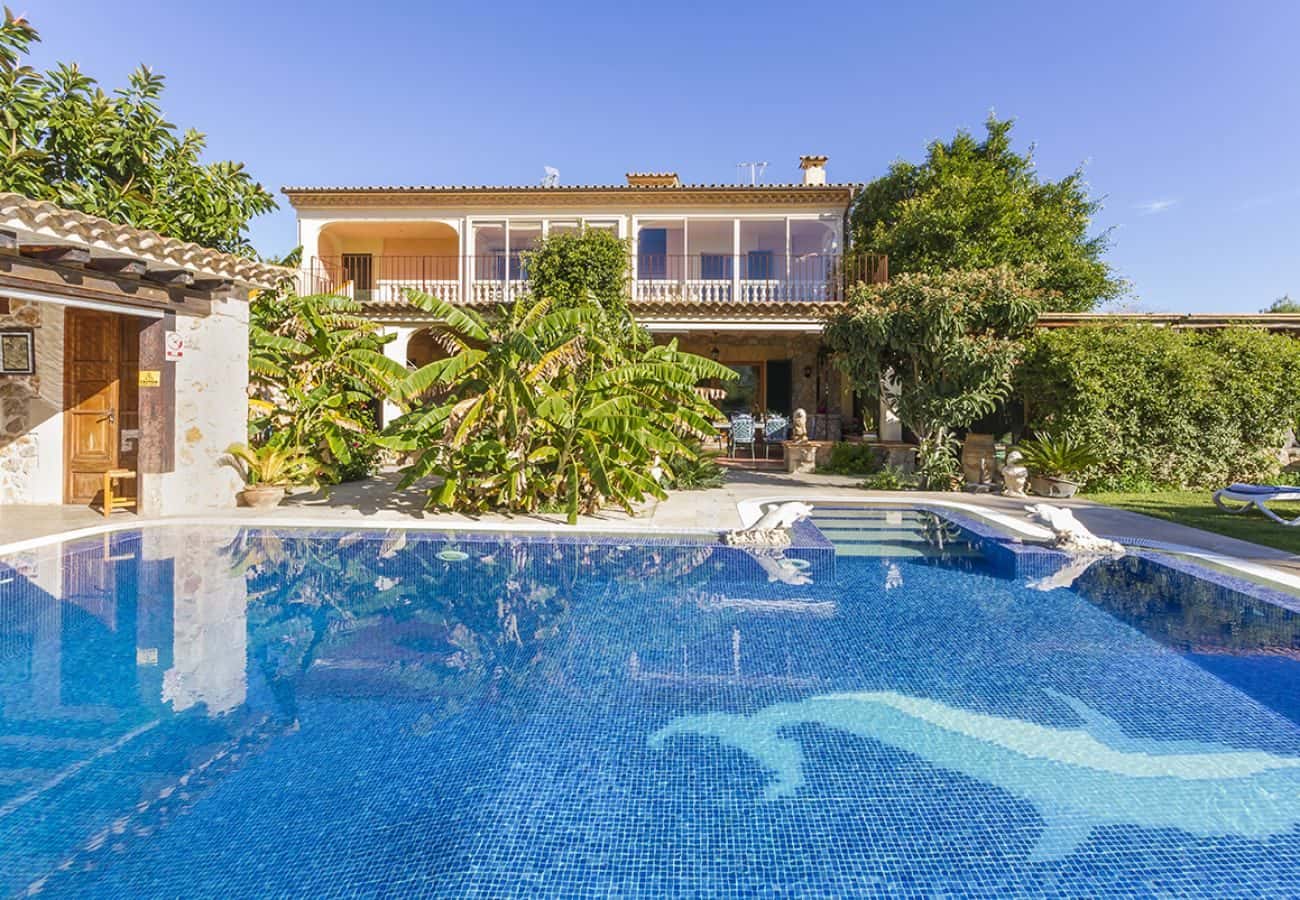
Can Josep
near Pollença (North)
- 8 guests
- 4 bedrooms
- 4 bathrooms
Registration no.: ETV/2445
per night
€423.98 – €878.25
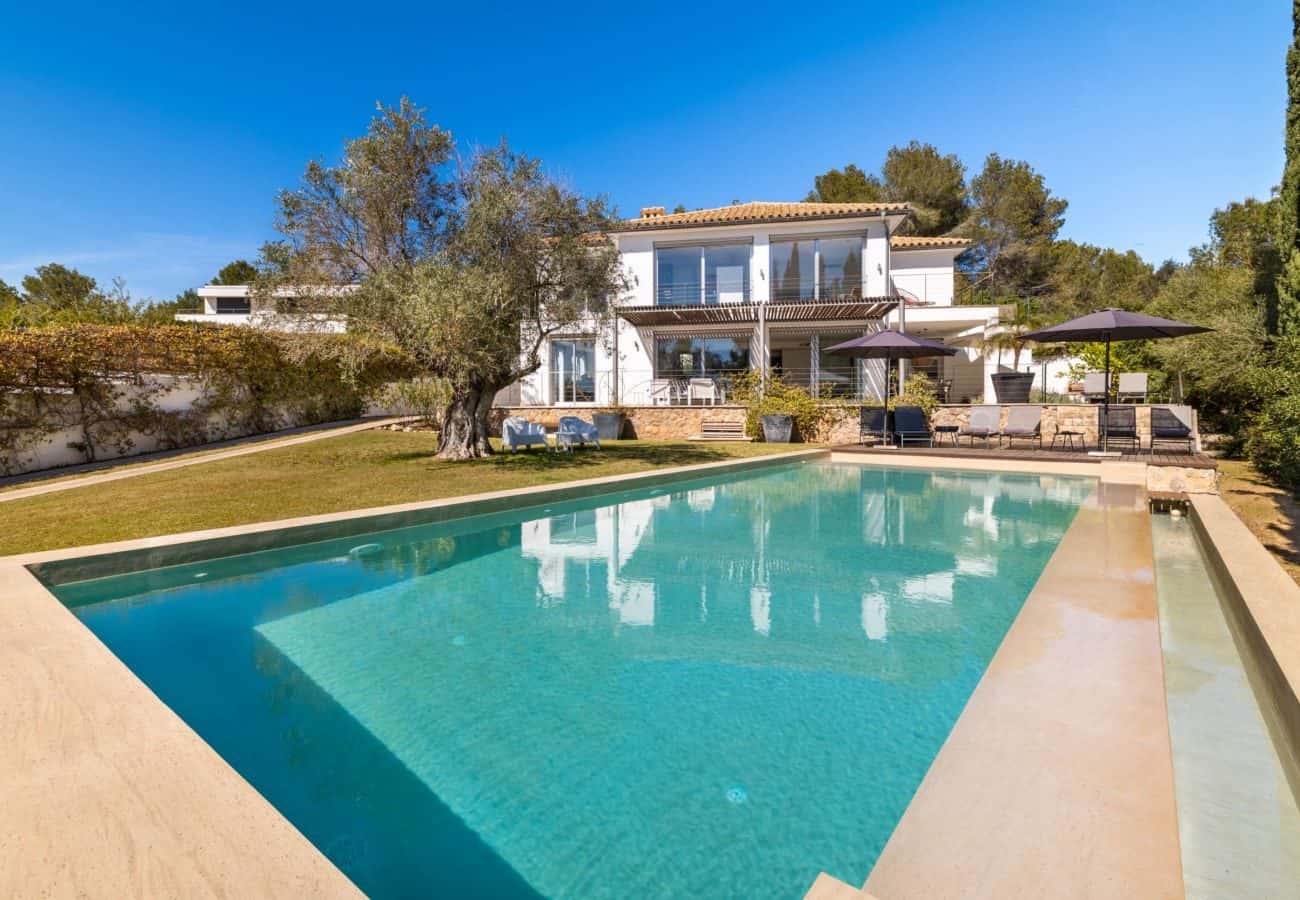
Villa Vista
near Pollença (North)
- 8 guests
- 4 bedrooms
- 4 bathrooms
Registration no.: ETV/10049
per night
€450.42 – €1,029.41
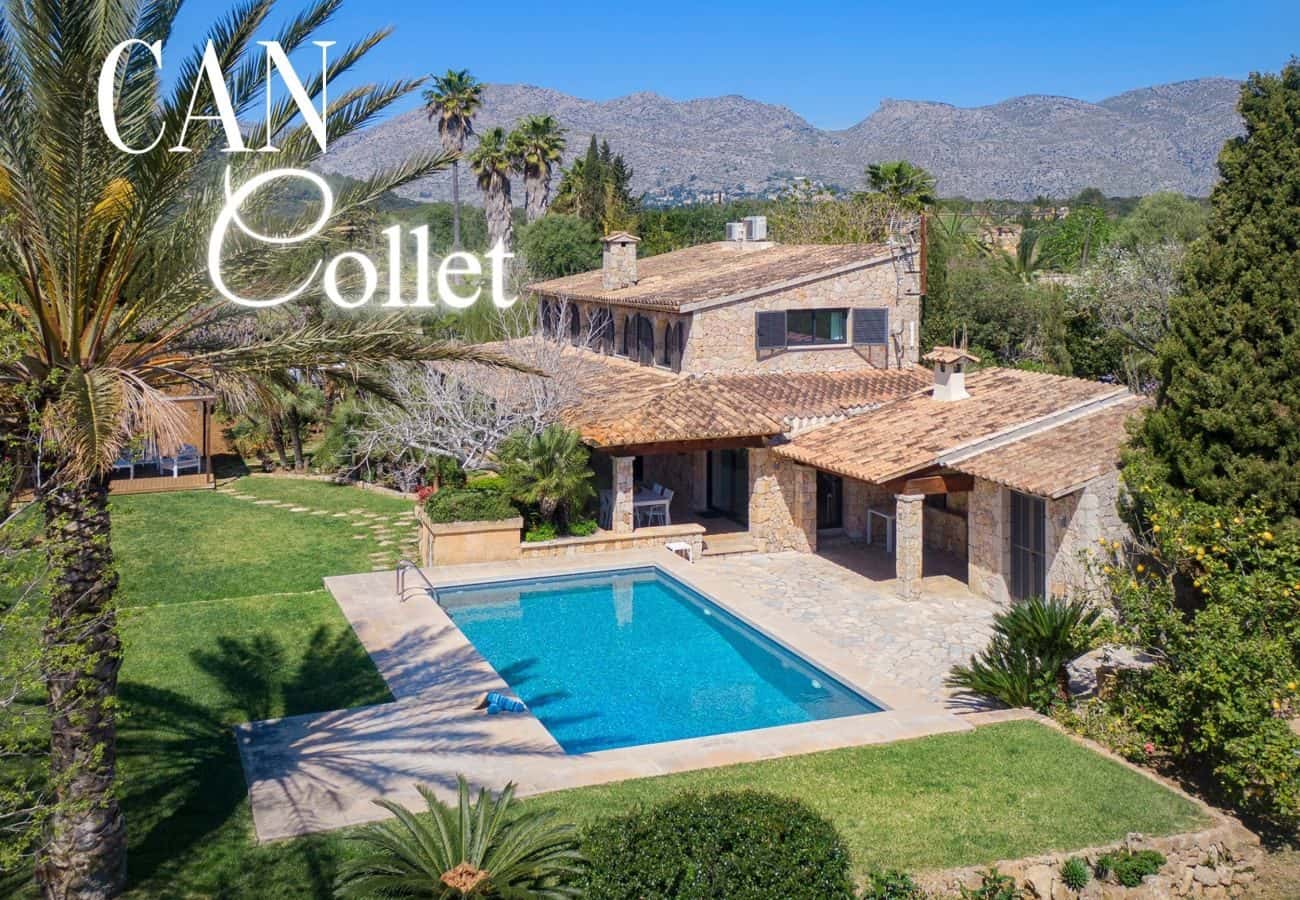
Can Collet
near Pollença (North)
- 6 guests
- 3 bedrooms
- 2 bathrooms
Registration no.: ETV/11408
per night
€478.99 – €1,260.51
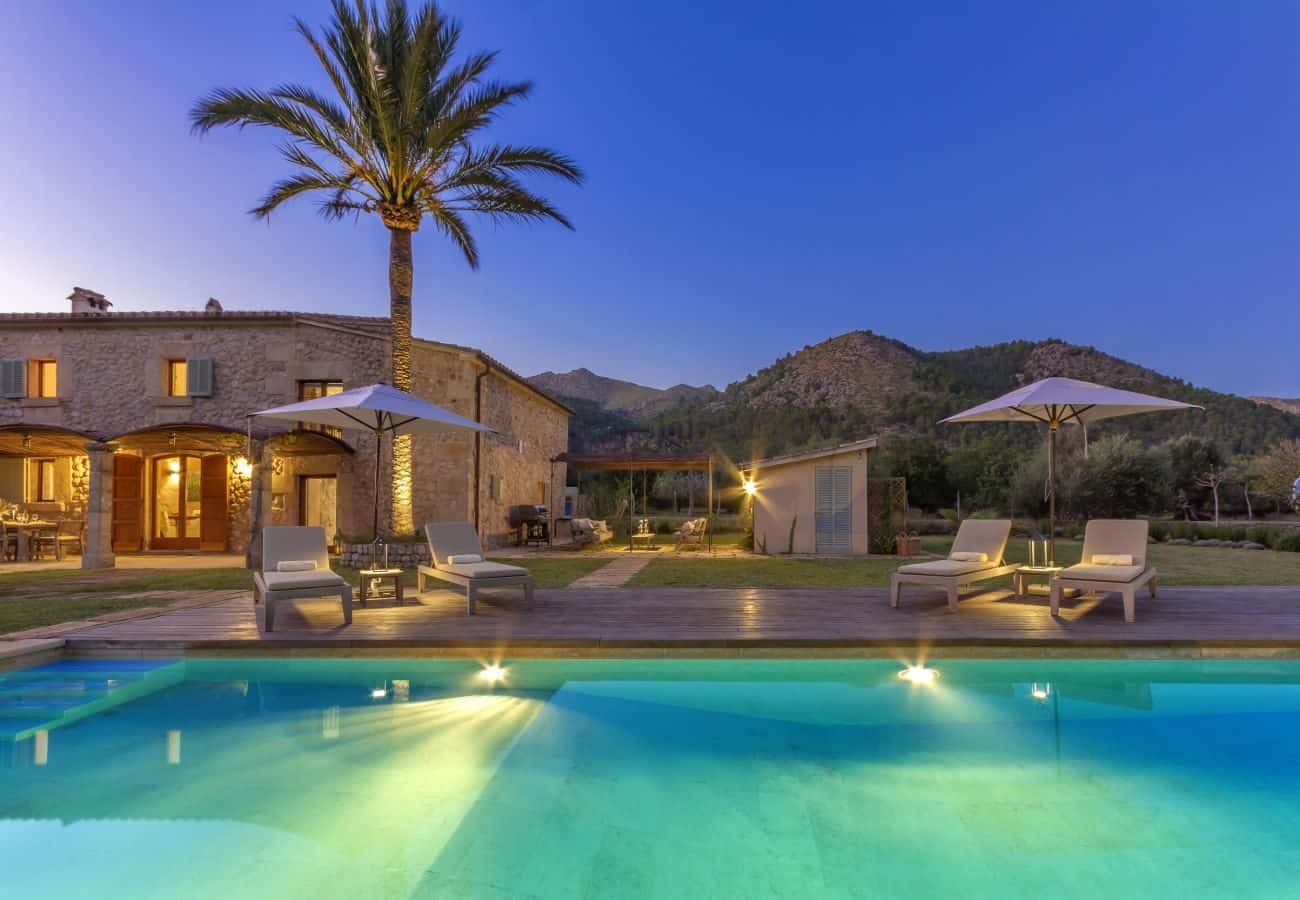
Can Pau
near Pollença (North)
- 8 guests
- 4 bedrooms
- 4 bathrooms
Registration no.: ETV/11866
per night
€533.61 – €1,260.51
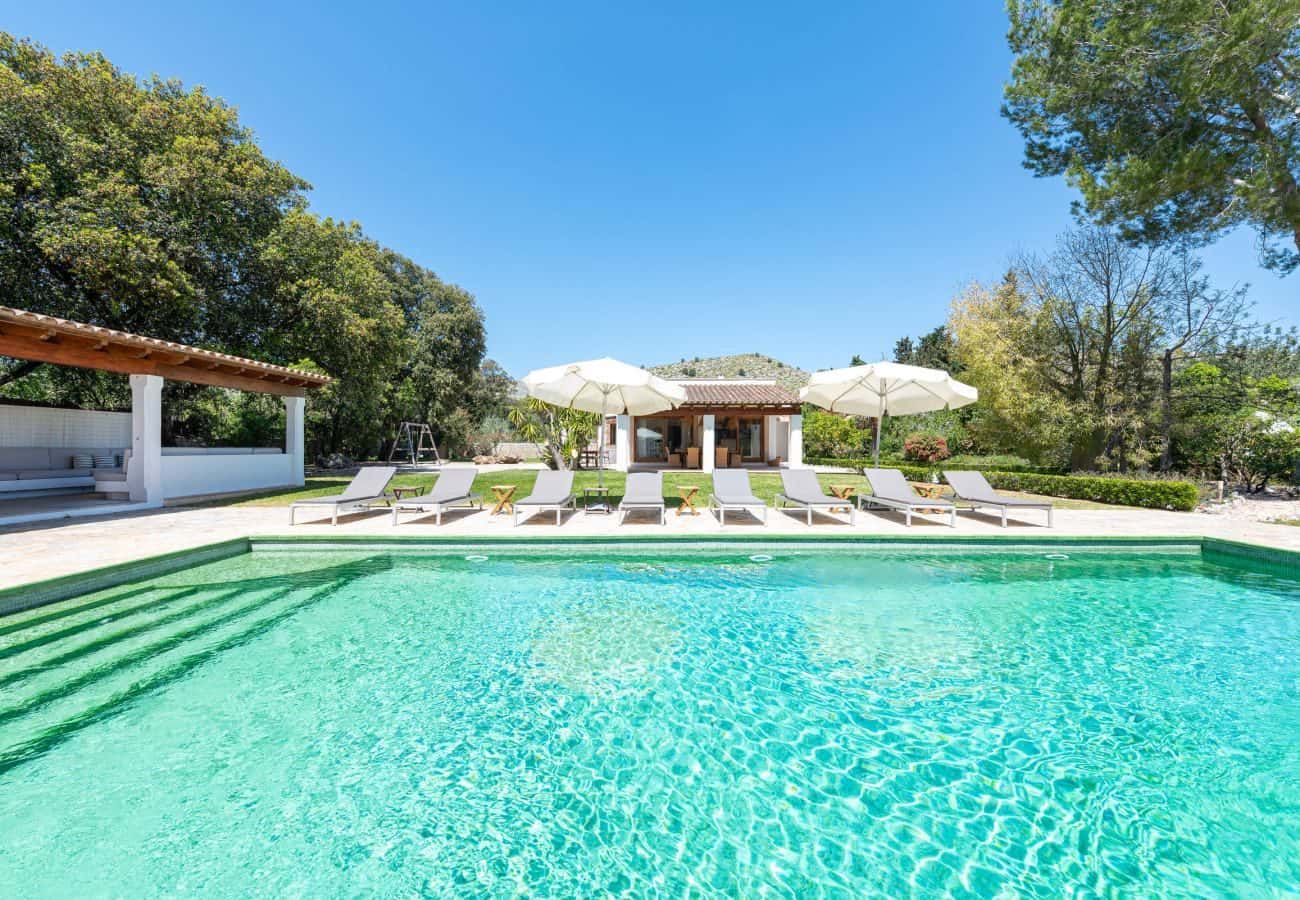
Cal Rei Gran
near Pollença (North)
- 12 guests
- 5 bedrooms
- 5 bathrooms
Registration no.: ETV/2637
per night
€714.28 – €1,806.72
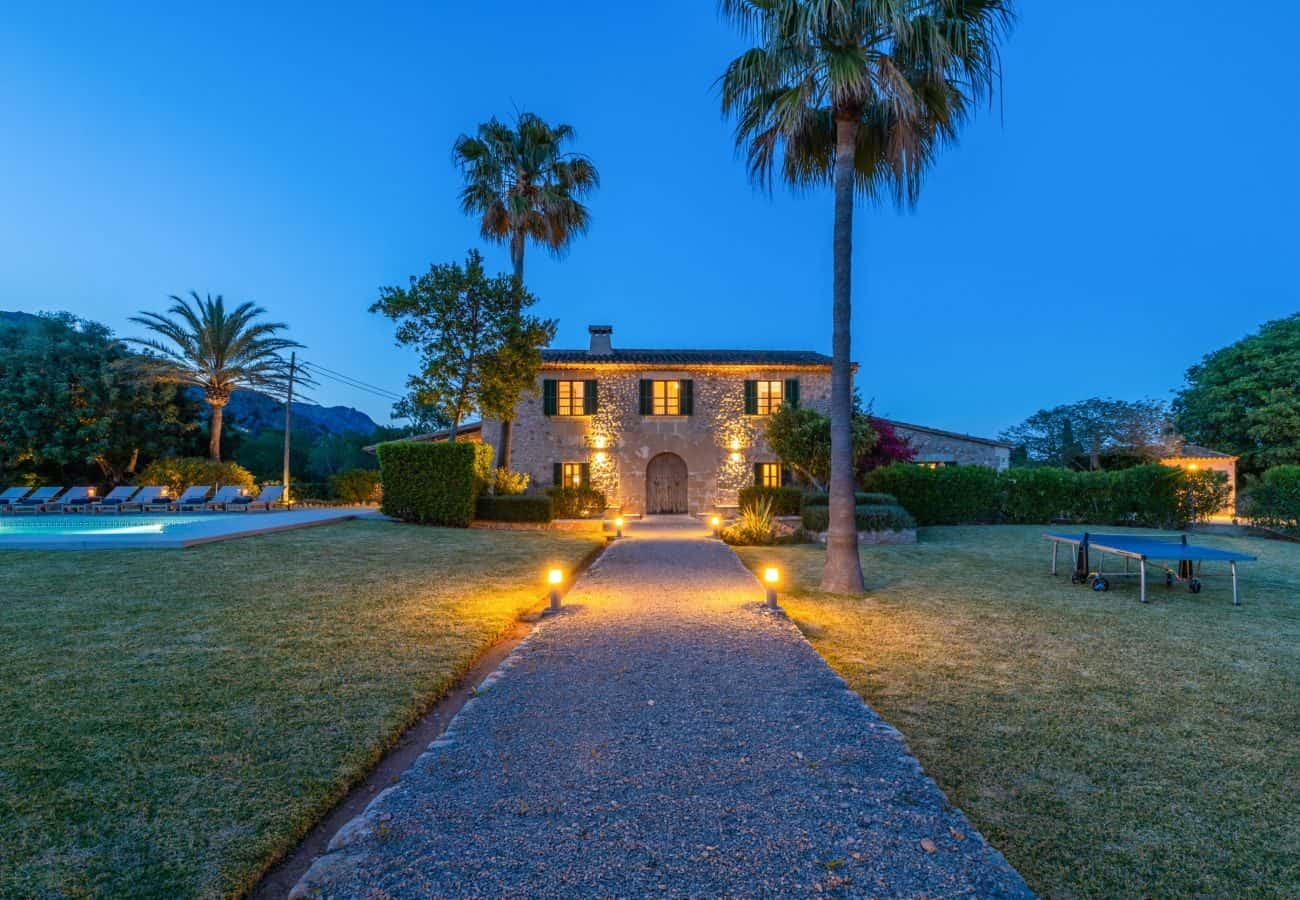
Can Corme
near Pollença (North)
- 10 guests
- 5 bedrooms
- 5 bathrooms
Registration no.: ETV/4866
per night
€1,075.64 – €2,008.40
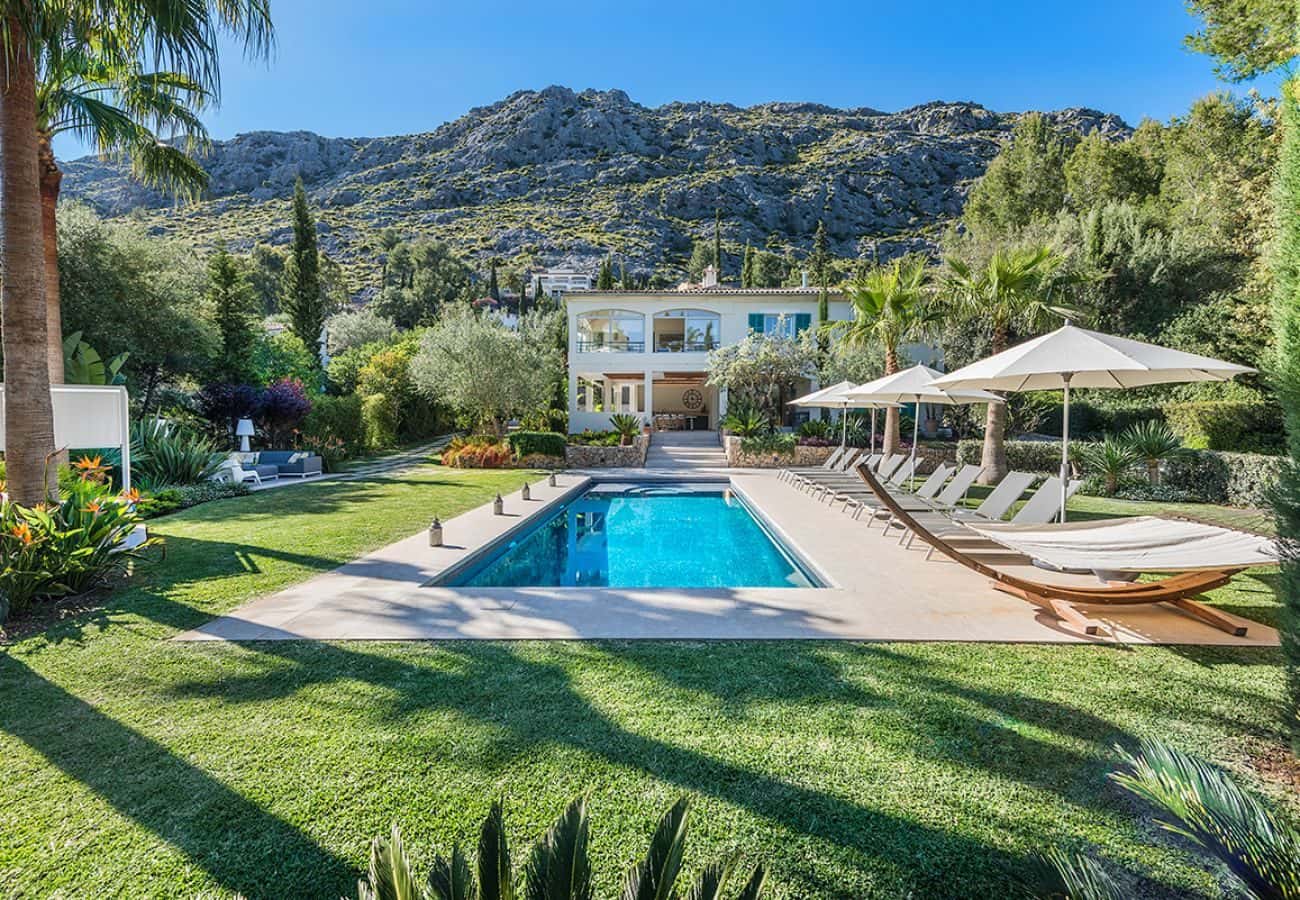
Villa Longa
near Pollença (North)
- 10 guests
- 5 bedrooms
- 5 bathrooms
Registration no.: ETV/312
per night
€1,310.93 – €1,899.16
Explore fincas by theme
Your finca in northern Mallorca as a home away from home
Anyone choosing a holiday home in northern Mallorca should first understand how differently the places along this coast operate. Alcúdia lies in the northwest of the island, nestled between the Bay of Alcúdia and the Bay of Pollença, and is also an independent municipal seat whose everyday life is by no means shaped solely by beach tourism. Important to know: Alcúdia refers to both the municipality and the historic town centre, while Platja d'Alcúdia and Port d'Alcúdia are distinct coastal areas with their own character. Those who understand this can plan their holiday much more purposefully, regardless of whether their own finca in northern Mallorca is to be closer to the historic centre or the coast.
Not every place in the north follows the same logic. If you stay in the old centre of Pollença, you are close to Plaça Major, restaurants, shops and cultural venues – an advantage that you only truly appreciate when you are looking for bread or a table for a late dinner in the evening. The character of Santa Margalida is quite different: not a seasonal holiday resort, but an established local centre with its own pace, giving you a genuine insight into everyday Mallorcan life. Can Picafort, in turn, belongs administratively to Santa Margalida, but is often perceived by holidaymakers as a place in its own right – a good example of how closely the coast and hinterland are intertwined here.
It is also worth taking a closer look at the coast itself. Port de Pollença lies directly on the bay, and anyone walking there will still come across an old landing stage in Cala Barques, a quiet relic from the time when fishing and seafaring shaped the place. Such traces can be found again and again in the north, often inconspicuously by the roadside, but carrying history with them. My tip: if you want to explore this stretch of coast at leisure, do not set out in the midday heat, but choose the late afternoon, when the light becomes softer and the paths are quieter. It is precisely in this blend of lively places and quiet corners that a finca here reveals so many facets of this island at once.
Arriving and getting oriented in the north
From Palma Airport, the route north follows well-developed roads: it is around 42 kilometres to Campanet, a manageable distance that takes you directly from the terminal into the quieter interior. Those looking to rent a finca in northern Mallorca and rely on public transport will find both rail and bus connections in Muro, practical for the first day without a rental car. Sa Pobla, meanwhile, scores with good accessibility from the Bay of Alcúdia, Pollença and Can Picafort, making it a small hub for anyone wanting to travel between the towns.
In Pollença itself, the best way to get your bearings is by using the Pollença 1, Pollença 2, Poliesportiu and CEIP Joan Mas stops. They form a manageable network covering the most important parts of the town. In Alcúdia, the bus stops are cleverly distributed: by the historic centre, near Pollèntia and at the access roads into town, so you can choose the shortest route depending on your destination. My tip for anyone travelling by rental car: because of the narrow lanes, Plaça Major in Campanet is not a destination to drive directly to. It is better to park at the edge of town and walk the last few metres; this saves you unnecessary manoeuvring.
For a trip to the north coast, the drive to Cala Barques near Cala Sant Vicenç is worthwhile: you can easily reach the bay by car via a signposted access road, and a free car park awaits you at the end of the road. Those who set off early in the morning can still find a space close to the water before the sun rises higher and more day visitors arrive. It is precisely for days like these that a peaceful finca is worthwhile as a retreat, giving you both the coast and the interior within easy reach.
Beaches between bay and cape
Between bay and cape, the north reveals several different sides of swimming. The Bay of Alcúdia is considered highly suitable for families, as can be seen from the facilities along the water. Playa de Muro is located right here: a long sandy beach with gently shelving water, plus dunes and pine trees that give the turquoise-blue sea a tranquil setting. In Alcúdia, wide sandy beaches and tourist infrastructure on the nearby bay ensure that families with children have short distances between sun lounger, ice cream and water. Anyone looking for a holiday apartment in northern Mallorca for their holiday almost always chooses everyday life at the beach along with the bay.
Coll Baix is entirely different: a pebble beach with fine gravel that first has to be earned via a footpath. There is no reliable natural shade or rental umbrellas there, making it rather unsuitable for families wanting a shallow sandy beach. Those who arrive with a good book and water shoes, on the other hand, will find a peace here that is hardly available on the livelier stretches of coast. My tip: anyone heading for Coll Baix should set off early and bring water, because shade and infrastructure are deliberately absent.
Albercuix shows how different even neighbouring beach sections can be: the sandy area is narrow here, but the seabed is sandy, which provides secure footing especially for small children, even if a larger sandy area would be more practical. Check the signage at the access point and any possible seasonal restrictions before settling in for the day. Those who prefer it livelier will find a completely different scene in Port de Pollença, with its beach, promenade, harbour and water sports offerings on the large bay, than in the quieter coves farther east. For anyone still undecided in the morning at their own finca, this very change between quiet pebble coves and lively locations with infrastructure is worthwhile.
Churches, monasteries and village history
Those who want to understand the history of the north will find more than mere stones in the village churches. In Campanet, the parish church stands on the main square; it dates back to the 18th century. Just a few steps away, the church of Sant Miquel preserves an altarpiece from the 16th century depicting Saint Michael, as well as a carved wooden Christ, a furnishing worth taking the time to look at. Around the village, caves, natural springs and further historic churches complement the picture of a municipality that has retained much of its old character. My tip: Visit the church on a quiet weekday morning, when you can admire the altarpiece without a tour group immediately filing through the pews.
Santa Margalida is also worth a detour away from the coast, with a village centre that has retained its own pace. Plaça de la Vila, with its town hall, stately residences and parish church, forms the centrepiece, joined by older houses that speak of the village's established character. A monument in the square commemorates Catalina Tomàs, depicted with a broken water jug. The parish church itself dates back to the Middle Ages and displays parts of a Gothic retable as well as later furnishings inside. Those who prefer to have the tranquillity of such a square entirely to themselves should come in the early evening, when the heat subsides and the façades are bathed in warm light.
Higher up lies Lluc Monastery, framed by mountains in the heart of the Tramuntana – a place where the mountains seem to lay a protective hand around the old monastery walls. Those who continue from there will find another monastery in Pollença, at Puig de Maria, whose origins date back to the 15th century and which holds its place on a hill of its own. Such places connect landscape and religious history in a way best explored on foot, with plenty of time for views along the way. After a day among church towers and monastery walls, the evening on your own finca terrace feels just that little bit more peaceful.
Markets, shops and restaurants in the north
Weekly markets set the rhythm of many villages in the north. In Sa Pobla, the stalls line up from Plaça Major to Plaça del Mercat, with Carrer Mercat in between, and those who walk through will find fruit, vegetables and other produce from the surrounding area. In Pollença, the market takes place on Sundays, with food, plants and handicrafts among the stalls. Those who prefer something more manageable can visit the market in Santa Margalida, which is smaller in winter than during the warmer months. My tip: Those who arrive early in the morning get the best choice of stalls and do not have to push their way through crowds.
Away from market days, everyday needs are still well catered for in the villages. In the centre of Muro, you will find grocery shops, restaurants, hairdressers, beauty businesses, fashion options as well as courier and logistics services, all grouped together within short distances. In Campanet, grocery shops and supermarkets are particularly well represented, making daily shopping straightforward. Those who stroll through Muro outside market days will experience the centre as quieter and easier to photograph, albeit without the bustle of market days.
On the coast, the offering shifts towards dining and leisure. Around Cala Barques, restaurants, cafés and bars are lined up alongside one another, while in the northern area of Platja de Muro, beach clubs and restaurants cater for longer days at the beach. In the residential area of Alcanada, La Terraza, Alcanada 35 Restaurante and Restaurant Club de Golf Alcanada invite you to dine. It is different at Coll Baix: there are no toilets, drinking water or food options directly by the shore, so it is worth packing a full backpack if you are heading there. After a market day or an afternoon at the beach, it is a lovely feeling to return to your own finca and simply wind down from the shopping in your own kitchen.
Who the north is a good fit for
Families with children will find plenty in the north within short distances. The Bay of Alcúdia is considered exceptionally suitable for families, with wide sandy beaches and tourist infrastructure directly on the nearby bay. For rainy days or hot midday hours, the Coves de Campanet are a good option: limestone formations and underground chambers make geology tangible for children, entirely without any question of bathing or weather. Anyone wishing to rent a finca in the north of Mallorca with the whole family will thus have both beach days and a cool outing during hot weather within easy reach.
Anyone who wants to get around more often on foot or by bike instead of constantly getting in the car should pay attention to their base. In the centre of Sa Pobla, many everyday errands can already be done without a vehicle, making for quieter mornings and a slower pace of daily life. The historic centre of Pollença is quite different: cobblestones, slopes and narrow walking areas are noticeable there, which should be taken into account when choosing accommodation if mobility is limited. My tip: Those who use a wheelchair or have difficulty walking should plan their visit to the old town for the cooler morning hours and choose accommodation in a suitably level location.
Not every beach trip with children works equally well. At Arenal des Casat, the entry into the water is shallow, but the lack of shade, possible waves and no lifeguard supervision make it only partially suitable for families. For small children, a rule of thumb applies: a generous stretch of sand for digging and playing is often more practical than one of the tiny, rocky coves – at Albercuix, however, the sandy area itself is narrow, even though the sandy bottom in the water provides secure footing. It is precisely for such considerations that the perspective of someone familiar with the area is worthwhile before the day at the beach begins – and that is exactly why a peaceful retreat between excursions is so valuable.
Practical tips for everyday life in the north
Those who live in Sa Pobla can take care of many everyday journeys in the centre on foot or by bicycle. However, living entirely without a car depends greatly on personal routines, such as how often trips to other places are planned. In Muro, meanwhile, you will find a solid basic range of grocery shops, restaurants, hairdressers, beauty businesses, fashion options, as well as courier and logistics services in the main town, making everyday life beyond the finca pleasantly straightforward.
In the historic centre of Pollença, it is worth being mindful: cobblestones, inclines and narrow pedestrian areas matter if limited mobility is an issue, and you should consider this when choosing accommodation. The Plaça Major in Campanet is also not somewhere you should drive to directly because of its narrow streets, but rather explore on foot after parking nearby.
At the beach Cala Barques near Cala Sant Vicenç, the rules for dogs depend on signage and the season, while the weekly market in Santa Margalida is smaller in winter than in the warmer months. My tip: if you want to shop there in winter, allow a little more time or opt for a larger market day in the surrounding area. Such small peculiarities make the north a place where everyday life in a finca fits in quite naturally.
Frequently asked questions
Which beaches in the north are particularly suitable for families with small children?
The Bay of Alcúdia is considered excellent for families, with wide sandy beaches and tourist infrastructure close to the water. Playa de Muro also stands out for its long sandy beach and shallow water. Those looking for wild pebble beaches like Coll Baix should know that there is no shallow sandy beach or shade there; this is more suitable for couples than for families with small children.
Is Sa Pobla a good base without your own car?
Sa Pobla is conveniently located between the Bay of Alcúdia, Pollença and Can Picafort and is easy to reach from there. In the town centre itself, you can comfortably take care of many daily errands on foot or by bike, without having to take the car for every errand. However, whether everyday life works entirely without a car depends greatly on your personal habits and on how often destinations outside the town tempt you.
At what time does the Sunday market open in Pollença, and how does the market in Sa Pobla differ?
In Pollença, Sunday belongs to the market stalls: food, plants and handicrafts alternate between Plaça Major and the surrounding lanes. Sa Pobla has its own market activity, stretching from Plaça Major along Carrer Mercat to Plaça del Mercat, with stalls full of fruit, vegetables and produce from the surrounding region. Both places show how differently market days are experienced in northern Mallorca – one with handicrafts and the scent of plants, the other focused entirely on fresh produce from the fields.
How far is it from Palma Airport to the north of the island?
As a rough guide: the route from Palma Airport to Campanet is around 42 kilometres. Alcúdia is located in the northwest of the island, between the Bay of Alcúdia and the Bay of Pollença – the exact driving time ultimately always depends on which municipality in the north you choose as your destination.
What makes the historic centre of Pollença attractive for a stay?
Those staying in the old centre of Pollença have short distances to the Plaça Major, restaurants, shops and cultural venues. Quickly picking up some bread in the evening or finding a table for a late dinner is almost effortless here. Please note: cobblestones, slopes and narrow walking areas characterise the old town and may be relevant when choosing accommodation for those with limited mobility; it is worth considering this in advance.
Is a trip to the Son Real necropolis worthwhile, and what should you bring?
Instead of a towel and water shoes, sturdy footwear and sun protection belong in your bag here, as the site places different demands on you than a day at the beach. The visit is a worthwhile item on the itinerary for those interested in history and can be easily combined with a day on the nearby coast.