
Finca in Palma de Mallorca: city life between cathedral and sea
An espresso at the counter, accompanied by the clatter of dishes, while the baker next door is already taking the third batch of ensaimadas out of the oven: in Palma, the day begins with a tapestry of sounds that no resort on the island can replicate. A man in a suit rushes past, a neighbour pushes her shopping trolley towards the market, and somewhere behind the façades, the bells of La Seu Cathedral ring. A finca in Palma de Mallorca places you right in the middle of this coexistence of everyday life and history, where the city truly lives rather than merely puts on a show. Not a sleepy holiday idyll, but a place with a genuine rhythm, sustained even in winter by working people, students and commerce. Anyone who has ever searched in vain for an open café in the evening at some arbitrary holiday complex knows how to appreciate the difference. I would be happy to show you where this city has its quiet corners and where life is bustling, which lanes are worthwhile and when you can have the cathedral all to yourself. Palma is not for everyone: those seeking silence, rural expanses and a noiseless winter are more likely to find them elsewhere on the island. But those who want to combine history, sea, culture and vibrant city life within walking distance will find what they are looking for here. The bay lies broad and open in the southwest of the island, while the city itself tells of Roman origins, a long Muslim influence and the conquest on 31 December 1229 – you can feel all of this as you walk through the narrow lanes of the old town. Let me show you why a stay in this special blend of urban pulse and Mediterranean flair is worthwhile.
We currently have no accommodation in Palma
These properties across Mallorca may suit you.
11 properties found11 Holiday rentals in Mallorca
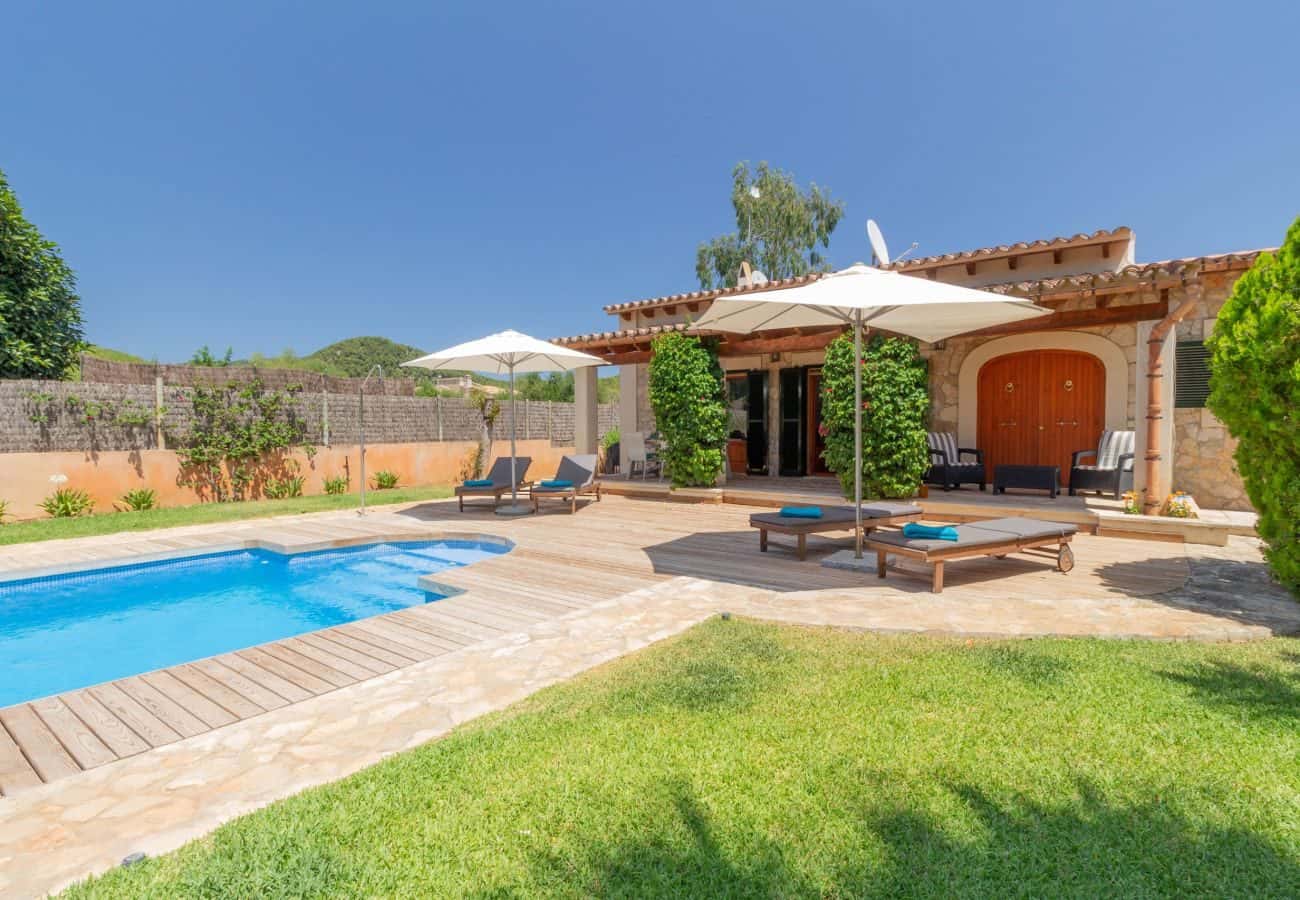
Vista Verde
near Pollença (North)
- 6 guests
- 3 bedrooms
- 3 bathrooms
Registration no.: ETV/4875
per night
€221.14 – €574.96
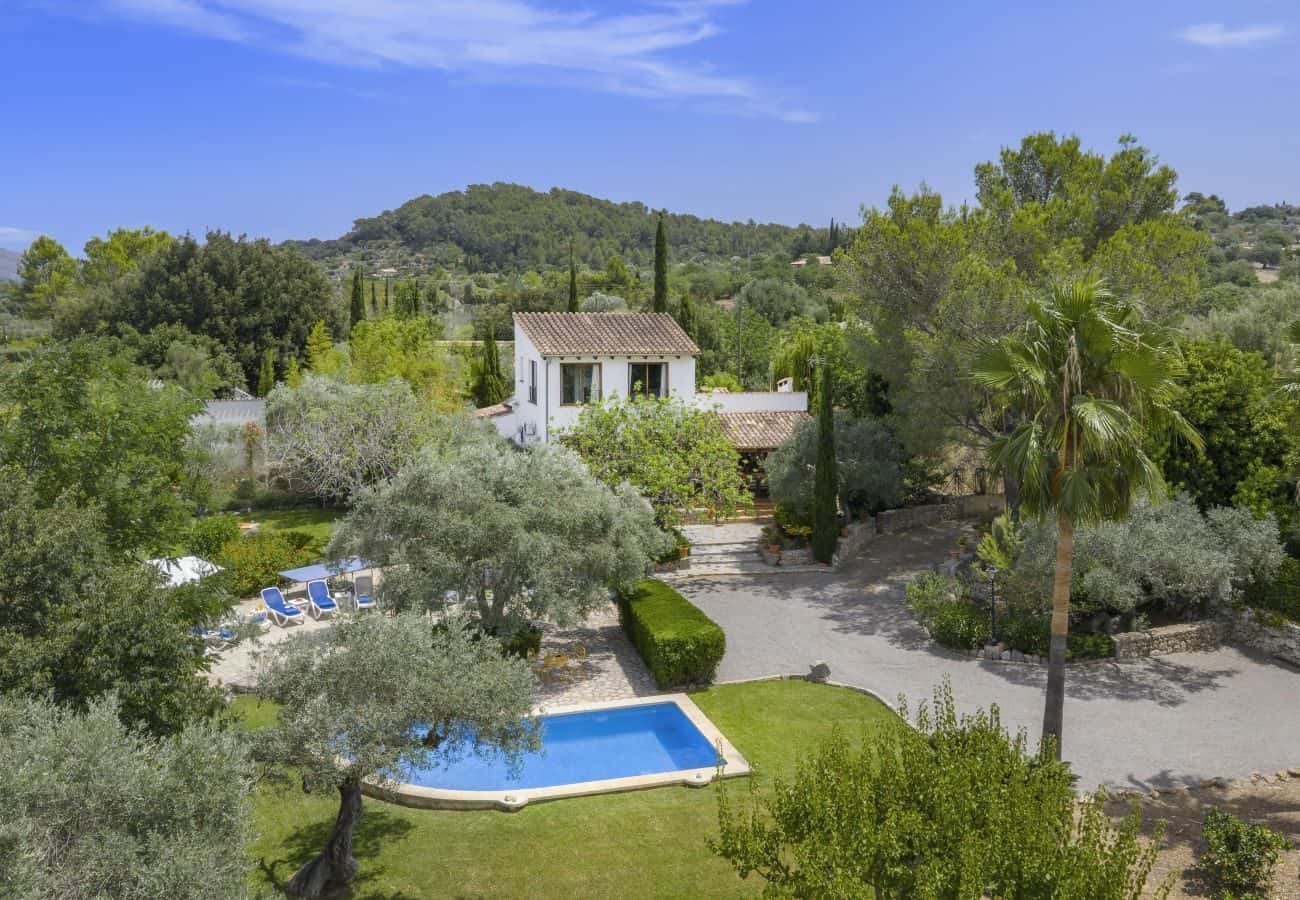
Cal Perdiu Vell
near Pollença (North)
- 6 guests
- 3 bedrooms
- 3 bathrooms
Registration no.: ETV/8616
per night
€252.11 – €671.42
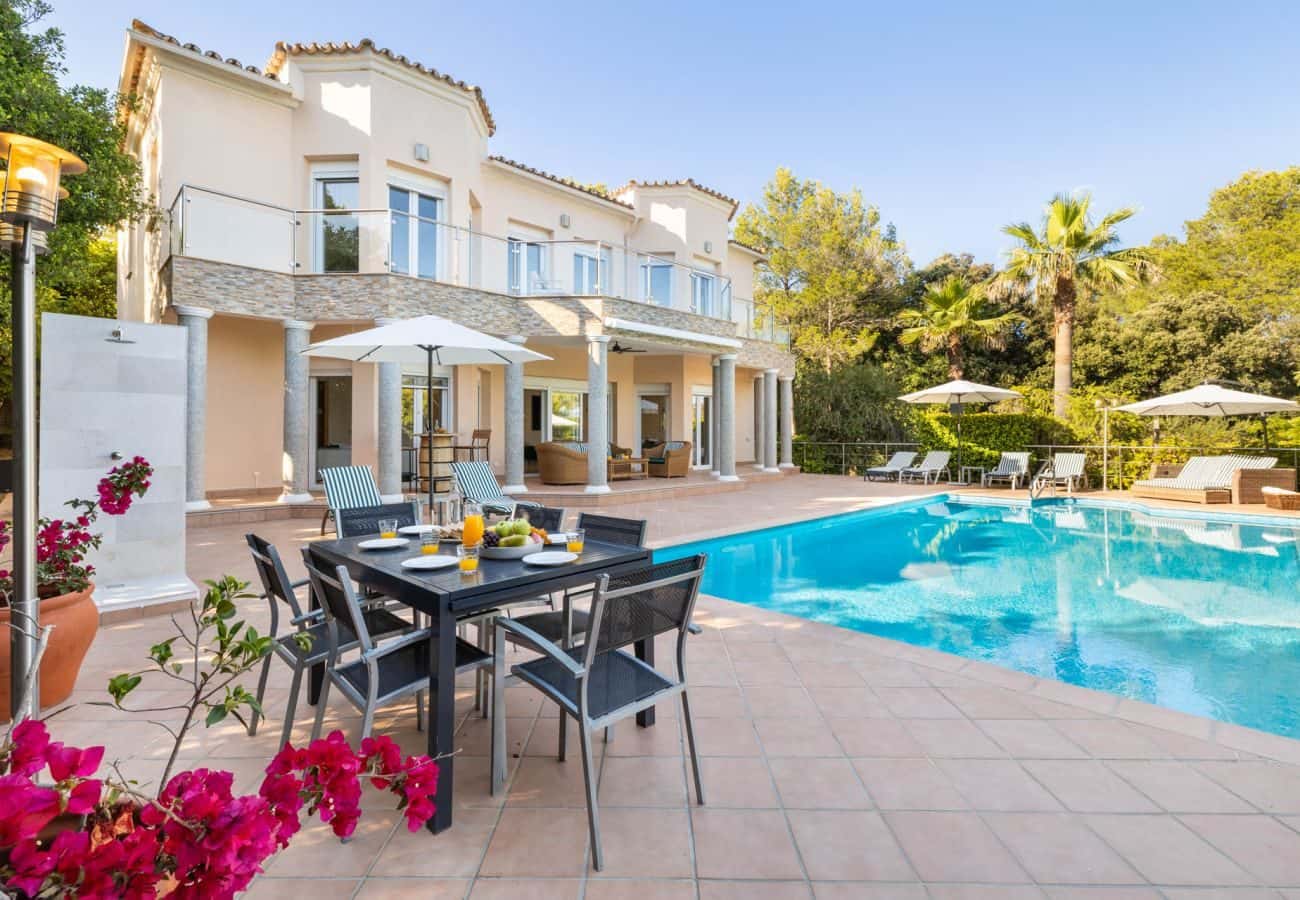
Villa Verde Subach
near Pollença (North)
- 8 guests
- 4 bedrooms
- 5 bathrooms
Registration no.: ETV/10057
per night
€336.13 – €886.55
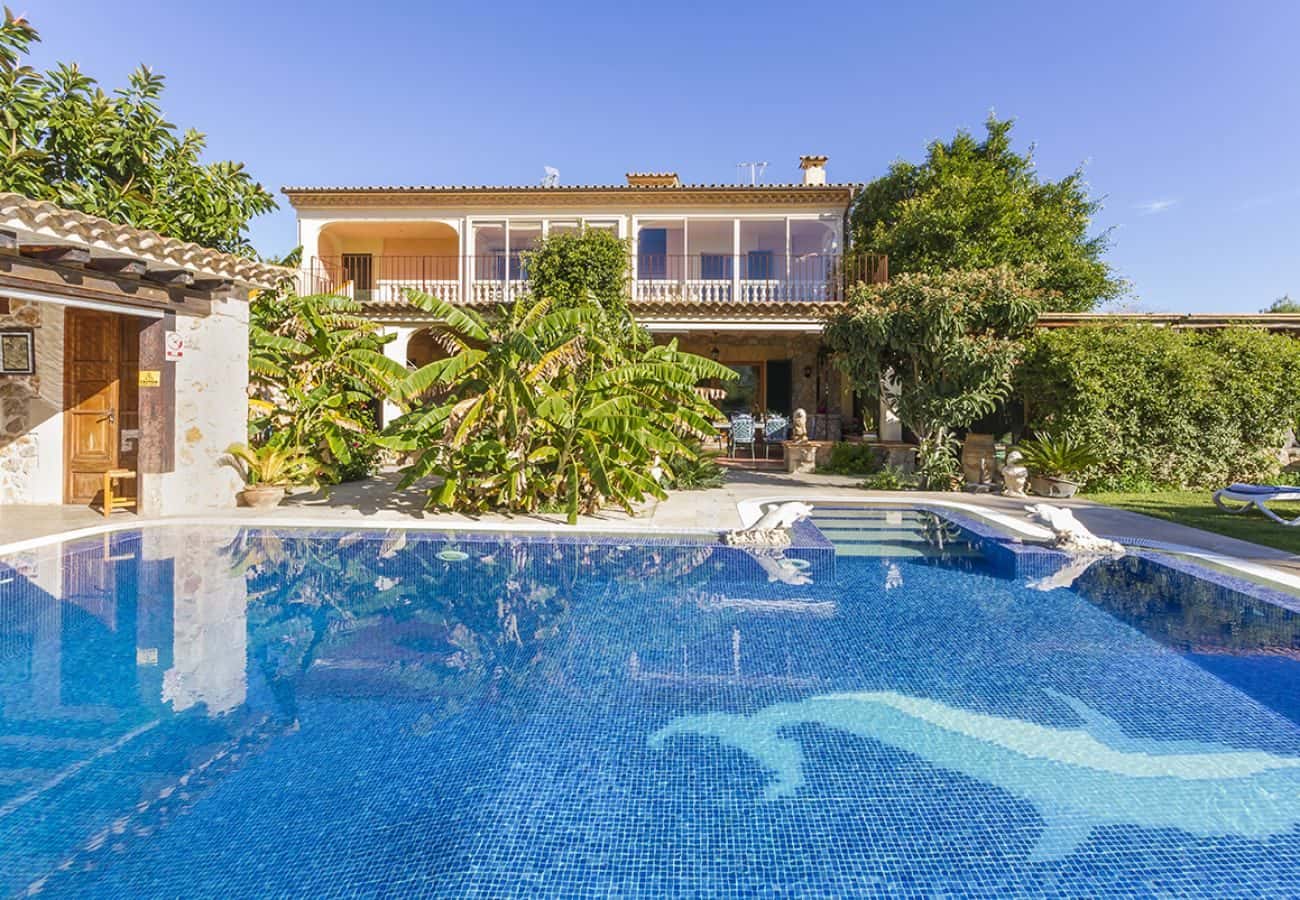
Can Josep
near Pollença (North)
- 8 guests
- 4 bedrooms
- 4 bathrooms
Registration no.: ETV/2445
per night
€423.98 – €878.25
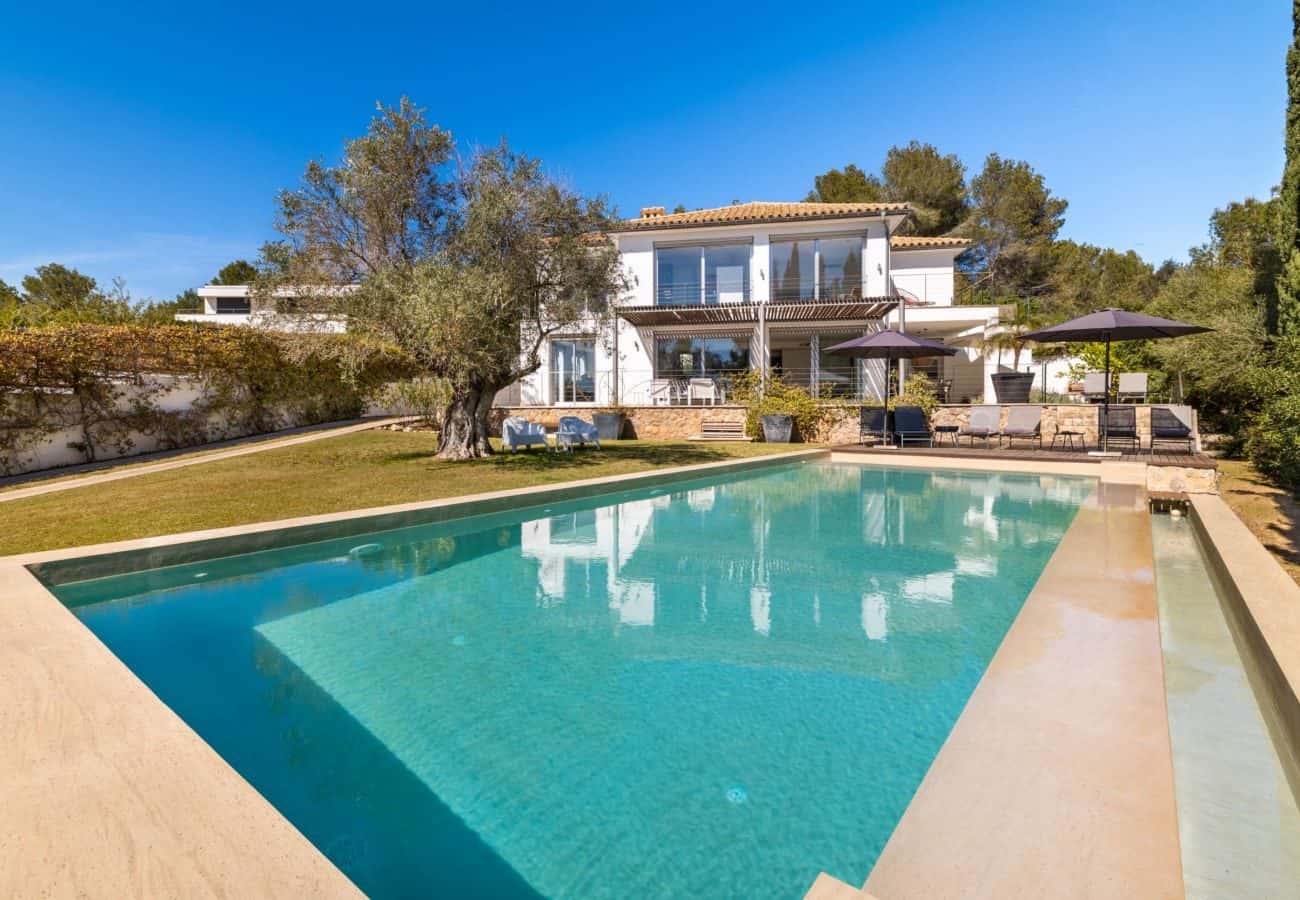
Villa Vista
near Pollença (North)
- 8 guests
- 4 bedrooms
- 4 bathrooms
Registration no.: ETV/10049
per night
€450.42 – €1,029.41
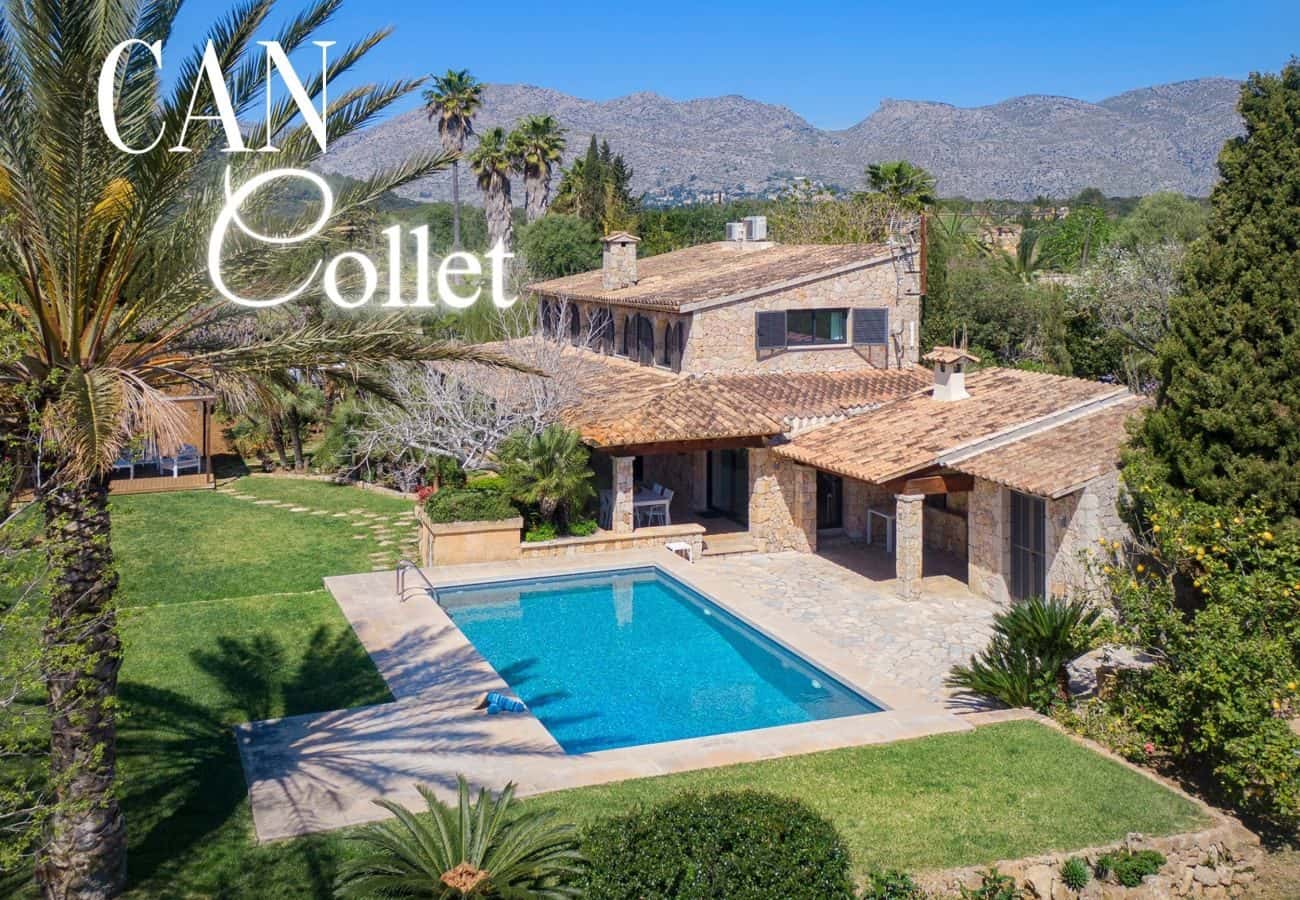
Can Collet
near Pollença (North)
- 6 guests
- 3 bedrooms
- 2 bathrooms
Registration no.: ETV/11408
per night
€478.99 – €1,260.51
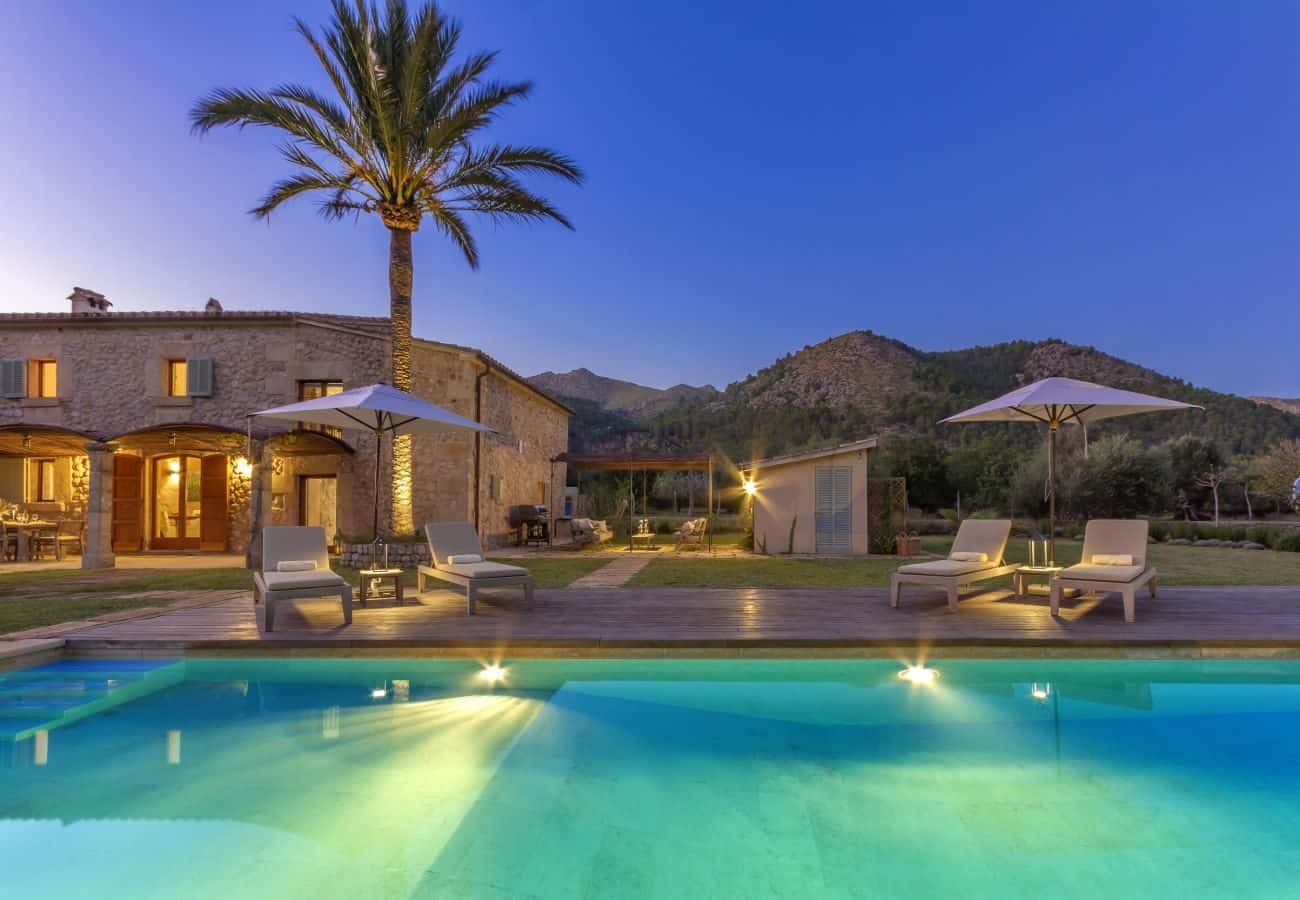
Can Pau
near Pollença (North)
- 8 guests
- 4 bedrooms
- 4 bathrooms
Registration no.: ETV/11866
per night
€533.61 – €1,260.51
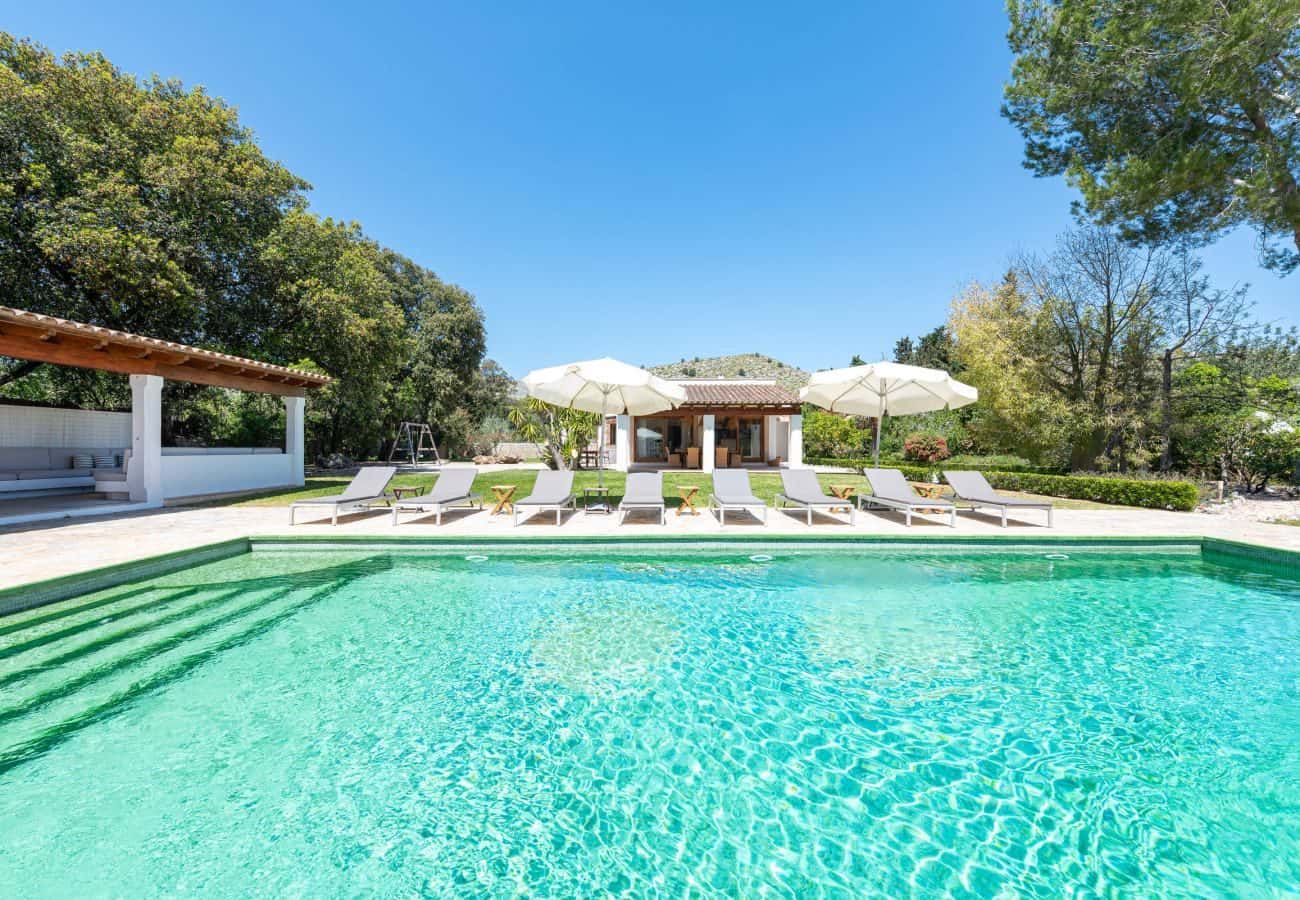
Cal Rei Gran
near Pollença (North)
- 12 guests
- 5 bedrooms
- 5 bathrooms
Registration no.: ETV/2637
per night
€714.28 – €1,806.72
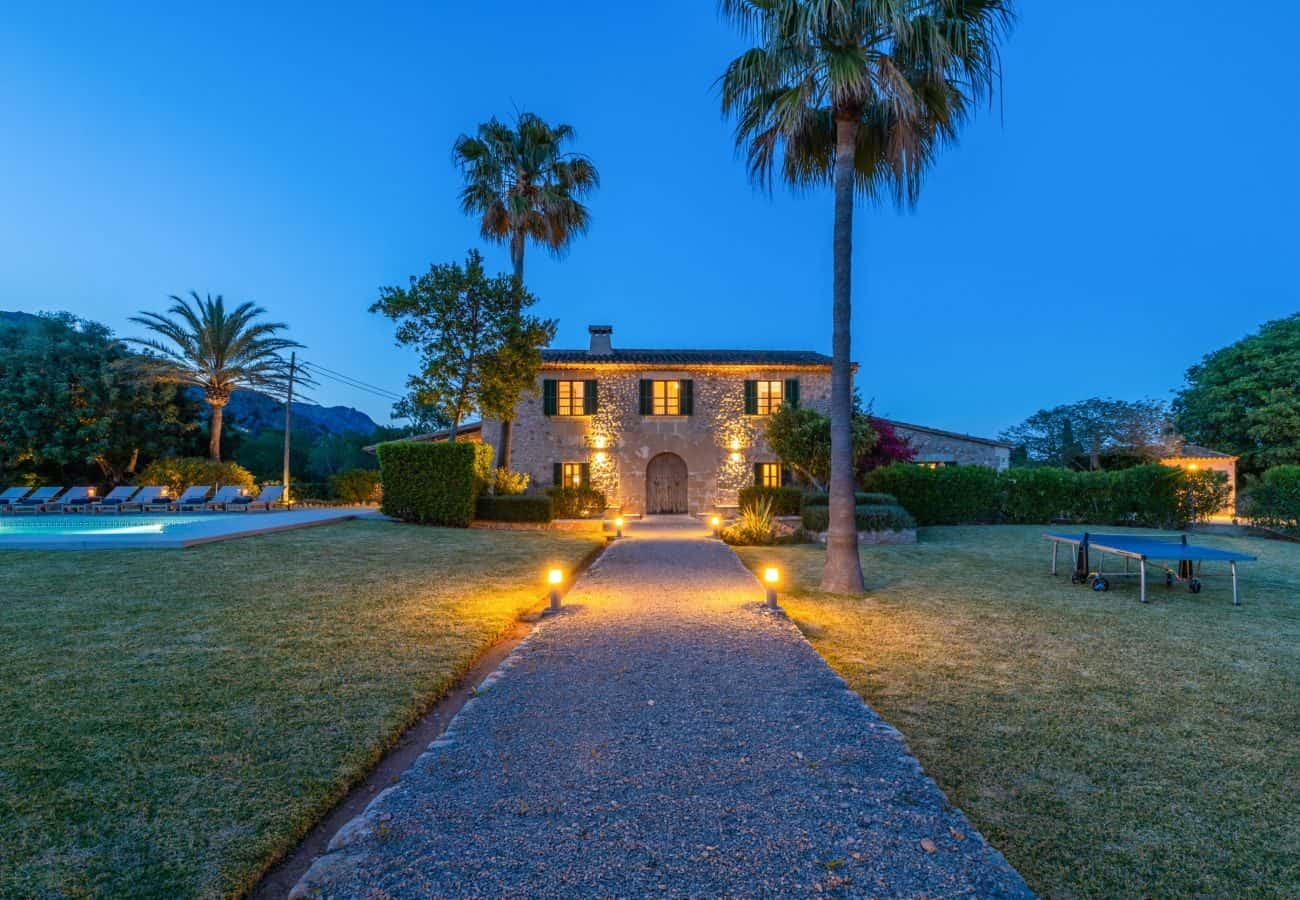
Can Corme
near Pollença (North)
- 10 guests
- 5 bedrooms
- 5 bathrooms
Registration no.: ETV/4866
per night
€1,075.64 – €2,008.40
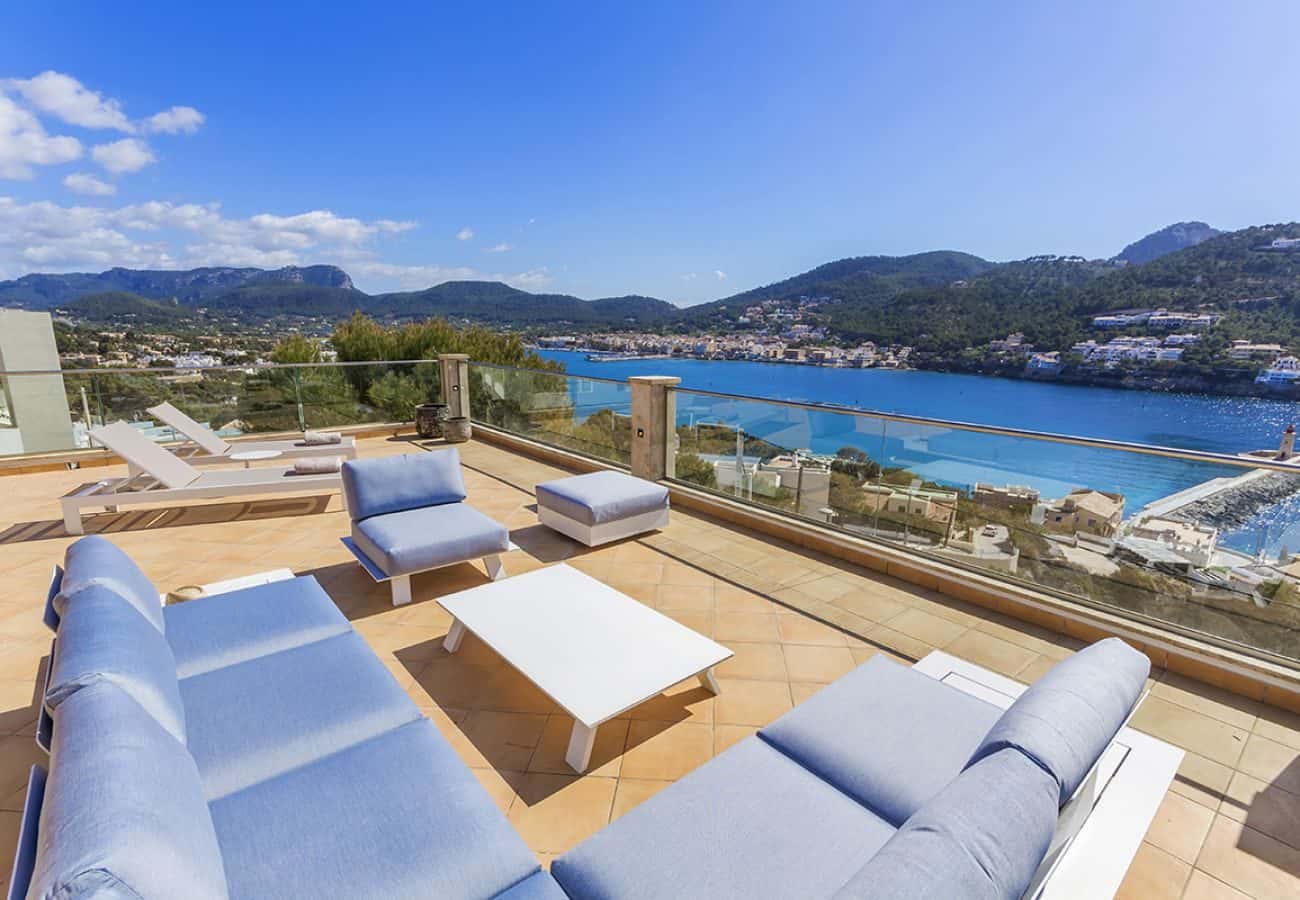
Villa Views Port Andratx
near Andratx (West)
- 7 guests
- 4 bedrooms
- 3 bathrooms
Registration no.: ETV/9286
per night
€1,176.47 – €1,848.74
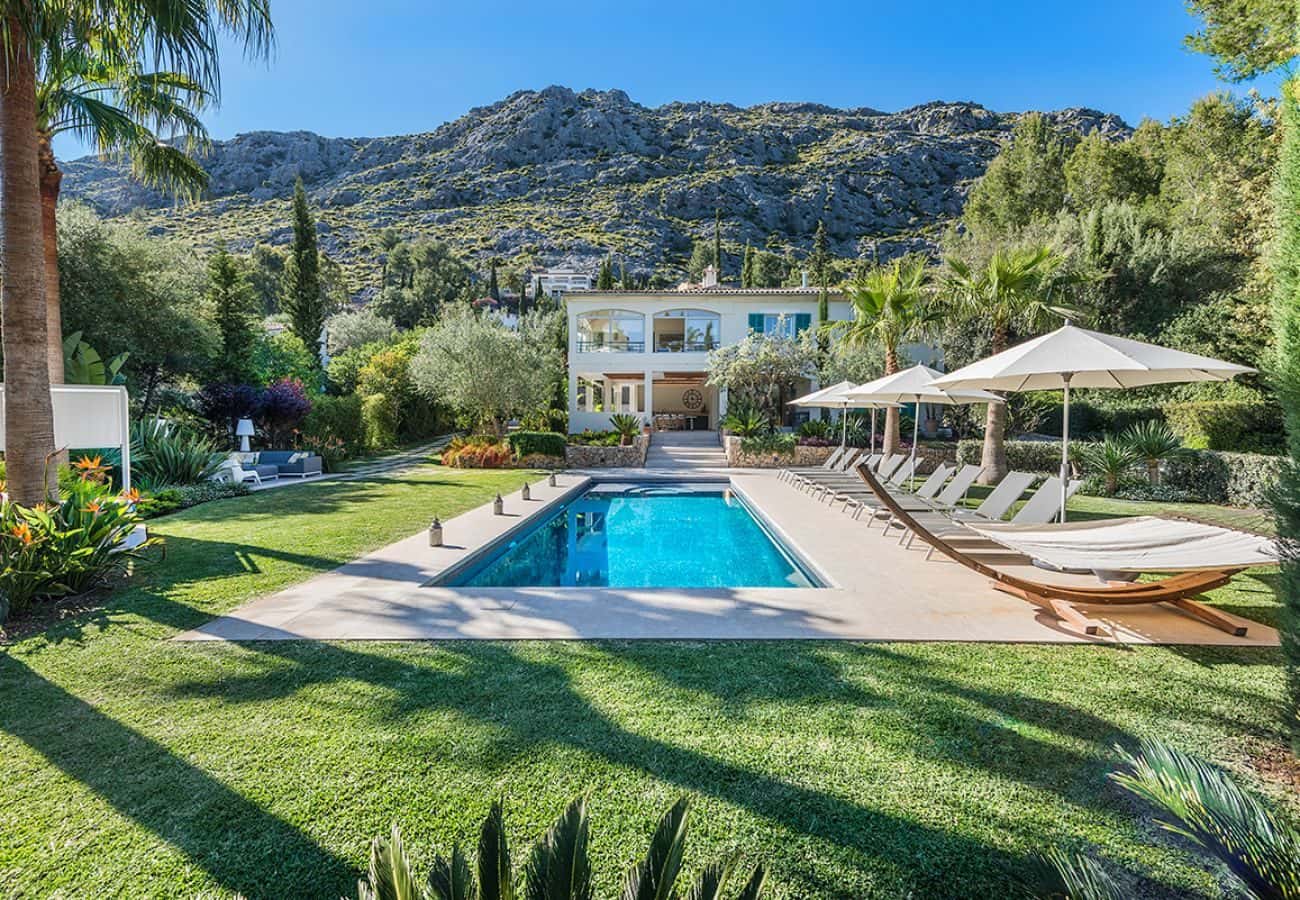
Villa Longa
near Pollença (North)
- 10 guests
- 5 bedrooms
- 5 bathrooms
Registration no.: ETV/312
per night
€1,310.93 – €1,899.16
There are currently no holiday homes listed here for Palma.
Palma at a glance
Weather

23.5 °C
Sunny
Hourly forecast

16 °C
12%

16.6 °C
21%

17.9 °C
19%
17.1 °C
22%
17.4 °C
22%
18.7 °C
18%
18.7 °C
16%

20.3 °C
14%

21.5 °C
9%
22.5 °C
6%
23.2 °C
9%
22.9 °C
8%
23.5 °C
2%
23.5 °C
1%
- Next hour

22.5 °C
3%
21.9 °C
1%
19.1 °C
2%

18.5 °C
4%
17 °C
3%
16.7 °C
12%
17.7 °C
8%
16.5 °C
4%
Forecast for the coming days
Sunday
Overcast07:1017:568%23.5°15.1°Monday
Overcast07:1117:5510%22.8°15.6°Tuesday
Sunny07:1217:549%22.9°15.4°Wednesday
Overcast07:1317:5212%23.2°16.6°Thursday
Sunny07:1417:5113%21.1°15.1°Friday
 Patchy rain nearby07:1517:5056%21.6°16.3°
Saturday
Sunny07:1617:499%21.9°15.4°Sunday
Sunny07:1717:4812%21.1°14.9°Monday
Patchy rain nearby07:1817:4619%19.2°14.3°Tuesday
Patchy rain nearby07:2017:4521%19.4°13.6°Wednesday
Partly cloudy07:2117:4417%18.8°13.6°Thursday
Patchy rain nearby07:2217:4326%18°13.5°Friday
Partly cloudy07:2317:4224%19.3°13.5°Saturday
Sunny07:2417:4157%20°13.5°
Updated: 10/25/26, 2:15 PM
Weather information without guarantee. For safety-critical decisions, consult official weather services.
Island-wide climate averages · October
Palma Airport reference station (AEMET, 1991-2020)
Sea temperature source: Puertos del Estado / Copernicus Marine Service · Bay of Palma · 2003-2022
Getting there at a glance
Palma airport
13.3 km by road · 25 min
Palma
- Hire car or taxi
- 25 min via Ma-15
- Scheduled bus
- 7 · 1 · 8 · 10 · 18 · 31
Bus lines
| Line | Route | Departures/day | First (Mon–Fri) | Last (Mon–Fri) |
|---|---|---|---|---|
| 7 | Son Gotleu - Son Serra - Sa Vileta / Son Vida | 8 | 07:57 | 19:26 |
| 1 | Portopí - Sindicat | 6 | 07:15 | 09:15 |
| 8 | Son Roca - Sindicat | 6 | 07:24 | 09:50 |
| 10 | Son Castelló - Sindicat | 6 | 07:30 | 14:48 |
| 18 | Son Riera - Sindicat | 6 | 10:00 | 12:05 |
| 31 | Sant Jordi - Sindicat | 6 | 07:25 | 09:25 |
| 46 | la Bonanova - Gènova - Sindicat (dreta) | 6 | 07:20 | 09:15 |
| 47 | Gènova - la Bonanova - Sindicat (esquerra) | 6 | 07:30 | 08:53 |
| 3 | Pont d'Inca / Joan Carles I | 2 | 09:22 | 09:25 |
| 5 | Es Rafal Nou - Pl. Progrés | 2 | 09:12 | 09:25 |
| 6 | Son Espases - Sindicat | 2 | 08:11 | 08:50 |
| 12 | Sa Garriga - Nou Llevant | 2 | 06:34 | 07:07 |
| 16 | Es Muntant - Mercat de Pere Garau | 2 | 07:38 | 09:21 |
| 24 | Antiga Presó - Nou Llevant | 2 | 07:52 | 08:02 |
| 32 | s'Arenal - Sindicat | 2 | 07:55 | 08:55 |
| 35 | Aquàrium - Pl. Reina | Catedral | 2 | 09:18 | 13:34 |
| 19 | UIB i Parc Bit - Porta des Camp | 1 | 08:39 | 08:39 |
From official GTFS timetable data (TIB/SFM), without real-time information. Figures count stops within 1 km in the limited timetable dataset, not trips per operating day.
Places nearby
Straight-line distance from the town centre
- Son Santjoan · 1.1 km
- Son Gual · 1.3 km
- Son Granada (Les Palmeres) · 2.6 km
- Son Serra Perera · 3.3 km
- Polígon Industrial de Son Castello · 3.4 km
- Son Rapinya (Sa Vileta) · 3.4 km
Nearby
Straight-line distance from the town centre
Beaches
- Can Curt · 0.5 km
- Can Pere Antoni · 1.0 km
- Ciutat Jardi · 1.2 km
- Calo Illa · 1.5 km
- Portixol · 1.9 km
- Cala Blanca II · 3.2 km
Sights
- La Mercè · 0.2 km
- Nueva Apostólica · 0.3 km
- Església dels Caputxins · 0.3 km
- Museu Fundación Juan March · 0.4 km
- Rei en Jaume I · 0.4 km
- Monument a Jaume I el Conqueridor / Monumento a Jaume I el Conquistador · 0.4 km
Weekly markets
- Weekly Market in Palma · Saturday · 08:00-14:00
Upcoming dates
- Aladdín
- Beauty and the Beast
- The Jazz Room
- Diana Navarro
- Sunday FITZ
- T4/2026 Screen-printed poster. Synthesis and planes
- T4/2026 Screen-printed poster. Synthesis and planes
- T4/2026 Screen-printed poster. Synthesis and planes
- Mallorca Gastronomy Awards Gala 2026
- Jammaleónica – Fright Night! at Escena 101
Map
Your finca in Palma de Mallorca as a home away from home
The bay in the southwest of Mallorca provides the city with its broad setting, but the history behind it goes much deeper: people settled here as early as Roman times, before the city was shaped by Muslim rule for centuries, until the Christian conquest succeeded on 31 December 1229 after fighting and a siege. This blend has created a place that does not hide its history in a museum, but tells it in the open streets. A holiday home in Palma de Mallorca gives you precisely this access: close enough to the old town to stroll through the lanes in the evening, yet far enough away to wake up peacefully in the morning. From here, a finca in Palma de Mallorca can serve equally well as a base for the city, the beach and the surrounding area.
After the Romans came changing rulers: Vandal, then Byzantine influence shaped the city before it grew into a centre of trade and culture under the name Medina Mayurqa. After the conquest in 1229, the old town continued to develop under Christian rule, layer by layer, and it is precisely these layers that still define the character of the cathedral, the royal palace and the narrow lanes today. Plaça d'Espanya also tells a piece of more recent history: its urbanisation began in 1905.
Anyone walking through the old town quickly notices: cars often do not save any time here, while the cathedral, Almudaina, Plaça de Cort and Passeig del Born are so close together that one continuous walk makes more sense than searching for several parking spaces. My tip: if you want to experience the old town at leisure, come early in the morning, before the narrow lanes fill up. Pushchairs can sometimes struggle on the historic paving and steps, all the more reason to slow the pace and enjoy the details that might otherwise get lost in the bustle. It is precisely this coexistence of history and everyday life that makes a finca in this city a starting point from which Palma can be discovered at its own rhythm.
Arrival and Getting Around the City
From Palma Airport, the Ma-19 leads directly into the city, a straightforward route with no detours that takes you from the baggage carousel to the centre in no time. Anyone looking to rent a finca in Palma and relying on a hire car has thus already sorted out the natural first leg of the journey. Within the old town itself, however, having your own car is hardly worthwhile: narrow streets and short distances make it more of a burden than a convenience. In this respect, Estació Intermodal plays an important role as a starting point for connections to other parts of Mallorca, and the historic train to Sóller also departs from the heart of the city – a good reason to leave the car behind and use the rail network instead when a day trip to the Sóller Valley beckons. This very combination of motorway, station and railway track within a small area makes a finca in Palma de Mallorca a practical base for both city and island.
The city beaches vary in how easily they can be reached, and it is worth taking a look before deciding between car and bus. Portixol is easily accessible from practically every direction, whether on foot, by bike, bus, taxi or car, and the cycle path there continues straight on to the beach at Ciutat Jardí – a pleasant option for a quiet afternoon without searching for parking. From the centre, bus routes 3, 20 and 46 take you to Cala Major. Routes 23 and 35 serve Carnatge; by car, you can also reach the area via the Ma-19. My tip: if you want to travel regularly between beach and city, take these routes on weekdays outside the afternoon rush hours – then the bus makes noticeably more relaxed progress than a car through the narrow lanes of the old town.
At Peñon, things are different: there is no well-known bus route to it, but the nearest stop is only half a kilometre away and directly beside a cycle path, making the place interesting for cyclists and walkers who are already out and about. For a tour of the old town itself, it is advisable to park the vehicle beforehand and explore the lanes on foot – the only notable exception is the area around Bellver, which lies away from and above the usual route and is better reached by car. Anyone who has tried this combination of short distances on foot, good bus connections to the beaches and a relaxed train ride to Sóller quickly notices how different arriving here is from the hectic commuting familiar from other holiday resorts.
Beaches between city bustle and quiet coves
Palma's coast is part of a larger, busy urban landscape—not a secluded natural beach, but swimming with views of promenades, houses and the bustle of the city. Anyone booking a holiday apartment in Palma de Mallorca has these beaches practically on their doorstep. Cala Major is, for example, a manageable roughly 200 metres long and was artificially replenished with sand towards the end of the 20th century, while the old rocks were preserved—the result now looks surprisingly natural. The sand slopes gently into the water and high waves are rare, making it a good choice for families; only at the height of summer does the available space for playing become noticeably scarce. Parking here is subject to a charge, which is hardly surprising for a city break.
Portixol has a very different rhythm: a narrow strip around 20 metres wide, where sand, gravel and pebbles mingle. Anyone expecting fine, powdery sand will be surprised here, but it is precisely this mix that gives the place its understated character between fishing harbour nostalgia and beach-bar flair. A cycle path continues from there to the beach at Ciutat Jardí, making it ideal for an afternoon on two wheels rather than taking the car. My tip: if you want to experience Portixol in peace, come early in the morning, before the cafés on the promenade put their chairs outside and the beach fills with sun-seekers.
For anyone who prefers things wilder and closer to nature, a detour to Carnatge is worthwhile: a natural swimming area without its own lifeguard post, which is nevertheless monitored by the city's beach rescue service, though the final descents to rocky slabs and small coves are uneven. You will look in vain for fine sand, plenty of shade or calm shallow water for toddlers, which is why it is not a good choice for families with small children or inexperienced swimmers—but it is appreciated by anyone wanting to slip into the water away from the rows of sun loungers. Those looking instead for a quieter stretch of coast shaped by local life will find it at Peñón, located near a bus stop and popular mainly with residents rather than large crowds of visitors. This makes it easy to mix a day between city beach and a quieter corner, just as a finca holiday in Palma allows as a starting point.
Historic heart around the cathedral and royal palace
La Seu Cathedral and the Palau de l'Almudaina, together with the narrow lanes around them, form Palma's historic heart, so close together that a walk between the two is almost unavoidable. In these lanes, centuries of architectural history are layered into the smallest of spaces, Moorish layouts alongside Gothic façades. Inside the cathedral, a lofty nave awaits you, its large rose window casting the incoming light in colourful patterns onto the stone, a sight that loses none of its impact even after repeated visits. If you wish, you can climb numerous steps and narrow spiral staircases on the available roof tours and view the city from an entirely different perspective.
A little outside the compact old-town route lies Castell de Bellver, a circular structure that makes clever use of its elevated position: from up here, the city, harbour and bay stretch out before you like a map. The walk up is worthwhile for the architecture alone, which stands out pleasantly from the cathedral's Gothic lines and offers a calmer contrast. My tip: go up in the late afternoon, when the largest visitor groups have left the old town and the light over the bay grows warmer. Those more interested in city life than views will find no single landmark in Santa Catalina, but rather an entire neighbourhood to wander through, where history reveals itself more in buildings and streetscapes than in one individual attraction.
At Plaça d'Espanya, the equestrian monument Rei en Jaume I offers a smaller but meaningful destination: a single work of art in the public urban space that commemorates the conquest of 1229 and thus serves as a historical signpost to the city's larger buildings. From there, the cathedral and Palau de l'Almudaina can be reached on foot in a short time, making the monument a good starting point for an initial walk. No special hiking equipment is needed for any of these stops; the route remains urban and easy to walk throughout. After a day among rose-window light, circular walls and shady lanes, you will look forward to the peace and quiet of your finca, where all these impressions can truly settle in.
Markets, Shops and Everyday Shopping
Everyday provisions in Palma are not a matter of season. Supermarkets, grocery stores, bakeries, hairdressers, beauty businesses, fashion retailers, cafés, restaurants and bars are strongly represented and cater not only to tourist needs, but also to residents' everyday needs. You notice it in the little things: the baker around the corner, the kiosk with the newspaper, the hairdresser who has been on the same street corner for years. The best-known shopping thoroughfare is in the historic centre, on Passeig del Born, where shop displays and a leisurely strolling pace meet.
Two permanent market halls shape the city's shopping life: Mercat de l'Olivar and Mercat de Santa Catalina. Olivar is considered Palma's largest food market hall, a permanent institution that has long been used for shopping not only by visitors, but also by residents themselves. Between fish displays, fruit stalls and the smell of freshly baked bread, it is easy to get a sense of the city's rhythm. My tip: If you want to experience the halls without the crowds, it is best to come by on a weekday morning, when locals are doing their weekly shopping and the stalls are still well stocked.
Those who prefer things quieter and more mindful will find an alternative to the traditional market halls in the weekly market for organic products. It sees itself as a dedicated date for organic goods, not as a replacement for daily shopping in the large halls, but as a small institution in its own right, with its own character. For anyone wishing to cook for themselves during their stay, this is a lovely opportunity to buy seasonal, organically produced ingredients directly. In this way, everyday life in the city is combined with a piece of lived market culture that can be pleasantly incorporated into your own finca holiday.
Who Palma is really suited for
City travellers, couples and families who enjoy alternating between culture, the beach and restaurant visits rather than staying in the same spot all day are in exactly the right place here. Those looking for a secluded house in a rural setting or expecting a truly silent winter are more likely to find that in other parts of the island – a finca in Palma de Mallorca is then the wrong address. With a pushchair, a little patience is worthwhile: cobblestones, steps and the narrow lanes of the old town can become tiring, especially when several sights are on the itinerary in one afternoon.
For families with small children, it is worth taking a close look at the individual beaches, as their suitability differs noticeably. Cala Major slopes gently into the water, high waves are rare, although the play area can become cramped in places at the height of summer. At Peñon, the shallow entry and low wave action provide good conditions for families with children. Carnatge is quite different: it lacks fine sand, significant shade, lifeguard supervision and calm shallow water, which is why it is not a good choice for uncertain swimmers and anyone expecting a sandy entry. Families are therefore better off planning their day at Peñon or Cala Major rather than at Carnatge.
There are also clear differences for children when it comes to the sights. The equestrian monument, with its clear, easily understood subject, is well suited to young visitors, and no special hiking equipment is needed for a detour. Those considering a cathedral roof tour with children, on the other hand, should allow for the many steps and narrow spiral staircases – not every child will feel like it. My tip: combine a quiet morning at Peñon with a short afternoon visit to the equestrian monument, leaving time for an ice cream before little legs get tired. It is precisely for such varied days between beach and city that a holiday home as a base is worthwhile, allowing short journeys in both directions.
Practicalities for everyday life and getting there
A simple rule applies in the old town: park your vehicle before setting off on a walk and do the rest on foot. Short distances and narrow streets mean that a car is more of a burden than a help there. One exception is Castell de Bellver, which lies away from and above the usual route. This separate, elevated location makes it more sensible to plan a dedicated stop with a short drive than to spontaneously incorporate the castle into a walk through the old town.
At Cala Major, which is a manageable 200 metres long, paid parking applies. Those who prefer to get around on foot can manage everyday life in the central districts of the old town well without their own car, but must reckon with cobblestones, steps and narrow lanes that can be tiring with a pram. My tip: if you are travelling with a child, allow a little more time and choose routes carefully rather than hoping for a brisk walk.
The city's rhythm is sustained even outside the season by working people, students, commerce and services, which is why there is still life in the streets here even in winter. Those seeking peace and quiet, a secluded house or a rural setting instead are more likely to find it in other parts of the island than in the centre. The appeal of staying here lies precisely between these two sides: the urban pulse and the opportunity to retreat peacefully in the evening.
Frequently asked questions
Do you need a car in Palma, or is the bus enough?
Within the old town, having your own car is usually of little use, as distances are short and streets are narrow, so walking often gets you to your destination faster than looking for parking. The centre itself is well served by city buses, and the city beaches can also be reached this way: Cala Major, for example, on lines 3, 20 and 46 from the centre, and Carnatge on lines 23 and 35. For trips into the surrounding area or to more distant beaches, however, a rental car can still be useful.
What is the fastest way to get from the airport to the city?
From the airport, the Ma-19 leads directly to Palma, a straightforward road route without detours through the hinterland. For onward travel into the interior of the island, Estació Intermodal is the key starting point: connections to other parts of Mallorca depart from there, and the historic railway to Sóller also begins right in the city area.
Is the old town easy to manage with a stroller?
Not without limitations. Historic cobblestones, steps, and the narrow lanes around the cathedral and the royal palace can be challenging with a stroller, especially in the dense maze of lanes in the historic center. Those traveling with small children are better off planning breaks and choosing individual stages carefully rather than attempting the entire tour in one go.
Which beaches are well suited for families with small children?
Cala Major is well suited for families thanks to its gently sloping sandy beach and rarely high waves; only at the height of summer does the play area become cramped. Peñon is also well suited for families with children, with its shallow entry and low wave action. Carnatge, on the other hand, is not a good choice for children or inexperienced swimmers, as it lacks fine sand, significant shade, and calm shallow water.
Where can one shop fresh and local in Palma?
The Mercat de l'Olivar is the city’s largest food market hall and, like the Mercat de Santa Catalina, is also used by residents themselves, not just by visitors. Those specifically looking for organic products will find a dedicated weekly market with organic goods, but it is not a substitute for the permanent market halls.
What should one keep in mind when visiting the cathedral?
Inside, a high nave, a large rose window and coloured stained-glass light await you—an impressive contrast to the narrow lanes all around. Anyone taking one of the offered roof tours should be aware that it involves negotiating numerous steps and narrow spiral staircases, which may be relevant for people with limited fitness or claustrophobia.